
As we dive into 2025, small business owners are constantly seeking the most effective tools to help them manage their finances. Managing accounts can feel overwhelming, particularly for small businesses juggling numerous financial data, invoices, and payroll. Luckily, advancements in technology have produced a variety of accounting tools tailored to make this task simpler and more efficient. In this guide, we’ll explore the best tools available for small business accounting in 2025 and explain how they can streamline your operations, improve accuracy, and save you time.
Why Accounting Tools Matter for Small Businesses
Effective accounting is the backbone of any successful business. For small businesses, the stakes can be even higher. Mismanagement of finances can lead to serious consequences, including cash flow issues, tax problems, and even business failure. Here are some reasons why investing in the right accounting tools is crucial:
-
Accuracy: Mistakes in accounting can have costly repercussions. Accounting tools help reduce human error, ensuring that your financial records are precise.
-
Time-Saving: Automating routine tasks such as invoicing, expense tracking, and payroll can free up valuable time that you can use to focus on growing your business.
-
Insights: Good accounting tools provide insights and analytics that help in making informed business decisions. For instance, understanding your cash flow can help you plan for upcoming expenses or investments.
-
Tax Compliance: Keeping up with tax regulations is essential. A reliable accounting tool can ensure you stay compliant, saving you potential fines and penalties.
Top Accounting Tools for Small Businesses in 2025
Now that we understand the importance of accounting tools, let’s dive into some of the best tools available for small businesses in 2025.
1. QuickBooks Online
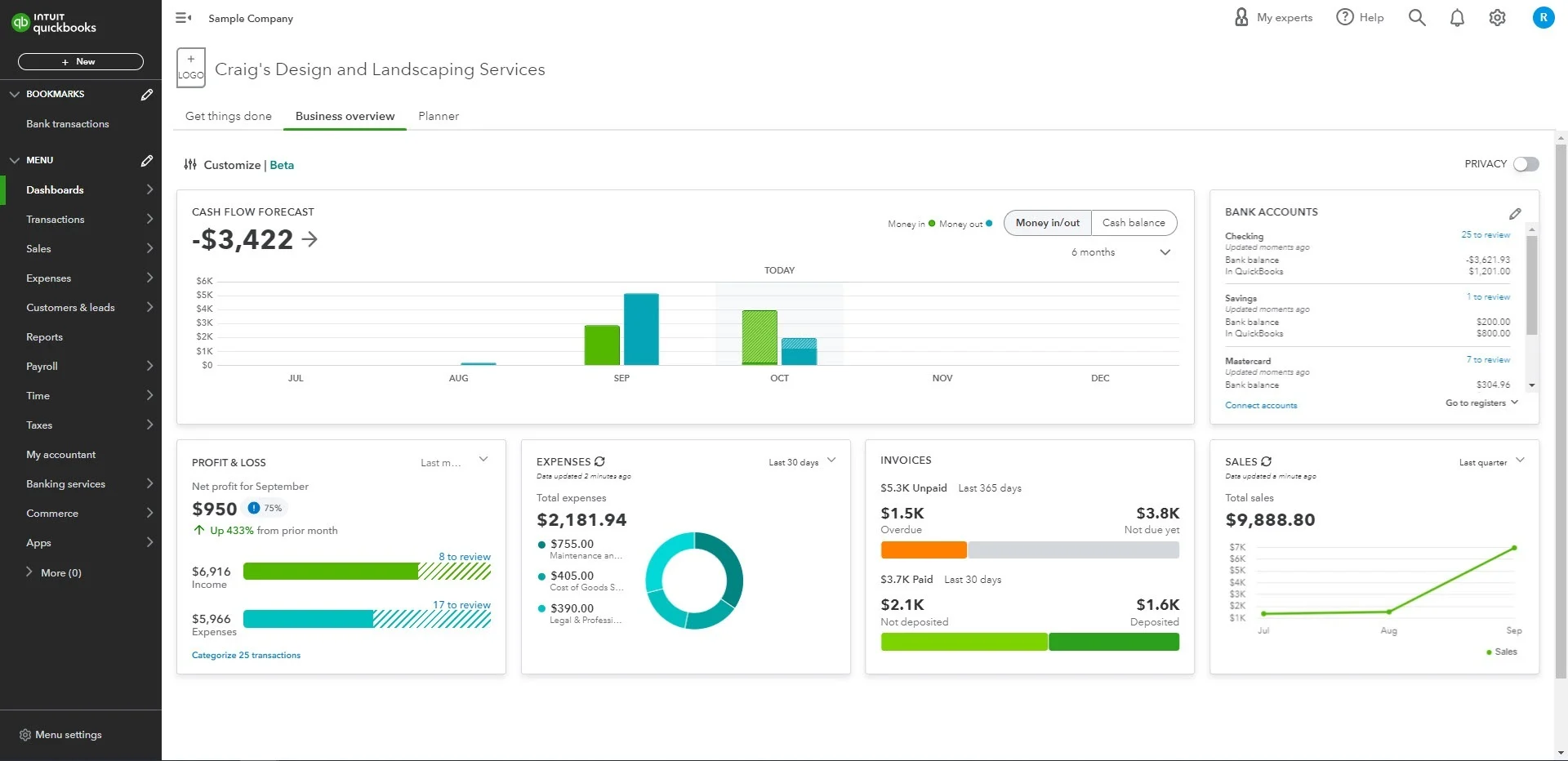
QuickBooks Online has been a leader in small business accounting for years, and it continues to be one of the best options in 2025. Its user-friendly interface and comprehensive features make it ideal for small businesses.
-
Features: Invoicing, expense tracking, payroll, tax calculations, and financial reporting. Integration with numerous third-party apps adds to its versatility.
-
Why Use It?: QuickBooks Online offers robust reporting capabilities, allowing you to analyze your financial health clearly. The cloud-based service ensures you can access your financial data from anywhere and at any time.
2. Xero
Xero is another excellent option for small business accounting. It has gained traction among entrepreneurs and accountants for its intuitive design and powerful features.
-
Features: Bank reconciliation, invoicing, payroll, project tracking, and customizable reports. Its integration with thousands of third-party applications offers flexibility.
-
Why Use It?: Xero’s collaboration features allow multiple users to access the same account, making it easier for teams to collaborate on financial management.
3. FreshBooks
Specifically designed for service-based businesses, FreshBooks focuses on invoice management and expense tracking. It’s a smart choice if you rely heavily on client billing and project management.
-
Features: Time tracking, invoicing, expense automation, and detailed reporting. The app also includes client management features, making communication straightforward.
-
Why Use It?: FreshBooks places an emphasis on simplicity and ease of use. If your business primarily involves billable hours, it’s an ideal option.
4. Wave Accounting
For small businesses on a budget, Wave Accounting is a standout choice. It offers robust accounting features at no cost.
-
Features: Invoicing, expense tracking, and basic reporting are included for free. Additional paid services like payroll and payment processing are available.
-
Why Use It?: Wave’s user-friendly interface and financial tools make it perfect for startups and small businesses looking to manage their finances without breaking the bank.
5. Zoho Books
Zoho Books is part of the larger Zoho suite of business applications, which makes it particularly appealing for businesses already using Zoho’s services.
-
Features: Automated workflows, invoicing, expense tracking, and project management. Moreover, it includes inventory management capabilities.
-
Why Use It?: Zoho Books’ seamless integration with other Zoho applications, such as CRM and email marketing, allows for a more holistic approach to business management.

- Overcome negative thought patterns, reduce stress, and live a worry-free life
- Overthinking is the biggest cause of unhappiness
- Don't get stuck in a never-ending thought loop
- Stay present and keep your mind off things that don't matter, and never will
- Break free of your self-imposed mental prison
6. Sage Business Cloud Accounting
Sage is well-known for its accounting solutions, and its Business Cloud Accounting software targets small businesses effectively.
-
Features: Invoicing, expense tracking, cash flow management, and bank reconciliation are included. The software also offers reporting options for analysis.
-
Why Use It?: Sage’s emphasis on traditional accounting practices makes it a great choice for businesses that want a familiar and reliable platform.
7. NetSuite ERP
As your small business starts growing, you may find that you need more advanced tools. NetSuite’s ERP (Enterprise Resource Planning) software is an excellent fit for growing small businesses.
-
Features: Inventory management, order processing, financial management, and reporting tools. Its scalability makes it suitable for companies anticipating growth.
-
Why Use It?: While it may require a larger initial investment, NetSuite provides a comprehensive suite of tools that integrate all aspects of business management.
8. Mint
For a more personal finance approach, Mint offers basic accounting features that can be useful for freelancers and sole proprietors.
-
Features: Budget tracking, expense categorization, and bill reminders. Mint also provides credit score monitoring.
-
Why Use It?: Mint is a great option for individuals or smaller businesses needing to keep track of personal and business finances in one place.
9. GnuCash
If you’re interested in a free, open-source accounting solution, GnuCash is worth considering.
-
Features: Double-entry accounting, customizable reports, and transaction tracking. While it may lack some modern UI appeal, it is robust in functionality.
-
Why Use It?: GnuCash is ideal for those who are proficient in accounting principles and want more control over their finances.
10. Bill.com
While primarily an accounts payable and receivable solution, Bill.com integrates beautifully with other accounting tools to streamline financial processes further.
-
Features: Invoice generation, approval workflows, and payment tracking. It also offers automated payment processing for vendors.
-
Why Use It?: If you have significant accounts payable and receivable operations, Bill.com can enhance efficiency and accuracy, minimizing errors in invoicing.
Features to Look for in Accounting Tools
When evaluating which accounting tool is right for your small business, consider the following features:
-
Ease of Use: A user-friendly interface decreases the learning curve and makes it easier for you and your team to adopt the tool.
-
Integration Capabilities: Look for tools that easily integrate with other software solutions you may already be using, such as CRM or payment processors.
-
Mobile Accessibility: Cloud-based software allows you to access your accounts from anywhere. A mobile app can be advantageous for on-the-go business owners.
-
Customization Options: The ability to tailor reports, invoices, and workflows to fit your business needs can provide greater flexibility.
-
Customer Support: Reliable customer support is essential, especially in the early days of implementation.
-
Scalability: As your business grows, so will your need for more comprehensive features. Choose software that can evolve with your business.
Conclusion
In 2025, the accounting landscape for small businesses continues to evolve with innovative tools designed to streamline financial management. As we’ve explored, options like QuickBooks, Xero, FreshBooks, and others provide robust features tailored to the unique needs of small business owners.
When selecting accounting tools, consider your business’s specific needs, budget, and growth plans. The right tools can save you time, improve accuracy, and give you valuable insights, allowing you to focus on what you do best—growing your business.
Investing time in choosing the right accounting software not only aids in financial management but also empowers you to make informed decisions that will positively impact your business’s future. Start your journey toward better financial management today, and watch your small business thrive!
Now that you’re equipped with the knowledge of accounting tools for your small business in 2025, it’s time to take action. Explore your options, take advantage of free trials, and choose a solution that aligns with your goals. Your business’s financial health awaits!


