
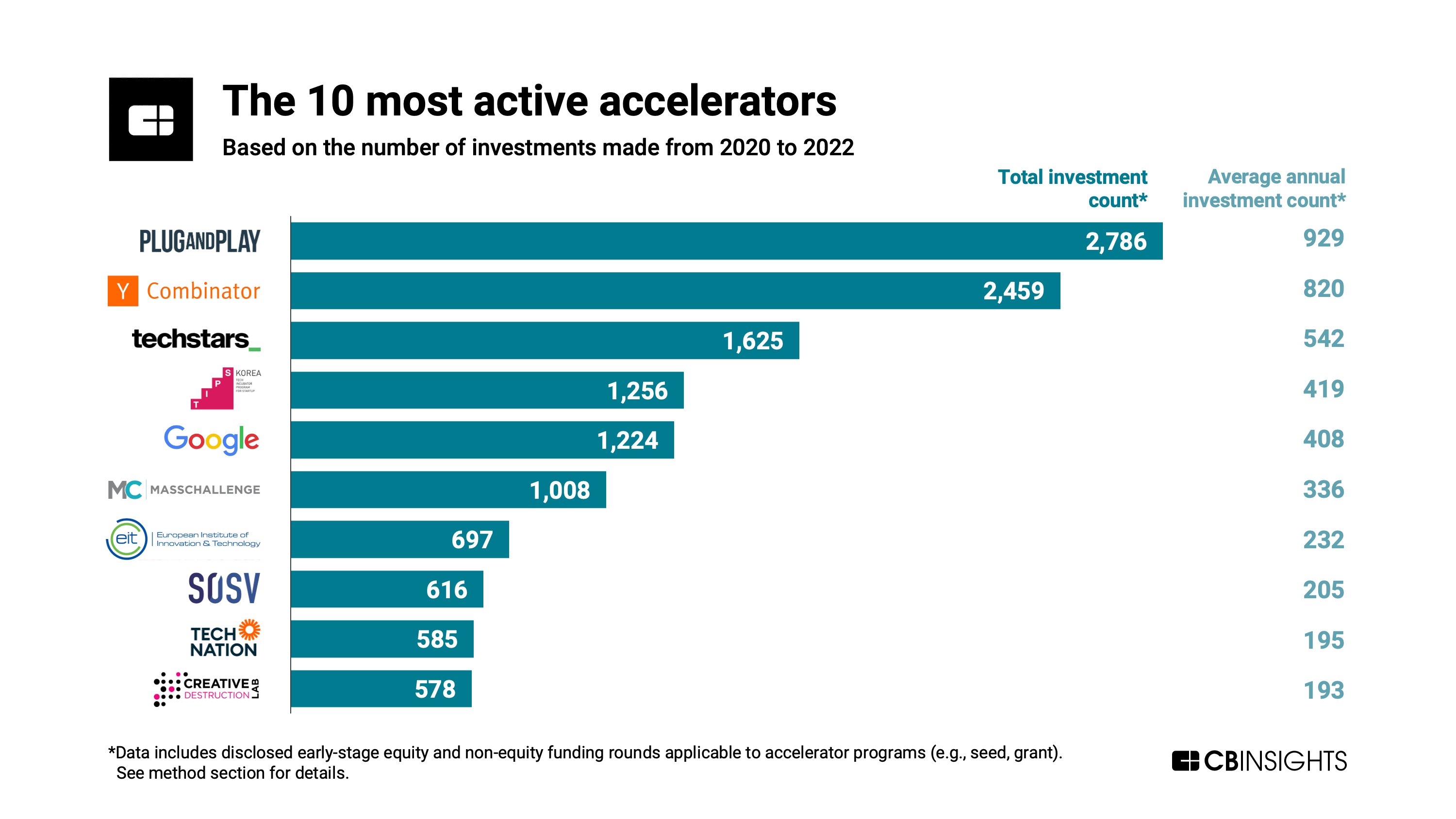
In an era where innovation is at the forefront of economic growth, the demand for accelerators and incubators has surged dramatically. Startups, as the lifeblood of any thriving economy, often need the right support to transform their visionary ideas into successful businesses. In this landscape, accelerators and incubators serve as catalysts, helping entrepreneurs navigate the complex journey from concept to launch. As we look ahead to 2025, it’s crucial to identify the top programs that not only provide funding but also impart knowledge, mentorship, and resources vital for success. So, if you’re an aspiring entrepreneur or a startup enthusiast, you might be asking: what are the top accelerators and incubators for startups in 2025? In this article, we’ll explore the leading programs that promise to shape the startup ecosystem over the next few years.
Why Accelerators and Incubators Matter
Before diving into the specifics, let’s clarify what accelerators and incubators are. Although the terms are often used interchangeably, they have distinct functions.
-
Accelerators typically have a fixed-term, cohort-based program that includes mentorship and investment from venture capitalists. They are designed to fast-track startups through initial growth stages, usually taking equity in return for their funding and support.
-
Incubators, on the other hand, may offer a longer-term support structure without requiring equity exchange. They focus on nurturing nascent ideas by providing resources like office space, administrative support, and access to research facilities.
Both types of programs are invaluable in helping startups build their business models, refine their products, and connect with industry experts.
The Evolving Landscape of Startup Support
As we gear up for 2025, the landscape for accelerators and incubators is evolving. The increasing reliance on technology, coupled with a push for sustainable practices, will influence the focus areas of these programs. Here are some trends to watch:
-
Tech and Innovation Focus: With technology continuing to reshape industries, we expect more accelerators to concentrate on sectors like Artificial Intelligence (AI), Blockchain, and FinTech.
-
Sustainability and Social Impact: Many startups are now founded on principles of social entrepreneurship or sustainability. It’s likely that incubators and accelerators will adapt to promote green technologies and socially responsible business models.
-
Diversity and Inclusion: There’s a growing momentum for fostering diversity in the startup community. Programs that prioritize women and minority entrepreneurs are likely to be at the forefront.
The Top Accelerators and Incubators for 2025
Now that we’ve set the context, let’s explore the prominent accelerators and incubators expected to lead the charge in 2025.
1. Y Combinator
Location: Silicon Valley, California
Focus: All industries
Y Combinator has long been regarded as one of the most elite startup accelerators globally. With a robust track record, this program has propelled companies like Dropbox, Airbnb, and Reddit to success. In 2025, Y Combinator is expected to continue its legacy, offering mentorship, seed funding, and access to a vast network of alumni and investors. The program runs twice a year and provides startups with intensive guidance over a three-month period.
2. Techstars
Location: Various locations around the world
Focus: All industries, with specific programs for social impact and women-led startups
Techstars is renowned for its wide-ranging mentorship programs and strong networking opportunities. With over 45 accelerator programs worldwide, Techstars aims to empower entrepreneurs in various sectors. Its mentorship-driven model will remain relevant in 2025, catering to startups aiming for rapid growth and scalability.
3. 500 Startups
Location: San Francisco, California, and multiple locations globally
Focus: FinTech, health, and diverse industries
500 Startups prides itself on providing vast resources and guidance to early-stage companies. Known for its global footprint and community-driven approach, it has graduated over 2,000 startups through its program. With a keen focus on investing in diverse founders and addressing global challenges, 500 Startups is anticipated to play a pivotal role in shaping startups in 2025.
4. Seedcamp
Location: London, United Kingdom
Focus: Tech startups
Seedcamp is well-known for sourcing early-stage European tech startups. Their program combines seed funding with an expansive network of mentors and investors. As Europe becomes a rising hub for technology innovation, Seedcamp is likely to continue gaining traction among emerging entrepreneurs in 2025.

- Overcome negative thought patterns, reduce stress, and live a worry-free life
- Overthinking is the biggest cause of unhappiness
- Don't get stuck in a never-ending thought loop
- Stay present and keep your mind off things that don't matter, and never will
- Break free of your self-imposed mental prison
5. MassChallenge
Location: Boston, Massachusetts, and other global locations
Focus: All industries, with a focus on social impact and sustainability
MassChallenge operates on a non-equity model, providing startups with resources and mentorship without taking a stake in the business. Its focus on social entrepreneurship and sustainable business practices makes it a favorite among mission-driven startups. By 2025, MassChallenge is expected to continue its growth trajectory, empowering entrepreneurs with tools necessary for social change.
6. AngelPad
Location: San Francisco, California, and New York City
Focus: Tech startups
A lesser-known but highly respected program, AngelPad focuses on helping startups achieve product-market fit. The accelerator has a selective admission process, ensuring that only the most promising startups enter its ranks. With its hands-on approach and stellar mentorship, AngelPad is poised to remain a key player in the startup environment as we move into 2025.
7. Station Houston (now part of The Ion)
Location: Houston, Texas
Focus: Energy, Health, and Tech
In a city known for its oil and gas industry, Station Houston has shifted its focus toward innovation in energy, health, and technology. As part of The Ion – a hub for Houston entrepreneurs – this incubator will likely expand its offerings and mentor the next generation of startups, especially in sectors tied to energy sustainability.
8. StartX
Location: Stanford, California
Focus: Tech startups affiliated with Stanford University
StartX brings together founders who have strong ties to Stanford University, offering them access to invaluable resources, including mentorship and networking opportunities. Given its unique connection to one of the world’s top educational institutions, StartX is set to maintain its status as a leading incubator for startups in tech across various fields by 2025.
9. IndieBio
Location: San Francisco, California
Focus: Life sciences & biotechnology
IndieBio specializes in biotechnology startups, providing funding and lab space to budding scientists and entrepreneurs. Given the ongoing breakthroughs in health and biology, IndieBio is well-positioned to foster innovation in 2025, helping startups develop groundbreaking solutions for healthcare and beyond.
10. The Venture Reality Fund’s VR/AR Accelerator
Location: San Francisco, California
Focus: Virtual Reality and Augmented Reality startups
The demand for virtual and augmented reality technology is on the rise, and so is support for startups within this sector. The Venture Reality Fund’s accelerator aims to provide funding, mentorship, and market insights to VR and AR companies. As industries increasingly adopt immersive technologies, this program is likely to play a pivotal role in nurturing leading startups in 2025.
What to Look for in an Accelerator or Incubator
When choosing an accelerator or incubator, keep an eye out for several key factors:
-
Mentorship Quality: Investigate the backgrounds of mentors and their industry experience. A strong mentor can guide you through the ups and downs of starting a business.
-
Funding Options: Understand the funding terms. Some programs offer equity investments, while others work on non-equity models. Assess what aligns best with your startup’s needs.
-
Location: Proximity can be an advantage. Being in a hub for your specific industry can provide better networking opportunities.
-
Alumni Network: A strong alumni network can offer continuing support and networking opportunities even after graduation from the program.
-
Focus Area: Choose a program that aligns with your startup’s focus. Specialized programs may provide tailored resources that are especially helpful.
Final Thoughts
The startup ecosystem is continuously evolving, and selecting the right accelerator or incubator can be the difference between thriving and simply surviving. As we move closer to 2025, a diverse range of programs awaits aspiring entrepreneurs, each offering unique resources and insights tailored to the demands of their respective industries. Whether you’re looking for robust mentorship, funding, or specialized guidance, these top accelerators and incubators will undoubtedly shape the future of startups. The journey of entrepreneurship is complex, but with the right support system in place, your startup journey can be transformed into a success story that inspires others. Happy networking and best of luck as you embark on your entrepreneurial adventure!


