
The gig economy has transformed the way we work, offering flexibility, autonomy, and opportunities for individuals across the globe. As we move closer to 2025, many are curious about the future of gig economy jobs. What changes can freelancers and businesses anticipate? How will technology, regulations, and societal shifts shape this ever-evolving job landscape? In this article, we’ll dive into the trends, predictions, and innovations that will define the gig economy over the next few years, creating a roadmap for both gig workers and businesses seeking to navigate this dynamic environment.
Understanding the Gig Economy Today
Before we explore the future, it’s essential to understand the gig economy’s current landscape. Defined as a labor market characterized by short-term contracts and freelance work rather than permanent jobs, the gig economy encompasses a wide range of industries, from transportation and hospitality to digital marketing and software development. Freelancers and independent contractors thrive on platforms like Uber, Upwork, and TaskRabbit, capitalizing on the demand for flexible work arrangements.
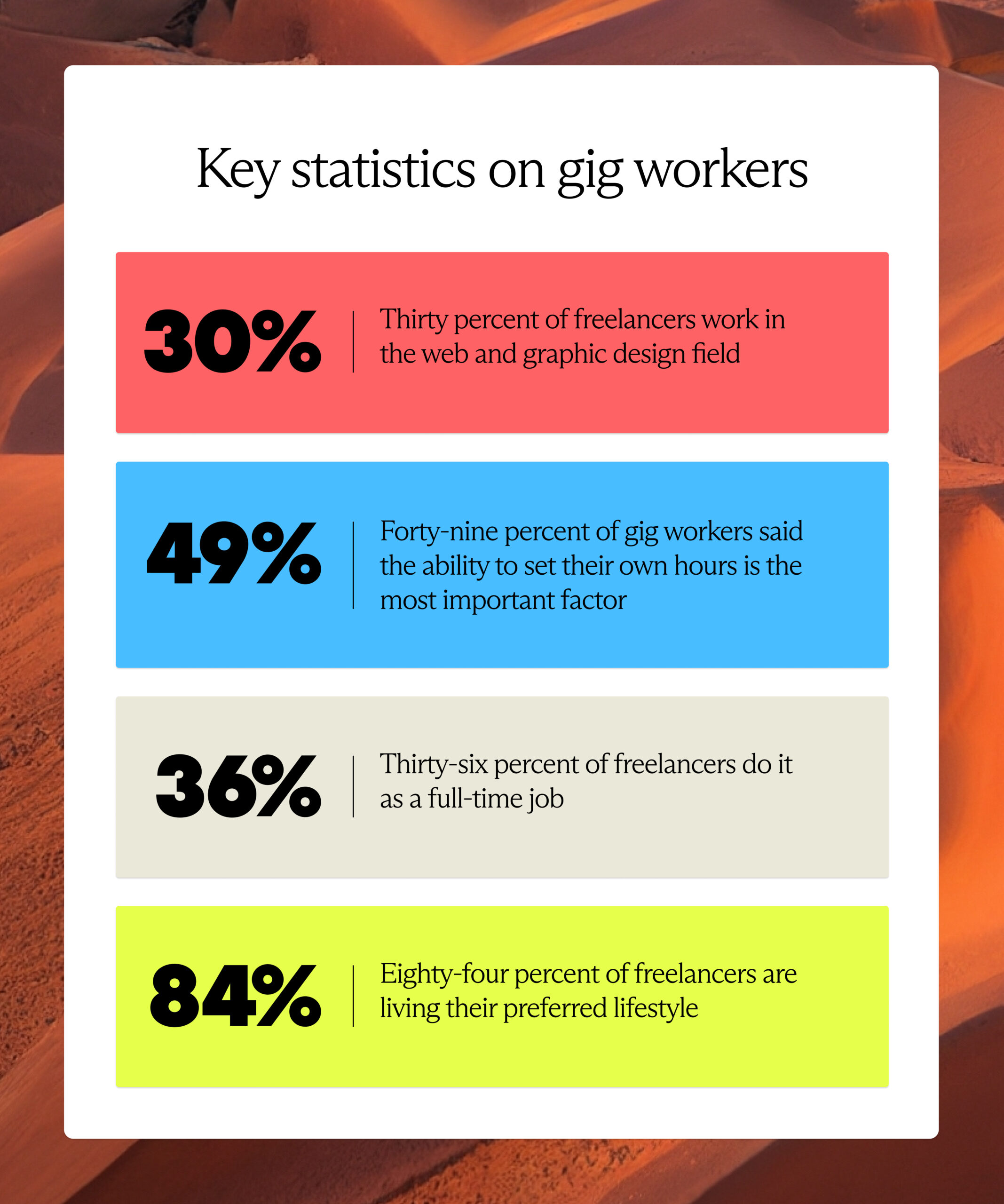
According to a recent report from McKinsey, approximately 36% of American workers engage in gig work, which includes both primary and supplementary income sources. As this segment of the workforce grows, so does its importance to the broader economy. Businesses increasingly rely on gig workers to fulfill specific roles, balance workload fluctuations, and access niche skills that may not be available in-house.
1. The Impact of Technological Advancements
In 2025, technology will continue to shape the gig economy in profound ways. The rise of artificial intelligence (AI) and machine learning is already altering various sectors, and this trend will only accelerate. Freelancers must adapt to these innovations to stay competitive.
a. Automation and AI Integration
As tasks become increasingly automated, gig workers will likely find themselves either aided by AI tools or displaced by them. For instance, content creators can leverage AI writing assistants to enhance productivity, while graphic designers may use AI-driven design platforms that streamline their workflow. This symbiotic relationship between technology and human talent will require freelancers to be tech-savvy and embrace tools that enhance their skills rather than replace them.
b. Remote Work Technologies
The COVID-19 pandemic accelerated the adoption of remote work technologies, and this trend is here to stay. By 2025, we can expect even more sophisticated platforms that facilitate collaboration, communication, and project management. Tools like virtual reality (VR) meetings and enhanced project management software will enable gig workers to collaborate seamlessly, regardless of location. Freelancers who can navigate these tools will find themselves at a distinct advantage.
2. Demographic Shifts and Workforce Diversity
The gig economy is becoming increasingly diverse, reflecting broader demographic trends in the U.S. workforce. By 2025, expect to see a more varied pool of gig workers as different age groups and backgrounds enter the market.
a. Generational Changes
While millennials and Gen Z have driven the gig economy’s growth, baby boomers are also joining the ranks. Many retirees are seeking part-time gigs to supplement their income while enjoying the flexibility that gig work offers. This influx will diversify the skill sets available in the gig economy and demand a wider range of services.
b. Emphasis on Inclusivity
As awareness of social issues increases, businesses are placing greater importance on diversity and inclusivity. This focus will also extend to gig workers. In 2025, expect companies to prioritize diverse gig teams, leading to a broader representation of voices and experiences. Freelancers who champion diversity and inclusivity in their work will be better positioned to attract clients seeking to align with these values.
3. Shifting Attitudes Towards Gig Work
The perception of gig work has evolved over the years. Once viewed as a temporary or suboptimal job arrangement, gig work is increasingly seen as a legitimate career path. By 2025, we can expect this trend to continue.
a. Professionalization of Gig Work
As gig work becomes a more recognized and respected form of employment, we will see a push towards standardizing rates, contracts, and benefits. Organizations advocating for gig workers’ rights will likely emerge, pushing for better pay, health benefits, and job security. Businesses that proactively adapt to these changes, offering fair compensation and benefits, will attract top talent and improve worker satisfaction.

- Overcome negative thought patterns, reduce stress, and live a worry-free life
- Overthinking is the biggest cause of unhappiness
- Don't get stuck in a never-ending thought loop
- Stay present and keep your mind off things that don't matter, and never will
- Break free of your self-imposed mental prison
b. Gig Work as a Career Choice
With increased legitimacy comes a growing acceptance of gig work as a full-time career option. Many individuals may transition from traditional 9-to-5 jobs into full-fledged freelance careers, embracing the hustle and maximizing their earning potential. By 2025, we can expect to see more structured career paths, online courses, and mentorship programs dedicated to helping freelancers thrive in this evolving market.
4. Regulatory Developments and Legal Frameworks
As the gig economy continues to grow, governments worldwide are recognizing the need for regulations that protect gig workers’ rights. By 2025, we expect to see significant changes in the legal landscape surrounding gig work.
a. Potential Legal Reforms
In the U.S., various states and localities have begun passing legislation aimed at improving conditions for gig workers, including minimum wage requirements, unemployment benefits, and access to healthcare. As these initiatives continue to evolve, gig workers can expect clearer guidelines and protections by 2025. This shift will not only provide security for freelancers but will also hold businesses accountable for fair treatment.
b. Taxation and Benefits
With more individuals participating in the gig economy, tax regulations will likely evolve. Tax agencies may develop more streamlined processes to accommodate gig workers’ unique earning structures. For businesses, this means navigating new obligations related to the hiring and management of gig workers, ensuring compliance with relevant tax laws while providing necessary benefits.
5. Strategies for Success in the Future Gig Economy
As we approach 2025, freelancers and businesses should consider adapting their strategies to thrive in the evolving gig economy. Here are a few key strategies to keep in mind.
a. Build a Strong Personal Brand
For freelancers, establishing a solid personal brand will be essential to stand out in a competitive marketplace. This includes optimizing social media profiles, maintaining a professional online portfolio, and consistently producing high-quality work that showcases unique skills and expertise.
b. Embrace Continuous Learning
With the speed of technological advancements, freelancers must commit to lifelong learning. This means attending workshops, taking online courses, and staying informed about industry shifts. Those who adapt to new skills and technologies will be better positioned to excel in the gig economy.
c. Foster Relationships and Networking
Building strong connections within the gig community can yield valuable opportunities. Attend networking events, participate in online forums, and collaborate with other freelancers to expand your network. For businesses, cultivating relationships with dependable gig workers will ensure high-quality work and reliability, fostering loyalty.
Conclusion: A Bright Future Ahead
The future of gig economy jobs in 2025 holds immense potential for both freelancers and businesses. With technological advancements, shifting demographics, evolving societal attitudes, and regulatory changes, the gig economy will continue to reshape the labor landscape. By adapting to these changes and embracing new opportunities, industry stakeholders can thrive in this exciting era of work.
For freelancers, the key to success will lie in embracing technology, nurturing their personal brand, and committing to continuous learning. Businesses, on the other hand, should focus on fostering inclusive work environments, developing strong relationships with gig workers, and staying ahead of regulatory developments.
As we forge ahead, it’s clear that the gig economy is here to stay—and professionals willing to innovate and adapt will find ample opportunities for growth and prosperity in the years to come. Whether you’re a freelancer looking to carve out your niche or a business seeking to enhance your workforce, understanding the trends and preparing for the future will undoubtedly position you for success in the evolving gig economy landscape. Happy gigging!


