
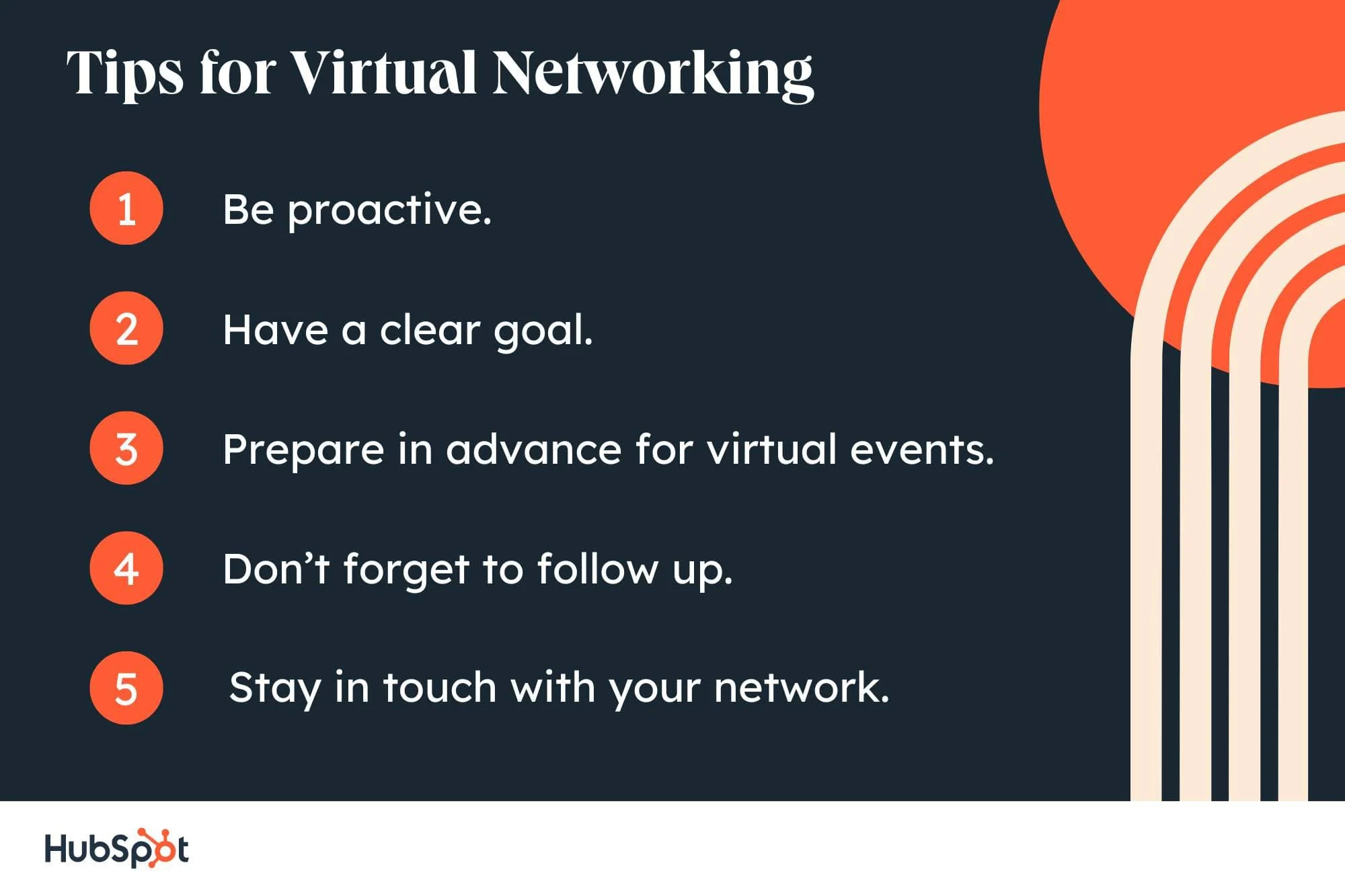
In today’s fast-paced digital landscape, networking has transitioned from traditional in-person interactions to more innovative virtual platforms. The rise of virtual events, online conferences, and digital networking platforms has made it easier than ever to connect with like-minded professionals, industry leaders, and potential collaborators. However, while the opportunities are plentiful, the approach to networking in a virtual world requires a different strategy than what we’ve traditionally known. So how can you effectively network in this new virtual realm? Let’s delve into actionable tips and insights that will boost your networking game, cultivate connections, and empower your professional journey.
Understanding the Virtual Networking Landscape
Before we dive into the strategies, it’s essential to understand the current landscape. The COVID-19 pandemic accelerated the shift to virtual engagements, and many organizations and individuals have embraced this change. From Zoom meetings and LinkedIn connections to virtual job fairs and online workshops, the digital world is brimming with possibilities.
Networking in a virtual environment presents unique advantages:
-
Accessibility: You can connect with individuals from around the globe without the restrictions of geography or travel costs.
-
Flexibility: Virtual events often offer more flexible schedules, allowing you to choose from a wider array of sessions or workshops.
-
Diverse Opportunities: The online world hosts a variety of networking opportunities that you might not come across in your local area.
However, it also presents challenges such as the lack of personal connection, distractions at home, and the difficulty of making meaningful impressions without face-to-face interactions.
Preparing for Virtual Networking
Before joining a webinar or virtual conference, preparation is key. Here are several steps to ensure you start on the right footing:
1. Define Your Networking Goals
What do you hope to achieve through networking? Are you looking for a mentor, seeking collaborators, or hoping to get job leads? Establishing clear objectives will help you stay focused during your networking efforts and evaluate your success.
2. Update Your Online Profiles
Ensure that your LinkedIn profile and other professional profiles reflect your current skills and aspirations. A well-crafted online presence can make you more approachable and attractive to potential connections.
3. Research Event Speakers and Attendees
If you’re attending a specific event, take the time to research the speakers and attendees. Familiarize yourself with their backgrounds, interests, and recent projects. This will help you build rapport and have meaningful conversations.
4. Prepare Your Introduction
Craft a brief introduction that outlines who you are, what you do, and what your goals are. This is your elevator pitch, and having it ready will help you convey your message clearly and confidently.
Strategies for Effective Virtual Networking
Once you’ve prepared for networking, it’s time to leverage strategies to maximize your connections. Here’s how to do it effectively:
1. Choose the Right Platforms
The first step in networking is selecting the right platforms. LinkedIn remains a powerful tool for professional networking, but other platforms such as Twitter, Facebook Groups, and industry-specific forums can also be beneficial. Explore events on platforms like Eventbrite or Meetup to discover relevant virtual gatherings.
2. Engage in Virtual Events
Participate actively in webinars, panels, and online conferences. Instead of sitting back as a passive attendee, engage with the content through Q&A sessions, participate in polls, and share your thoughts through chat features. If the event features breakout rooms, don’t hesitate to join discussions.
3. Utilize Social Media
Social media is a powerful networking tool. After participating in an event, follow speakers and attendees on LinkedIn or Twitter. Engage with their posts by liking, commenting, or sharing your insights to foster connection.
4. Follow Up
After any networking interaction, whether through a event or a social media exchange, make sure to follow up. Send a personalized message to express gratitude for the conversation and reiterate your interest in keeping in touch. This simple gesture can leave a lasting impression.
5. Leverage Group Chats
Join relevant group chats or forums to meet new people in your industry. Platforms like Slack, Discord, and LinkedIn Groups offer spaces for professionals to exchange ideas and build relationships. Contribute thoughtfully to discussions and be open to questions.

- Overcome negative thought patterns, reduce stress, and live a worry-free life
- Overthinking is the biggest cause of unhappiness
- Don't get stuck in a never-ending thought loop
- Stay present and keep your mind off things that don't matter, and never will
- Break free of your self-imposed mental prison
6. Create Value
When networking, consider what value you can offer rather than solely what you can gain. Share insights, resources, or even just your willingness to help someone else. Building connections is often about mutual benefits, and showcasing your expertise can attract others to you.
7. Be Authentic
In a virtual world, authenticity is crucial. Rather than trying to impress, focus on building genuine relationships. Share your challenges, successes, and interests. This openness can create stronger connections than a surface-level conversation.
8. Make Virtual Coffee Dates
Consider setting up virtual coffee chats with individuals you’re eager to connect with. Use platforms like Zoom or Google Meet to schedule time to chat informally. Sending a personal note suggesting a specific time and date can boost the likelihood of a positive response.
Building and Maintaining Relationships
Networking is not just about making new connections, but also about building and maintaining them over time. Here’s how to nurture these relationships:
1. Regular Check-ins
Schedule regular check-ins with your connections to maintain the relationship. A simple message asking how they’ve been can help keep the lines of communication open.
If you come across articles, podcasts, or resources that may interest your connections, share them! This shows you’re thinking of them and keeps the conversation flowing.
3. Celebrate Achievements
When your network achieves milestones—be it a new job, a published article, or a personal achievement—reach out to congratulate them. Celebrating their successes strengthens your bond.
4. Attend Events Together
If feasible, invite your connections to join you in virtual events they may not have considered. This not only fosters your connection but also provides additional networking opportunities for both of you.
5. Become a Resource
Establish yourself as a valuable resource within your network. Whether it’s through regular updates on industry trends or sharing your expertise in discussions, positioning yourself as someone helpful can solidify your connections.
Embracing Continued Learning
In the rapidly evolving digital environment, it’s vital to remain open to new learnings and growth opportunities. Attend educational webinars, online courses, or workshops that focus on networking skills or on topics relevant to your industry. The more knowledge you gain, the more you will have to share with your network.
Overcoming Common Virtual Networking Challenges
While there are numerous opportunities within the digital realm, common challenges can impede your networking efforts:
With international connections, time zones can create hurdles for scheduling meetings. Use online tools like World Time Buddy to find convenient meeting times for everyone involved.
2. Reducing Distractions
To combat distractions during virtual meetings, ensure your environment is conducive to focused conversations. Turn off notifications, choose a quiet space, and ensure you’re dressed and prepared just as you would for an in-person meeting.
3. Building Trust and Rapport
In a virtual world, building trust takes effort. Be consistent in your communication, follow through on promises, and maintain professionalism to establish credibility.
Conclusion
Networking in a virtual world does not have to be daunting. With the right approach and strategies, you can forge meaningful connections that enrich your professional and personal life. By preparing adequately, engaging authentically, and nurturing relationships, you can thrive in the digital networking landscape. So, step outside your comfort zone, wield the power of technology, and watch your network grow exponentially in this brave new virtual world.
Utilize these strategies to not only expand your network but also to create lasting relationships that can help you achieve your future professional endeavors. Embrace the challenges and opportunities that come with virtual networking—after all, building connections in the digital age is not just a necessity; it’s an art!


