
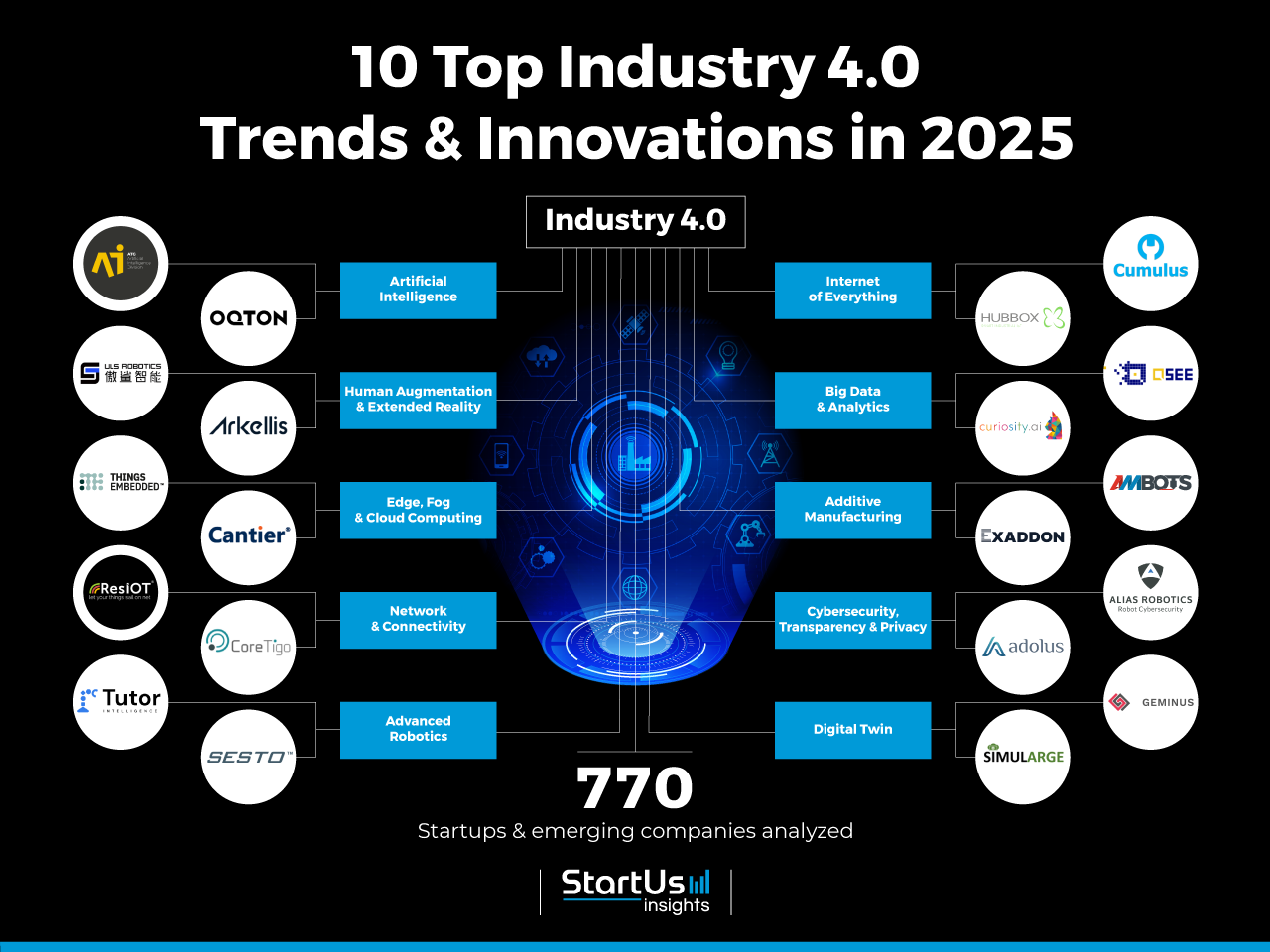
The business landscape is constantly evolving, and as we edge closer to 2025, several trends are emerging that promise to reshape the corporate world in significant ways. Whether you’re a seasoned executive, a budding entrepreneur, or someone just starting your career, understanding these trends will be pivotal to navigating the future of work successfully. In this article, we’ll explore ten key business trends that are set to change the corporate landscape by 2025.
1. The Rise of Remote Work and Hybrid Models
The COVID-19 pandemic accelerated the remote work revolution, and it’s here to stay. By 2025, we expect to see more organizations adopting hybrid work models, allowing employees to split their time between remote work and in-person collaboration. This trend will redefine workplace culture, emphasizing flexibility and work-life balance.
Why It Matters: Companies that embrace this shift can tap into a broader talent pool unrestricted by geographic boundaries. Additionally, it can lead to significant cost savings on real estate and operational expenses.
2. Emphasis on Employee Well-being and Mental Health
As companies increasingly recognize the importance of mental health, the focus on employee well-being will intensify by 2025. Firms will implement comprehensive wellness programs, mental health resources, and flexible policies designed to support their workers’ overall health. This trend is especially important as younger generations prioritize company culture and mental well-being when selecting employers.
Why It Matters: A happy and healthy workforce is directly linked to increased productivity and lower turnover rates. Companies that invest in their employees’ wellness will gain a competitive advantage in attracting and retaining top talent.
3. Sustainability as a Core Business Value
Environmental sustainability is shifting from a ‘nice-to-have’ to a fundamental business practice. By 2025, we’ll see more corporations embracing sustainable practices, from using renewable energy to adopting circular economy principles. Companies that demonstrate genuine commitment to environmental stewardship will enhance their brand reputation and appeal to socially conscious consumers.
Why It Matters: Investors and customers alike are prioritizing sustainability. Firms that fail to adopt eco-friendly practices risk losing credibility and market share.
4. Artificial Intelligence and Automation Integration
AI and automation technologies are at the forefront of business innovation. By 2025, we will see these technologies integrated more deeply into various functions, from customer service chatbots to advanced data analytics tools. Companies will leverage AI to enhance decision-making, streamline operations, and improve customer experiences.
Why It Matters: Embracing AI can lead to increased efficiency and reduced operational costs. Organizations that lag in technology integration may struggle to compete with tech-savvy rivals.
5. Data-Driven Decision Making
Data analytics is becoming a crucial part of decision-making processes. By 2025, firms will increasingly rely on data to drive strategic initiatives, optimize operations, and personalize marketing efforts. The ability to gather, interpret, and act on data will be essential for success in a competitive landscape.
Why It Matters: Data-driven decision-making leads to more informed choices, minimizing risks and maximizing opportunities. Organizations that harness data effectively will outpace those that do not.
6. Enhanced Focus on Diversity, Equity, and Inclusion (DEI)
Diversity, equity, and inclusion initiatives are no longer just HR buzzwords; they are becoming essential components of corporate strategies. By 2025, companies will prioritize DEI, fostering diverse teams and creating inclusive environments. This trend is not only about compliance but about building a culture that values different perspectives.

- Overcome negative thought patterns, reduce stress, and live a worry-free life
- Overthinking is the biggest cause of unhappiness
- Don't get stuck in a never-ending thought loop
- Stay present and keep your mind off things that don't matter, and never will
- Break free of your self-imposed mental prison
Why It Matters: Diverse teams drive innovation and enhance problem-solving capabilities. Companies that embrace DEI will be better positioned to understand and serve a diverse clientele.
7. Transformations in Consumer Behavior
The way consumers interact with businesses is evolving rapidly. By 2025, companies will need to adapt to shifts in consumer preferences, including a greater focus on online shopping, personalization, and ethical consumption. Businesses that fail to respond to these changes risk losing relevance in a fast-paced market.
Why It Matters: Understanding and adapting to consumer behavior will be crucial for developing effective marketing strategies and product offerings. Companies that can pivot quickly will maintain a competitive edge.
8. The Gig Economy Will Expand
The gig economy has gained traction over the past several years, and we can expect it to flourish by 2025. Many traditional businesses will begin to embrace freelance talent for specific projects rather than relying solely on a full-time workforce. This shift will provide greater flexibility and scalability for businesses while allowing professionals to pursue multiple opportunities.
Why It Matters: Companies that leverage gig talent can benefit from specialized skills and reduce overhead costs. As workers increasingly seek flexibility, embracing the gig economy can help attract top-tier independent professionals.
9. Blockchain and Cryptocurrency Mainstreaming
Blockchain technology and cryptocurrencies are making waves across various industries, including finance, logistics, and even healthcare. By 2025, we will see increased adoption of blockchain for transparency, security, and smart contracts. Additionally, businesses may begin exploring cryptocurrency payments as part of their transaction systems.
Why It Matters: As blockchain technology becomes more mainstream, businesses that adopt it early will benefit from enhanced security and efficiency, while also attracting tech-savvy customers.
10. Focus on Continuous Learning and Development
In an ever-changing business environment, continuous learning is becoming crucial for organizations. By 2025, companies will increasingly invest in employee development, offering training programs that facilitate upskilling and reskilling. Businesses that prioritize ongoing education will foster innovation and retain top talent.
Why It Matters: A culture of continuous learning leads to a more adaptable workforce. Companies that encourage personal and professional growth will remain resilient amid changing market conditions.
Conclusion
As we look forward to 2025, it’s evident that several business trends will reshape the corporate world. Companies that proactively adapt to these changes will be well-positioned for success in the future. The focus on remote work, employee well-being, sustainability, and technology integration will define the next era of corporate operations.
For business leaders, staying ahead of these trends is not just advisable; it’s essential. Embracing the challenges and opportunities presented by these shifts can help organizations thrive in an increasingly complex and competitive landscape.
Whether you are a business owner, a professional looking to advance your career, or an entrepreneur venturing into new territories, understanding these trends will provide valuable insights into how to navigate the corporate world effectively in 2025 and beyond.


