
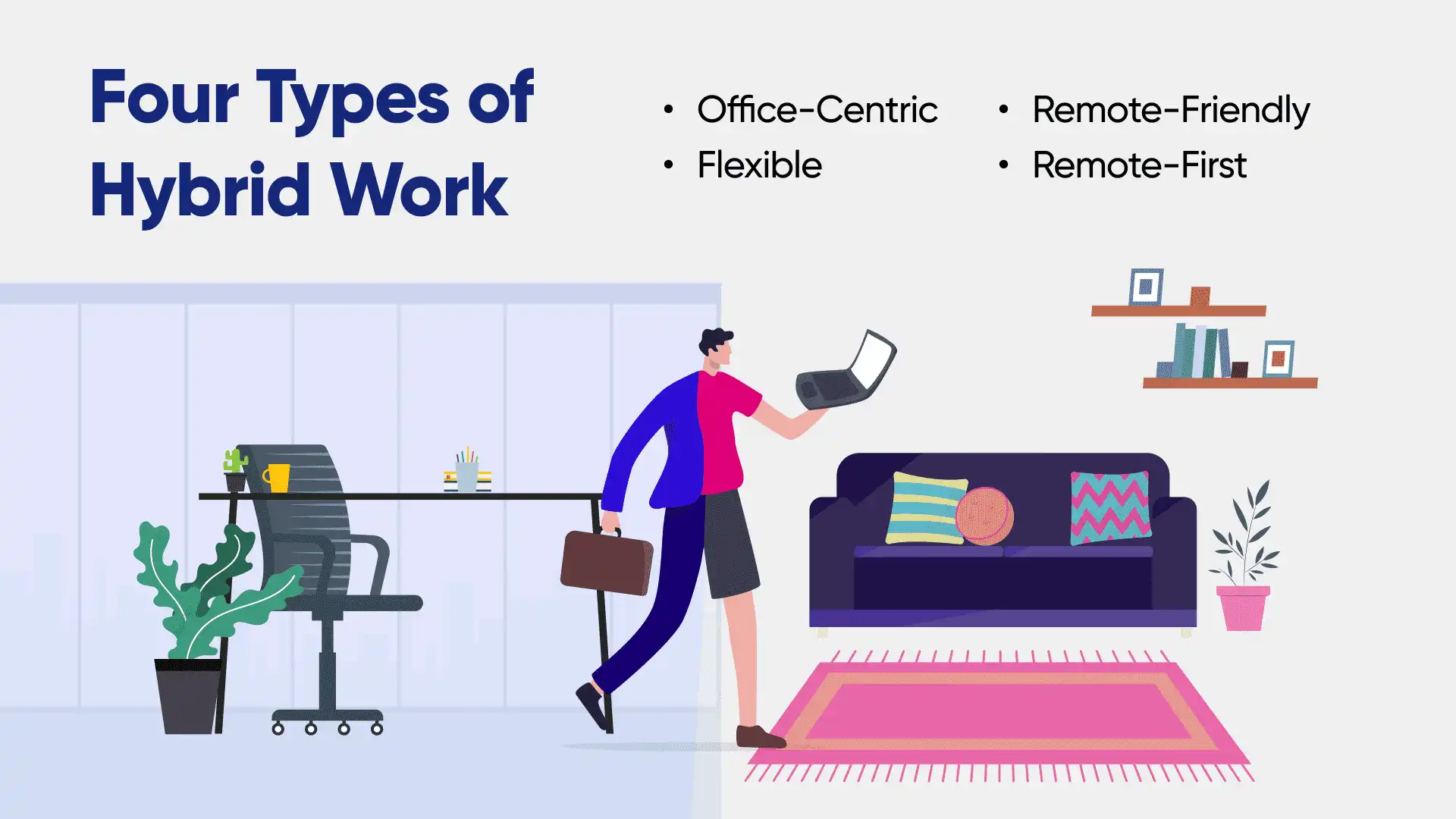
As we continue to navigate the complexities of post-pandemic life, one question looms large in the minds of employees and employers alike: What’s the future of work? The dramatic shift to remote work in 2020 altered our professional landscapes forever, leading to discussions around remote, hybrid, and office-centric work models. As we step into a new era of employment, this article dives deep into the various work models, helping you determine the best approach for you, your team, and your organization.
Understanding the Shift
The pandemic served as a wake-up call for many organizations. Remote work, which was once a rare perk, suddenly became the norm. Companies that had previously resisted this model adapted quickly, discovering that employees could remain productive while working from home. According to a Gallup poll, about 56% of American workers would prefer to continue working remotely, even post-pandemic. This shift has prompted businesses to reconsider their existing models and the implications of remote, hybrid, or office-centric arrangements.
The Rise of Remote Work
Remote work is defined as a workplace model that allows employees to work in the location of their choice — be it home, a café, or even a co-working space. This model offers numerous advantages for both employees and companies:
- Flexibility: The freedom to create a work environment tailored to individual preferences often leads to higher job satisfaction.
- Reduced Commute: Eliminating daily travel not only saves time but also decreases stress and contributes to a better work-life balance.
- Broader Talent Pool: Employers can hire talent from anywhere, increasing the diversity and skills available to the organization.
However, remote work doesn’t come without challenges. Maintaining company culture, ensuring regular communication, and preventing feelings of isolation are significant hurdles many organizations face in a fully remote environment.
The Hybrid Model: The Best of Both Worlds?
The hybrid model combines elements of both remote and office-centric work. Employees typically split their time between home and the office, allowing flexibility while also encouraging in-person collaboration.
Benefits of Hybrid Work:
- Flexibility: Employees can choose when to work from home or the office, optimizing their productivity according to personal and professional needs.
- Collaboration: Regular in-person meetings can strengthen team dynamics and enhance creative brainstorming.
- Work-Life Balance: Employees can maintain a degree of separation between work and personal life, resulting in less burnout.
However, hybrid work does present its own set of challenges. It’s crucial for organizations to develop effective communication strategies to ensure that all employees, whether working remotely or in the office, feel included and valued.
The Office-Centric Approach: A Return to Tradition
For many businesses, the office-centric model continues to be the gold standard. This approach brings employees back into a traditional office environment and facilitates direct communication and collaboration.
Benefits of Office-Centric Work:
- Immediate Access to Resources: Employees have direct access to office supplies, technology, and colleagues for quick conversations.
- Structured Environment: The office can provide a more structured setting that may help some employees focus better.
- Cultural Reinforcement: In-person interactions foster a sense of community and strengthen company culture, which is challenging in remote settings.
However, sticking to an office-centric model can lead to higher operational costs and may result in employees feeling constrained in terms of work-life balance and flexibility.
What Do Employees Prefer?
Surveys indicate a strong employee preference for remote or hybrid work models. A survey by PwC found that 83% of employers say the shift to remote work has been successful for their organizations, and a significant portion of the workforce (55%) prefers a hybrid work model.
Employers are starting to take these preferences seriously, with many organizations embracing flexible work arrangements. Companies are considering long-term arrangements that cater to employee desires while aligning with their operational needs.
Evaluating Your Team’s Needs
Before deciding which model is best for your workplace, it’s crucial to evaluate your specific team’s needs. Here are some critical questions to consider:
-
How does your industry function? Certain industries may be more suited to remote or hybrid work than others. For instance, tech-related fields might thrive on remote work, while construction or healthcare may require physical presence.
-
What are your employees’ preferences? A simple survey can help understand where your team stands on work models, allowing you to tailor your approach according to their needs.
-
What does your company culture promote? If your organization values innovation and teamwork, a hybrid or office-centric model may enhance collaboration.
-
Are there technology barriers? Ensure that your team has access to the necessary tools for remote work. Connectivity, communication platforms, and training must be prioritized.

- Overcome negative thought patterns, reduce stress, and live a worry-free life
- Overthinking is the biggest cause of unhappiness
- Don't get stuck in a never-ending thought loop
- Stay present and keep your mind off things that don't matter, and never will
- Break free of your self-imposed mental prison
The Best Practices for Remote Work Financing
If remote work is the direction your company is leaning towards, implementing best practices is essential for a successful transition. Here are some guidelines:
-
Set Clear Expectations: Clearly define roles, responsibilities, and goals for remote employees. Regular check-ins and performance metrics can aid accountability.
-
Invest in Technology: Provide employees with the necessary tools and software for efficient communication and project management. Consistent access to technology is imperative for productivity.
-
Encourage Social Interaction: Create opportunities for virtual social engagements, such as coffee breaks or team-building activities, to foster camaraderie and reduce feelings of isolation.
-
Focus on Training: Invest in training sessions that help remote employees excel in their roles and provide leadership training for managers to navigate remote team dynamics effectively.
Hybrid Work: Crafting the Ideal Balance
If you’re considering a hybrid model, crafting a balanced approach is key. Here are some tips to help you do just that:
-
Determine Your Schedule: Establish a structured schedule for when remote and in-office work will take place. Communicate it effectively to all employees.
-
Encourage Flexibility: Allow flexibility within the structured schedule, enabling employees to balance work and personal commitments better.
-
Leverage Technology: Use collaboration tools to ensure seamless communication between in-office and remote workers. Platforms like Slack, Zoom, and Asana can be instrumental in this regard.
-
Regular Check-Ins: Schedule frequent check-ins to gauge employee well-being and productivity. This will create an avenue for feedback and adjustments that enhance the working environment.
Office-Centric: Reimagining the Workplace
For companies sticking with an office-centric model, consider reimagining the traditional workspace to foster both productivity and well-being:
-
Flexible Office Spaces: Design your office layout to encourage collaboration and creativity, with areas for brainstorming and casual conversations.
-
Health and Safety Protocols: Implement measures to ensure a safe working environment, including social distancing, sanitization, and ventilation improvements.
-
Employee Well-Being: Focus on mental health initiatives that promote employee well-being. This could include wellness programs, access to mental health resources, or creating quiet spaces for meditation or relaxation.
What Lies Ahead?
The future of work is continuously evolving, and there’s no one-size-fits-all approach. As organizations transition back to a semblance of normalcy, the successful model will likely blend elements of remote, hybrid, and office-centric work, catering to diverse employee needs.
Embrace feedback from your team, monitor the changing landscape, and remain agile to make informed decisions about your workplace strategy. Remember, every organization is unique, and your working model should reflect your culture, goals, and employee preferences.
Conclusion
The future of work is a multifaceted discussion encompassing various preferences and approaches. Whether your organization leans towards a remote, hybrid, or office-centric model, the key is understanding the needs of your employees and aligning them with your organizational goals. By doing so, you’ll not only foster a more productive work environment but also cultivate a culture that values flexibility, inclusivity, and well-being.
As workplaces continue to evolve, staying ahead of the curve will require adaptation, open dialogue, and a willingness to embrace change. The future is here, and now is the time to shape it. What will your workplace look like? The choice is yours!


