
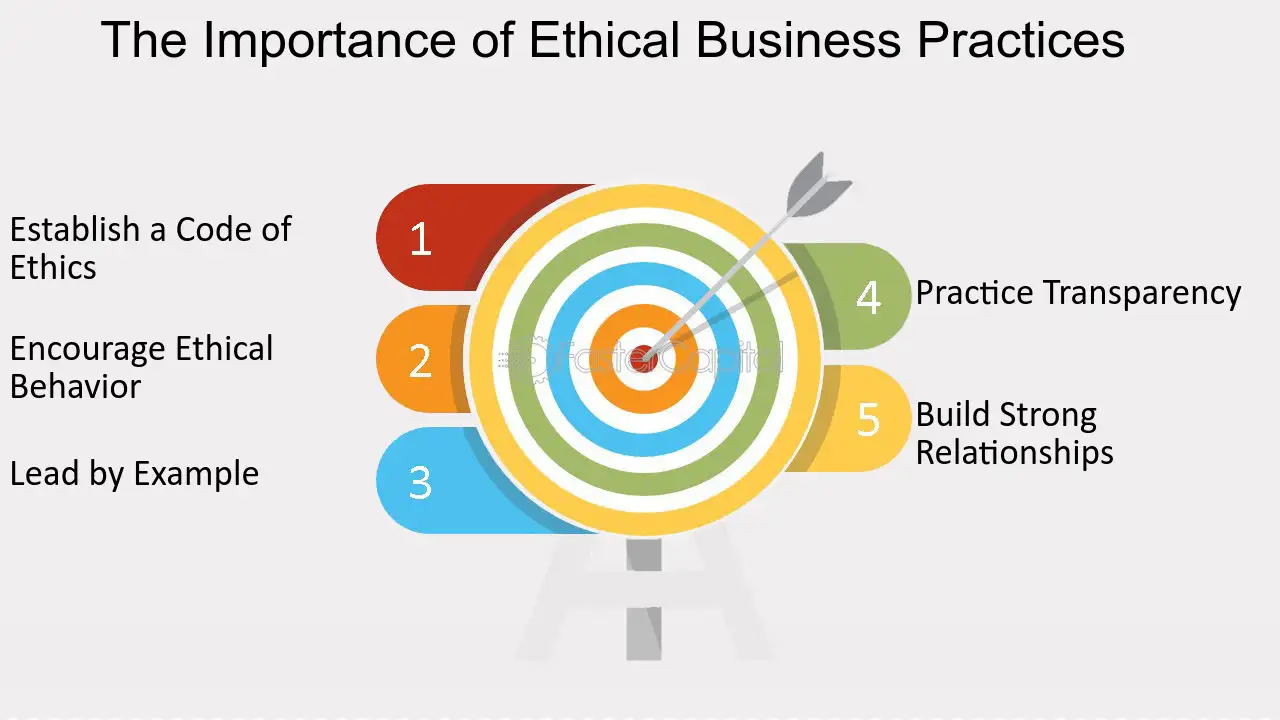
In our increasingly interconnected world, the travel industry has evolved into a multi-billion dollar market that touches the lives of millions globally. However, with this growth comes the pressing need for ethical business practices. Travelers are now more conscious of where their money goes and how their choices impact local communities, economies, and the environment. In this article, we’ll explore why ethical business practices are more important than ever, especially in the travel sector.
What Are Ethical Business Practices?
At their core, ethical business practices refer to the standards and principles that guide a company’s conduct in its operations. This encompasses a wide range of activities, from fair labor practices and environmentally sustainable initiatives to transparency in pricing and respect for local cultures. The travel industry can encompass everything from hotels and airlines to tour operators and local attractions, meaning that ethical considerations often cover a broad spectrum.
1. The Rise of Conscious Consumerism
In recent years, a noticeable shift in consumer behavior has occurred. More people are becoming “conscious consumers,” where their purchasing decisions are influenced by the ethical practices of a company. Travelers are increasingly asking themselves questions like, “Where is my money going?” and “How does this impact the local community?”
Supporting Local Economies
Tourists are looking for ways to give back to the communities they visit. This may include staying at local hotels rather than large chains, dining at family-owned restaurants instead of corporate eateries, or participating in community-guided tours. Ethical business practices that emphasize community integration not only benefit the destination but also enhance the travel experience itself.
Minimizing Cultural Appropriation
Ethical practices also involve respecting local cultures and traditions. Conscious travelers are keen on avoiding experiences that exploit or misrepresent communities. Opting for authentic experiences that honor local customs fosters deeper connections and enriches the travel experience for everyone involved.
2. Environmental Sustainability
The travel industry has a substantial carbon footprint, with air travel and transportation contributing significantly to greenhouse gas emissions. Travelers are becoming increasingly aware of environmental sustainability, pushing companies toward more ethical practices that protect natural ecosystems and promote responsible tourism.
Eco-Friendly Accommodations
Many hotels and resorts are now embracing eco-friendly initiatives, such as using renewable energy sources, reducing water consumption, and sourcing local products for their restaurants. Tour operators are also getting onboard with sustainable practices by offering eco-tours that prioritize environmental conservation.
Wildlife Conservation
With growing awareness of issues like poaching and habitat destruction, ethical tourism that supports wildlife conservation is gaining traction. Responsible travelers are seeking out experiences that contribute to the welfare of animals rather than exploit them. Businesses that prioritize wildlife conservation efforts demonstrate their commitment to ethical practices.
3. Transparency and Accountability
Today’s tech-savvy travelers are armed with a wealth of information at their fingertips. Online platforms give consumers the ability to voice their opinions, making transparency and accountability critical for businesses. Ethically conscious companies are transparent about their practices, which builds trust with customers.
The Role of Social Media
Social media platforms like Instagram, Twitter, and Facebook allow travelers to share their experiences in real-time. This generates collective scrutiny over a company’s practices. If travelers have a negative experience—especially concerning ethical violations—news travels fast, leading to reputational damage. More businesses are therefore proactive in maintaining high ethical standards to safeguard their brand image.

- Overcome negative thought patterns, reduce stress, and live a worry-free life
- Overthinking is the biggest cause of unhappiness
- Don't get stuck in a never-ending thought loop
- Stay present and keep your mind off things that don't matter, and never will
- Break free of your self-imposed mental prison
Third-Party Certifications
Travel-related businesses that showcase certifications for ethical practices—such as Fair Trade, Green Globe, or the Global Sustainable Tourism Council—can reassure consumers of their commitment to ethical business practices. These certifications not only improve the public’s perception but also foster business growth by attracting conscious consumers.
4. Employee Welfare and Fair Labor Practices
Ethical business practices extend to how employees are treated within the industry. Fair wages, proper working conditions, and employee rights are critical components of ethical travel businesses.
A Positive Work Environment
When employees feel valued and safe, they provide better service to travelers. Businesses that invest in their workforce often see happier employees, leading to positive reviews and customer loyalty. Moreover, ensuring that employees receive fair wages helps improve the local economy, resonating well with socially conscious travelers.
Human Rights Considerations
Many travelers are increasingly concerned about human rights issues, including child labor and exploitation in the workforce. Ethical businesses actively work to combat such practices, ensuring that their operational processes do not unknowingly support exploitation.
5. Building Long-Term Relationships
As the travel landscape becomes more competitive, businesses that focus on ethical practices stand to benefit by fostering long-term relationships with consumers. Travelers who value ethics are more likely to become repeat customers and promote the brand through word-of-mouth.
Creating Loyalty Through Ethics
Ethical practices create a sense of loyalty among consumers. Travelers today want to support businesses that align with their values. By investing in ethical practices, companies not only enhance their reputation but also cultivate a loyal customer base.
Conclusion: The Future of Travel Lies in Ethics
The travel industry is at a crossroads, with ethical business practices becoming increasingly vital. For travelers, the choices they make have significant implications; they can either contribute to positive change or inadvertently support harmful practices. By aligning values with actions, the travel industry has an opportunity to lead the way in ethical business practices.
Travelers should be encouraged to research destinations, open their minds to local cultures, and prioritize businesses that prioritize sustainability and community welfare. Meanwhile, companies in the travel sector must embrace transparency, accountability, and fair treatment to not only ensure success but create a better world for travelers, locals, and the environment.
As the demand for ethical business practices continues to rise, we find ourselves in an exciting place where we can influence the travel industry’s future. The implications are vast—from cultural respect and environmental sustainability to fair labor practices—demonstrating that how we travel matters more than ever.
So the next time you plan your trip, remember the power of your choices. By supporting ethical businesses, you can be part of a movement that is reshaping the travel industry for the better. It’s more than just travel; it’s about leaving a positive impact on the world. Let’s explore responsibly and embrace the change together. Safe travels, and happy ethical adventures!


