
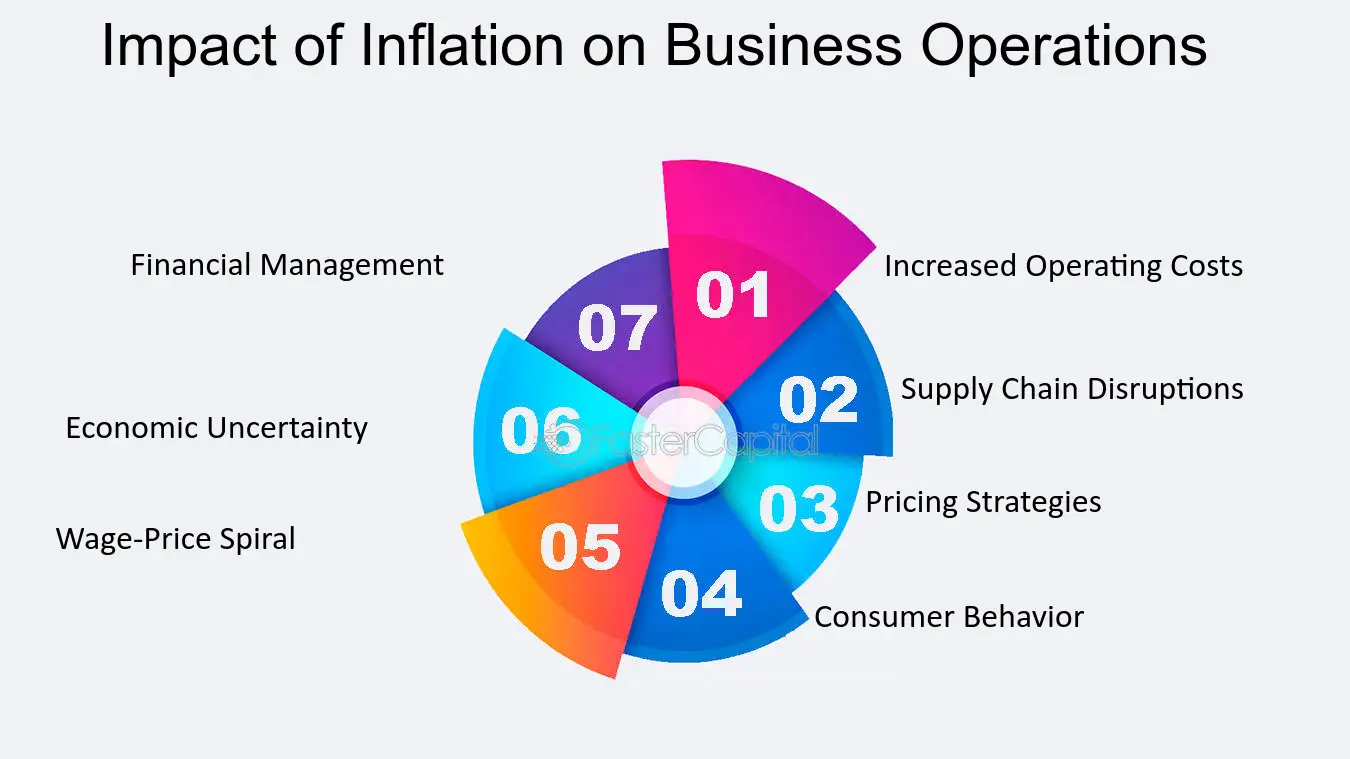
As we step into 2025, businesses around the globe are grappling with a force that impacts nearly every aspect of their operations: inflation. This economic phenomenon, characterized by the rising prices of goods and services, is reshaping how businesses function, strategize, and interact with their customers. In this article, we explore ten significant ways inflation is influencing business operations in 2025, helping entrepreneurs and leaders navigate this changing landscape.
1. Increased Cost of Goods Sold (COGS)
Inflation leads to a rise in the costs of raw materials and supplies, impacting the Cost of Goods Sold (COGS). In 2025, many businesses are feeling the pinch as they struggle to maintain profit margins while dealing with higher procurement prices. Companies have had to revisit their supply chain strategies, often seeking alternative suppliers or renegotiating contracts to secure better prices. This shift not only affects budgeting but also necessitates a reevaluation of pricing strategies, as businesses may need to pass on costs to consumers to maintain profitability.
2. Pricing Strategy Adaptation
With the relentless rise in costs, businesses in 2025 must continually adapt their pricing strategies. An increase in prices can lead to consumer resistance; however, it’s essential for companies to remain competitive while also sustaining their margins. Successful businesses are employing dynamic pricing models, closely monitoring market conditions, and adjusting prices based on real-time data. This agility in pricing has become a key part of business strategy, enabling firms to respond to economic shifts and consumer behavior more effectively.
3. Labor Costs on the Rise
Inflation has a direct impact on labor costs, as employees seek higher wages to keep pace with living expenses. In 2025, many sectors are experiencing labor shortages, pushing employers to offer competitive salaries and benefits. Businesses must find ways to manage these rising costs, often needing to implement more efficient operational practices or invest in technology to improve productivity. Companies focusing on employee retention and engagement are also seeing the benefits, as a satisfied workforce can mitigate some of the challenges brought on by inflation.
4. Supply Chain Disruptions
The global supply chain landscape continues to be fragile in 2025, exacerbated by inflation. With costs climbing, logistics companies are struggling to maintain service levels, affecting delivery times and inventory management. Businesses have had to rethink their supply chain strategies, often choosing local suppliers to reduce transportation costs or investing in alternative shipping solutions. This shift not only helps in managing expenses but can also enhance resilience against future disruptions.
5. Consumer Spending Behavior Changes
Inflation alters consumer spending behavior, a reality that businesses must understand to thrive in 2025. With rising prices, consumers are becoming more cautious about their expenditures, often prioritizing essential goods and services over luxury items. Businesses are adapting by refining their marketing strategies, promoting value-driven offerings, and implementing loyalty programs to encourage repeat purchases. Understanding the new consumer mindset is crucial for any business looking to maintain sales during inflationary periods.
6. Investment in Technology and Automation
To withstand inflation’s pressures, many companies are turning to technology and automation as financial saviors. Investments in digital tools, Artificial Intelligence (AI), and data analytics can streamline operations and help businesses manage costs more effectively. Automation not only reduces reliance on manual labor—mitigating rising wage pressures—but also enhances efficiency, which is especially critical in an inflationary environment. As a result, companies that embrace innovation are often better equipped to navigate the challenges of inflation.

- Overcome negative thought patterns, reduce stress, and live a worry-free life
- Overthinking is the biggest cause of unhappiness
- Don't get stuck in a never-ending thought loop
- Stay present and keep your mind off things that don't matter, and never will
- Break free of your self-imposed mental prison
7. Cash Flow Management and Financial Planning
Inflation complicates cash flow management, making accurate financial planning crucial for businesses in 2025. Fluctuating costs can catch business owners off guard, leading to cash crunch situations that may disrupt operations. As a result, companies are placing greater emphasis on financial forecasting and maintaining reserves. Enhanced cash flow management practices, such as optimizing inventory levels and improving receivables collection processes, have become essential for sustaining business viability.
8. Changes in Marketing and Advertising Strategies
With changing consumer behavior, businesses must adapt their marketing and advertising strategies to engage a more cost-conscious audience. In 2025, there is a notable shift towards digital marketing avenues that provide measurable results without the hefty price tags associated with traditional media. Companies are investing in social media marketing, content creation, and search engine optimization (SEO) to maximize their reach while minimizing costs. Crafting messages that resonate with consumers, showcasing value, and fostering a sense of community are all vital components of successful marketing efforts during inflationary times.
9. Product and Service Diversification
Inflation has led many businesses to rethink their product offerings. In 2025, companies are exploring diversification strategies to cushion against the impacts of rising costs. By expanding their product lines or introducing new services that cater to changing consumer needs, businesses can capture wider market share and reduce reliance on a single revenue stream. This adaptation not only allows companies to address inflation-induced challenges but also positions them to be more competitive in an evolving economy.
10. Corporate Social Responsibility (CSR) and Sustainability
Consumers are increasingly prioritizing corporate social responsibility and sustainability, especially in times of economic uncertainty. In 2025, businesses are embracing these values as part of their operational ethos. By investing in sustainable practices and transparently communicating their efforts, companies can build brand loyalty and attract socially conscious consumers. Businesses that take a proactive stance on CSR not only contribute positively to society but also differentiate themselves in a crowded marketplace.
Conclusion
The ramifications of inflation on business operations in 2025 are profound and multifaceted. By being proactive and adaptive, companies can navigate the challenges posed by rising costs, changing consumer behaviors, and an evolving economic landscape. Embracing technology, enhancing financial practices, and prioritizing consumer value are central to thriving in these conditions. As we continue to move forward, understanding the impact of inflation will be crucial for any business aiming to achieve sustainable success in an ever-changing world.
By keeping these ten strategies in mind, businesses of all sizes can equip themselves to handle the uncertainties and seize the opportunities inflation presents. It is essential for business leaders to remain agile and responsive, fostering a culture that promotes innovation and resilience in the face of economic pressures. The road ahead may be fraught with challenges, but with the right approach, businesses can emerge stronger and more capable of weathering the storm.


