
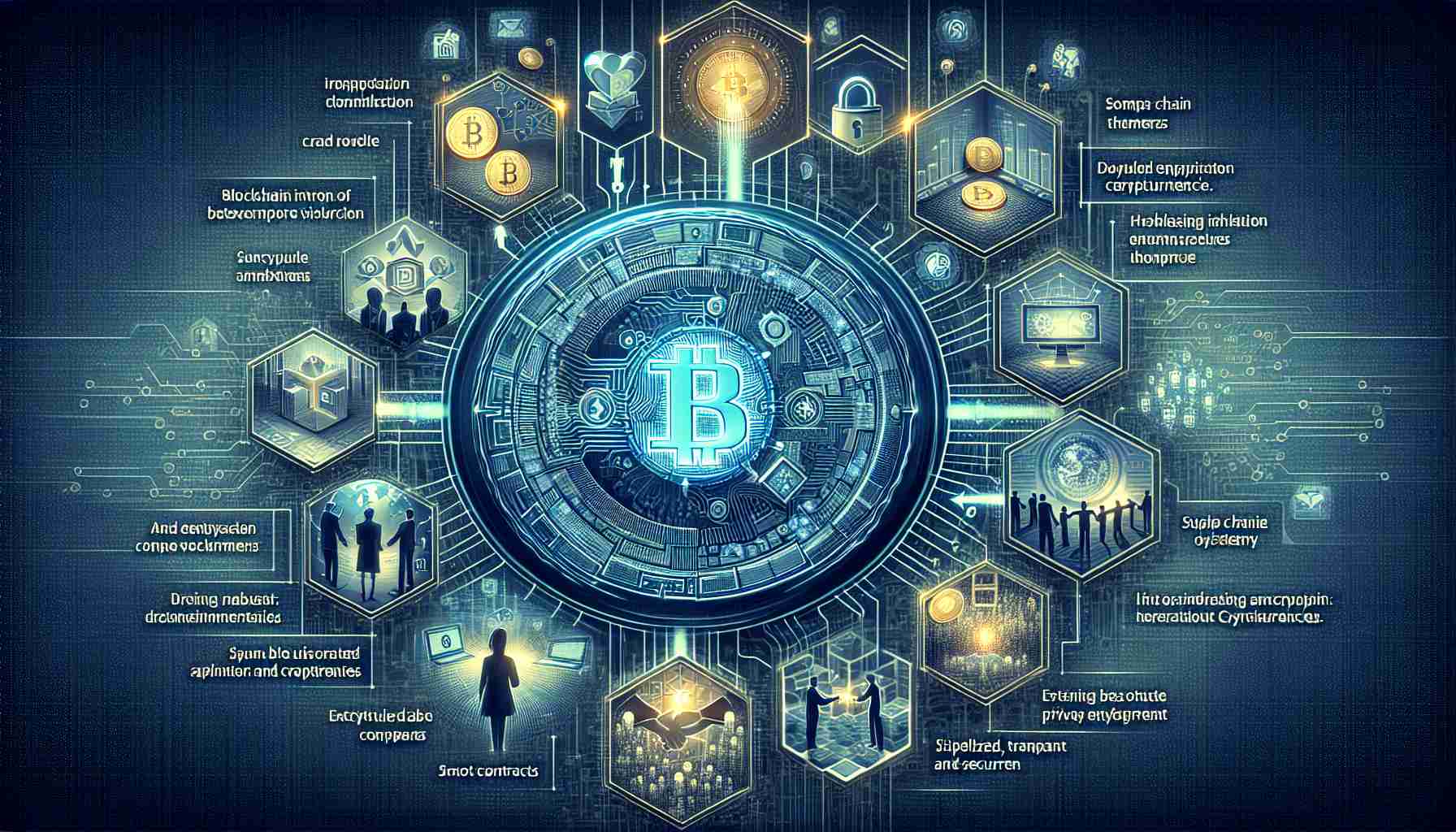
In recent years, the phrase “blockchain technology” has become synonymous with Bitcoin and other cryptocurrencies. However, the unique characteristics of blockchain extend far beyond digital currencies, ushering in an era filled with new possibilities for various industries and sectors. As travelers and tech enthusiasts alike gear up for a world transformed by this innovative technology, it’s essential to explore the broader applications and implications of blockchain. In this article, we delve into the evolution of blockchain technology beyond its initial use in cryptocurrencies, examining its influence on travel, finance, healthcare, logistics, and more.
Understanding Blockchain Basics
To appreciate the far-reaching implications of blockchain technology, let’s start with a brief overview of how it works. At its core, blockchain is a decentralized digital ledger that records transactions across many computers so that the recorded transactions cannot be changed retroactively. This immutability is crucial because it ensures that no single entity controls the entire database, increasing security and trust.
Moreover, blockchain operates transparently. All participants in the network can access and verify the records, making fraud and unauthorized alterations nearly impossible. This foundational mechanism has made blockchain attractive not only for digital currencies but also for a myriad of other applications where security and transparency are paramount.
Revolutionizing Financial Services
While Bitcoin was the initial harbinger of blockchain technology, its potential for the financial sector is crystal clear. The typical challenges of conventional banking—long processing times, intermediaries, and high fees—are hard to ignore. Fortunately, blockchain technology offers solutions that enhance efficiency and reduce costs.
Peer-to-Peer Transactions
Blockchain enables peer-to-peer transactions without the need for intermediaries like banks. This obliterates limitations faced in cross-border transactions, allowing users to send money directly to others anywhere in the world at a fraction of the cost. This can especially benefit travelers looking to send money back home or exchange currencies on the go. Companies like Ripple are already utilizing blockchain technology to facilitate instant cross-border payments.
Smart Contracts
Adding another layer of complexity to blockchain, smart contracts automatically execute transactions when certain conditions are met. This eliminates the need for notaries and legal services, streamlining agreements ranging from real estate to employment contracts. Say goodbye to tedious paperwork and welcome a more agile approach to transactions that can significantly benefit travelers dealing with rental agreements or service contracts while abroad.
Transforming Travel and Hospitality
The travel industry is no stranger to technological disruption, and blockchain is set to revolutionize the way we travel. With its capacity to improve security, explore new methods of payment, and enhance customer experience, blockchain could well be the next frontier in the travel sector.
Enhanced Security and Identity Verification
One of the biggest concerns when traveling is keeping your personal information safe—from passport numbers to credit card details. Blockchain can store this information securely, using encryption to ensure only you have access. Additionally, many airports are beginning to adopt blockchain for seamless and secure identity verification, minimizing wait times and improving overall efficiency.
Loyalty Programs Reimagined
The travel loyalty space has been historically complex and disjointed, with various islands of rewards that don’t offer widespread interoperability. Blockchain technology can change that. By uniting different travel loyalty programs onto a single platform, travelers can earn and redeem points across airlines, hotels, and even popular tourist spots with ease. Imagine being able to use your frequent flyer miles for a hotel stay or a rental car—this is the vision many experts are pursuing through blockchain.
Distributing Travel Data
Travelers often face complications with multiple applications and platforms storing their travel data. Blockchain can serve as a decentralized database for travel-related information ranging from flight itineraries to accommodation bookings. This not only enables travelers to have better control of their data but also enhances the visibility for airlines, hotels, and travel agencies—allowing them to ensure better service delivery by tracking customer preferences and history accurately.

- Overcome negative thought patterns, reduce stress, and live a worry-free life
- Overthinking is the biggest cause of unhappiness
- Don't get stuck in a never-ending thought loop
- Stay present and keep your mind off things that don't matter, and never will
- Break free of your self-imposed mental prison
Healthcare: Privacy and Interoperability
Another critical area where blockchain technology is making headway is the healthcare sector. In an industry fraught with data privacy concerns and interoperability issues, blockchain presents a robust solution.
Secure Patient Records
Blockchain can provide a secure, decentralized platform for storing patient records. Individuals can have complete control over their personal medical information, deciding who has access to it and under what conditions. This could significantly improve trust in medical systems and ensure that sensitive data is less likely to be misused or compromised.
Accelerating Drug Supply Chain Transparency
Blockchain technology can enhance transparency across the drug supply chain, ensuring that patients receive genuine medications while minimizing the risk of counterfeit drugs. This is particularly important in regions where drug safety may be compromised. By tracking every step that a drug takes from the manufacturer to the pharmacy, blockchain can help ensure authenticity and safety.
Logistics and Supply Chain Efficiency
The logistics and supply chain sectors are uniquely suited to benefiting from blockchain technology due to their vast networks and the complexities associated with tracking goods. Companies are beginning to see how blockchain can streamline operations, ensure authenticity, and reduce delays in delivery.
End-to-End Visibility
Logistics companies can leverage blockchain to provide end-to-end visibility for their operations. By connecting various stakeholders on a single platform, they can track the fulfillment of shipments in real time, enhancing transparency and accountability across the supply chain. This visibility can be invaluable for travelers who need timely updates on their shipments, such as international packages or even personal items sent ahead before their arrival.
Reducing Fraud and Errors
One of the challenges faced by logistics companies is the complexity of paperwork and reconciliation processes. Blockchain can mitigate this problem by digitizing and automating the paperwork associated with shipping. This reduces the chances of human error, decreases fraud, and ensures that everyone involved has access to the same accurate information.
Real Estate: Simplifying Transactions
The real estate industry has grappled with bureaucracy and inefficiencies, but blockchain is a beacon of hope for pioneering genuine change.
Transparent Property Ownership
Blockchain provides a transparent way to track property ownership. Instead of cumbersome title searches and potential disputes over ownership history, blockchain can maintain a permanent, unalterable record. This accelerates the buying and selling process, benefiting both real estate investors and consumers.
Fractional Ownership
Blockchain also enables fractional ownership through tokenization, allowing for shared ownership of real estate assets. This can make investing in properties more accessible for average consumers and tourists looking to invest in vacation rentals. Imagine owning a stake in a beachfront property that you can use as an investment while also enjoying personal vacations.
Conclusion: A Future Reshaped by Blockchain
The evolution of blockchain technology informs us of its potential to transform virtually every sector and facet of contemporary society. From revolutionizing financial transactions to enhancing customer experiences in travel, healthcare, logistics, and real estate, the applications are both wide-ranging and enticing.
As travelers, tech enthusiasts, and business leaders start reaping the benefits of blockchain beyond cryptocurrency, we can expect to see a more interconnected, efficient, and transparent world. For those keen on innovation and adaptation, learning about blockchain’s journey is as important as embracing its evolution.
In a world where technology continually reshapes our experiences, understanding these advancements empowers us all to move forward securely and confidently, paving the way for a future filled with opportunities—and perhaps an entirely new way of traveling. So as you prepare for your next adventure, keep an eye on blockchain; it may well be the technology transforming your travel experience in ways you’ve yet to imagine. Whether you’re a seasoned traveler or a novice, embracing the evolution of blockchain will enrich your journeys—both near and far.


