
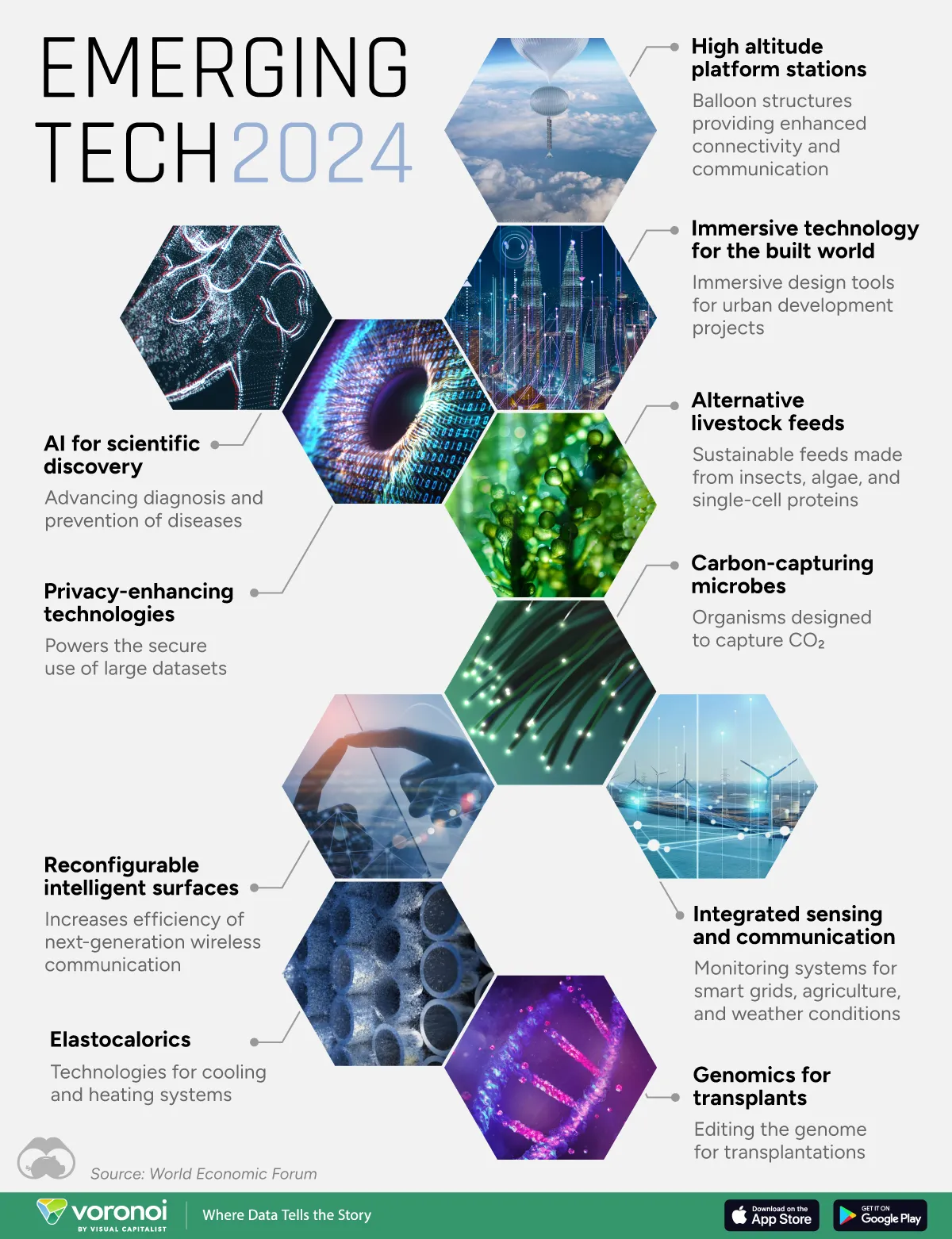
As we venture deeper into the 21st century, the pace of innovation is accelerating at an unprecedented rate. New technologies are transforming the way we live, work, and travel, shaping our future in ways we can only begin to imagine. In this article, we’ll explore the top 10 innovations that could significantly influence our lives in the coming decades and pave the way for a brighter, more sustainable world.
1. Artificial Intelligence and Machine Learning
Artificial Intelligence (AI) has already begun to reshape industries, from healthcare to finance. But its potential is far from fully realized. With advancements in machine learning, AI systems are becoming more intelligent, capable of analyzing vast amounts of data to provide insights and make decisions in real-time. In the travel industry, AI can enhance customer experiences through chatbots, personalized itineraries, and predictive analytics that help businesses anticipate traveler needs.
For travelers, AI can simplify the booking process, suggest tailored activities based on preferences, and even provide real-time language translation, making international travel more accessible and enjoyable. As AI continues to evolve, it will undoubtedly have profound implications for how we explore the world around us.
2. Virtual and Augmented Reality
Virtual Reality (VR) and Augmented Reality (AR) are transforming the way we experience destinations. VR allows travelers to immerse themselves in an environment without leaving their homes, offering previews of far-off locations. Imagine donning a VR headset and walking through the streets of Tokyo, or experiencing the grandeur of the Grand Canyon—all from your living room.
On the other hand, AR enhances real-world experiences. Travelers can access information about historical landmarks, cultural insights, and navigational assistance through AR applications on their smartphones. With the growing affordability of VR and AR technologies, they are poised to revolutionize the way we plan and execute travel.
3. Sustainable Transportation
With the ever-increasing concern over climate change, sustainable transportation options are becoming more critical. Innovations like electric vehicles (EVs) and hydrogen-powered transportation are on the rise, providing eco-friendly alternatives to traditional gas-powered cars. Additionally, advancements in public transportation systems—including electric buses and trains—are being adopted in cities around the globe.
Moreover, companies are exploring the use of drones for delivery services and air taxis for urban travel, significantly reducing congestion and emissions. As we shift toward greener modes of transportation, the travel industry will adapt, emphasizing sustainability and offering more options for eco-conscious travelers.
4. Blockchain Technology
Though most commonly associated with cryptocurrencies like Bitcoin, blockchain technology has the potential to revolutionize various industries, including travel. By providing a decentralized ledger of transactions, blockchain can enhance security, reliability, and efficiency in travel booking and payment processes.
For instance, travelers can benefit from smarter booking systems that eliminate intermediaries, offering the best deals directly from airlines, hotels, and travel agencies. Additionally, blockchain can keep personal travel data secure, giving individuals more control over their information. As this technology continues to develop, travelers can expect a more transparent and secure way to explore the world.
5. Biometric Technology
Modern travel often involves long security lines and extensive paperwork. However, biometric technology is evolving to streamline travel experiences significantly. Fingerprint scanning, facial recognition, and retina scans are becoming more common in airports to expedite check-ins and enhance security measures.
Imagine flying through the airport, with just a swipe of your finger allowing you to pass through every checkpoint seamlessly. Biometric technology has the potential to reduce wait times, improve security, and create a more efficient travel experience overall.
6. Smart Wearables
Wearable technology, such as smartwatches and fitness trackers, continues to gain popularity for health and wellness monitoring. However, these devices are evolving beyond simple health applications. Future wearables could integrate travel features, from navigation assistance to real-time updates on flight delays and gate changes.
As these devices become smarter and more connected, travelers may receive personalized recommendations based on their preferences and location, enhancing their overall experience. Additionally, smart wearables can help promote safety, providing instant access to emergency services, GPS tracking, and health monitoring for those traveling in remote areas.

- Overcome negative thought patterns, reduce stress, and live a worry-free life
- Overthinking is the biggest cause of unhappiness
- Don't get stuck in a never-ending thought loop
- Stay present and keep your mind off things that don't matter, and never will
- Break free of your self-imposed mental prison
7. Space Tourism
Once the realm of science fiction, space tourism is gradually becoming a reality. Companies like SpaceX, Blue Origin, and Virgin Galactic are pioneering commercial space travel, aiming to take adventurous souls to the edge of space and beyond. While a ticket to space may still come with a hefty price tag, the technology and interest in space tourism are growing rapidly.
As interstellar travel becomes more accessible, it could redefine the meaning of exploration. Just as the discovery of new continents changed the course of human history, the ability to traverse beyond our planet will push the boundaries of adventure and discovery.
8. 5G Technology
The rollout of 5G networks promises incredible advancements in connectivity. With faster download speeds and lower latency, 5G technology is set to enhance our online experiences and enable more advanced applications in various fields, including travel.
For travelers, 5G means uninterrupted video streaming, enhanced navigation apps, and real-time updates. It will facilitate smarter travel planning, allowing travelers to receive personalized suggestions and last-minute deals on their smartphones—no matter where they are. In an increasingly connected world, the widespread implementation of 5G will make travel more efficient and enjoyable.
9. Smart Cities
As urbanization continues to rise, the concept of smart cities is gaining traction. These cities utilize technology and data analytics to improve sustainability, efficiency, and quality of life for residents and visitors alike. IoT (Internet of Things) devices, integrated transportation systems, and data-driven infrastructure enhance urban living and facilitate better travel experiences.
Travelers can benefit from smart city innovations through real-time public transportation updates, intelligent parking systems, and pedestrian-friendly designs that prioritize walkability. As more cities adopt smart technologies, we can expect a shift in how we navigate urban environments while traveling.
10. Climate Engineering
As we grapple with climate change, innovative solutions are emerging to combat its effects. Climate engineering, also known as geoengineering, encompasses a range of technologies designed to manipulate the Earth’s climate. While the concept remains controversial, efforts are underway to explore its potential for mitigating climate impacts.
For the travel industry, advancements in climate engineering could lead to improved weather forecasting and climate resilience, helping to safeguard natural destinations and enhance the experiences travelers seek. As policymakers encourage sustainable practices, a collaborative effort—combining technological innovation and responsible tourism—will play a vital role in protecting our planet for future generations.
Conclusion
The future of travel is being shaped by remarkable innovations that promise to enhance our experiences and promote sustainability. From AI and VR to sustainable transportation and smart cities, these advancements are set to revolutionize how we explore the world. As we embrace these technologies and work toward a more connected and eco-friendly future, the adventures of tomorrow will be more exciting—combined with greater convenience and minimized environmental impact.
For travel enthusiasts, it’s essential to stay informed about these innovations. By understanding how they will influence travel experiences, we can approach the future with optimism and excitement, prepared for the endless possibilities that lie ahead! The world is evolving fast, and by adapting to these changes, we can ensure a vibrant, engaging, and sustainable travel experience for generations to come. Ready to explore what the future has in store? The journey is just beginning!


