
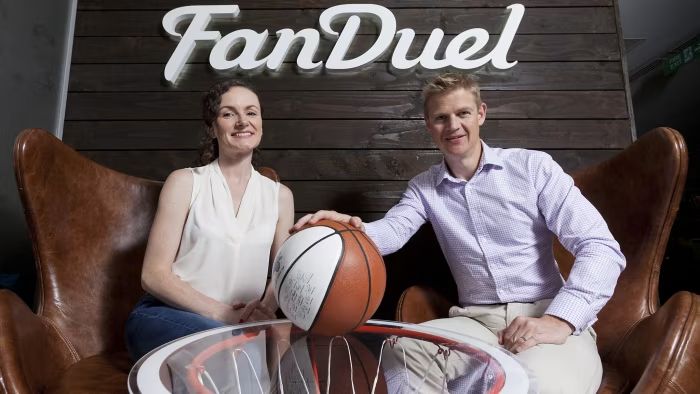
FanDuel’s sale might seem like a success, until you learn its founders and employees walked away with nothing.
In the high-stakes world of startups and venture capital, headlines often celebrate the latest billion-dollar exits and multi-million-dollar sales. However, beneath these glamorous stories lie complex financial maneuvers that can drastically alter the outcome for those who built the companies from the ground up. Such is the case with FanDuel, a prominent name in the sports betting industry, whose sale for a staggering $558 million initially appears to be a textbook success story. Yet, a deeper dive reveals a stark reality: despite the impressive sale price, the founders and employees walked away with nothing. How did this happen? Let’s unpack the intricate web of investor-friendly terms and the lessons that aspiring entrepreneurs can glean from FanDuel’s journey.
The Surface Success: FanDuel’s $558 Million Sale
At first glance, FanDuel’s sale is a testament to entrepreneurial success. Founded in 2009, FanDuel quickly rose to prominence as a leading daily fantasy sports platform, capturing a significant market share and attracting substantial investment from venture capital firms. The company’s meteoric growth culminated in a $558 million sale, a figure that any startup founder would covet. This deal, covered extensively in business news, was hailed as a major win for the company, its founders, and its employees.
The Hidden Story: Founders and Employees Left Empty
However, beneath the glossy surface of this high-value exit lies a cautionary tale. Despite the impressive sale price, the founders and employees of FanDuel found themselves with nothing. How is this possible? The answer lies in the fine print of the investment agreements that governed the sale.
In many startup exits, especially those involving substantial venture capital (VC) investment, the distribution of proceeds is anything but straightforward. Terms like liquidation preferences and drag-along rights, which are often designed to protect investors, can significantly impact how the sale proceeds are distributed among the various stakeholders. In FanDuel’s case, these terms favored late-stage investors to such an extent that common shareholders, including founders and employees, were left with zero.
Understanding Liquidation Preferences and Drag-Along Rights
To grasp why FanDuel’s founders and employees ended up empty-handed, it’s essential to understand two critical terms in venture financing: liquidation preferences and drag-along rights.
Liquidation Preferences: This term dictates the order in which investors are paid out in the event of a liquidation event, such as a sale or merger. Typically, investors with liquidation preferences are paid before common shareholders receive anything. For instance, if an investor has a 2x liquidation preference on a $10 million investment, they are entitled to $20 million before any other stakeholders can claim their share of the remaining proceeds.
Drag-Along Rights: These rights allow majority investors to force minority shareholders to join in the sale of a company. Essentially, if a majority of investors agree to a sale, drag-along rights compel all shareholders to sell their shares on the same terms, ensuring a smooth and uncontested transaction.
In FanDuel’s scenario, these terms were structured in a way that prioritized late-stage investors, ensuring they recouped their investments with favorable returns before any proceeds trickled down to common shareholders. This structure is not uncommon in VC deals, but it underscores the importance of understanding and negotiating these terms carefully.
Investor-Friendly Terms and Their Consequences
The primary objective of liquidation preferences and drag-along rights is to safeguard the interests of investors, particularly those who contribute substantial capital during later funding rounds. However, while these terms offer security to investors, they can have unintended consequences for founders and employees who hold common shares.
In FanDuel’s case, the combination of multiple liquidation preferences and stringent drag-along rights meant that during the $558 million sale, the proceeds were first used to satisfy the preferences of late-stage investors. This left little to no remaining funds for common shareholders, including the founders and employees who had poured their time, effort, and expertise into building the company.
This outcome highlights a critical aspect of startup financing: the more funding a company raises, especially at later stages, the more control and priority investors can exert over the company’s financial outcomes. While such terms are standard in the industry, they can significantly dilute the financial rewards for those who originally built the company.
FanDuel’s experience serves as a valuable lesson for current and aspiring entrepreneurs. To ensure that their hard work translates into tangible rewards, founders must approach venture funding with a strategic mindset, keeping the following lessons in mind:
1. Read the Fine Print: Understanding the Terms
One of the most crucial lessons from FanDuel’s sale is the importance of meticulously reviewing and understanding the terms of any investment agreement. Terms like liquidation preferences and drag-along rights are not mere formalities; they have profound implications on how proceeds are distributed in the event of a sale or liquidation.
Actionable Steps for Founders:
- Educate Yourself: Gain a solid understanding of common venture financing terms and their implications. Resources like legal guides, industry blogs, and consultations with legal experts can be invaluable.
- Seek Legal Counsel: Always have a knowledgeable attorney review investment agreements to ensure you fully understand the terms and can negotiate favorable conditions.
- Negotiate Wisely: While investors may push for terms that protect their interests, founders should advocate for terms that also safeguard their potential returns. This might include negotiating lower liquidation preferences or capping the multiple investors can receive.
2. Raise Responsibly: Balancing Capital Needs with Ownership Retention
Over-raising capital can inflate a company’s valuation prematurely, leading to unrealistic expectations and unsustainable pressure for rapid growth. While securing sufficient funds is essential for scaling, raising more than necessary can dilute ownership and give investors disproportionate control over the company’s future.
Actionable Steps for Founders:
- Assess Actual Needs: Before embarking on a fundraising round, conduct a thorough analysis of how much capital is genuinely required to achieve your business milestones.
- Stage Your Funding: Instead of raising large sums upfront, consider staging your funding to align with specific growth phases, allowing for better valuation control and ownership retention.
- Manage Valuations Prudently: Aim for realistic valuations that reflect the company’s current status and potential, avoiding the pitfalls of overvaluation that can lead to difficulties in future funding rounds.
3. Pick the Right Investors: Aligning Visions for Long-Term Success
Not all capital is created equal. The right investors can bring more than just money to the table—they can offer strategic guidance, industry connections, and support that align with the company’s long-term vision. Conversely, investors misaligned with the company’s goals can impose terms that stifle growth and erode founders’ equity.
Actionable Steps for Founders:
- Evaluate Investor Fit: Assess potential investors not just based on the capital they can provide, but also on their track record, industry expertise, and alignment with your company’s vision.
- Prioritize Strategic Partners: Seek out investors who can offer more than just financial backing, such as mentorship, market access, and strategic partnerships.
- Build Strong Relationships: Foster transparent and communicative relationships with your investors to ensure mutual understanding and alignment on the company’s direction.
The Bigger Picture: VC Funding and Founder Equity
Venture capital funding is often portrayed as a fast track to scaling a startup, but it comes with its own set of challenges and trade-offs. While VC funding can provide the necessary resources to accelerate growth, it can also impose significant pressure for rapid expansion and high returns, sometimes at the expense of founders’ equity and control.
FanDuel’s story underscores the importance of weighing the benefits and drawbacks of VC funding. Founders must consider whether the infusion of capital aligns with their long-term vision and whether the accompanying terms protect their interests. For some, alternative funding paths, such as bootstrapping, angel investing, or pursuing organic growth towards profitability, might offer a more balanced approach to scaling without sacrificing ownership.
Moving Forward: Protecting Your Stake in the Startup Ecosystem
In light of FanDuel’s experience, it’s imperative for founders to adopt strategies that protect their equity and ensure that their hard work translates into tangible rewards. Here are additional strategies to consider:
Diversify Your Funding Sources
Relying solely on venture capital can make a startup vulnerable to the terms and conditions imposed by a single class of investors. Exploring a mix of funding sources, including angel investors, crowdfunding, grants, and revenue-based financing, can provide more flexibility and reduce dependency on any one type of investor.
Implement Equity Protection Mechanisms
Incorporate mechanisms such as anti-dilution clauses, vesting schedules, and founder-friendly equity agreements to safeguard your stake. These measures can help maintain ownership levels and ensure that founders retain control over their companies.
Foster Transparent Communication with Investors
Maintaining open and honest communication with investors can build trust and facilitate negotiations that are beneficial for both parties. Regular updates, strategic discussions, and collaborative decision-making can align investor interests with the company’s long-term goals.
Plan for Exit Scenarios Early
Developing a clear exit strategy from the outset can help navigate the complexities of selling a company. By understanding the potential financial implications of different exit scenarios, founders can negotiate terms that protect their interests and maximize their returns.
FanDuel’s Story: A Cautionary Tale for the Startup Community
FanDuel’s journey from a thriving startup to a company whose founders and employees ended up with nothing is a stark reminder of the complexities inherent in the venture capital ecosystem. It highlights the critical importance of understanding investment terms, raising capital responsibly, and aligning with the right investors.
For founders, FanDuel’s story serves as both a cautionary tale and a learning opportunity. Building a great company is undeniably challenging, but protecting your stake requires strategic financial planning and informed decision-making. As the startup landscape continues to evolve, entrepreneurs must navigate the fine balance between securing the necessary funds to grow and retaining ownership and control over their creations.
VC Funding Isn’t Always the Success It Seems
Venture capital can propel startups to new heights, but it’s not a guaranteed path to success. The intense pressure for rapid growth and high returns can sometimes lead to unfavorable outcomes for founders and employees. The FanDuel case exemplifies how, despite a lucrative sale, the distribution of proceeds governed by investor-friendly terms can leave the original visionaries empty-handed.
Founders must critically assess whether VC funding aligns with their long-term objectives or if alternative funding models, such as organic growth to profitability, might offer a more sustainable and equitable path forward. Organic growth allows companies to scale at their own pace, maintain greater control over their operations, and retain a larger share of equity, ultimately fostering a healthier and more balanced business environment.
Alternatives to Venture Capital: Exploring Organic Growth to Profitability
While venture capital offers significant advantages, including access to large amounts of capital and strategic support, it’s not the only route to scaling a business. Exploring alternative funding models can provide founders with greater autonomy and ownership, ensuring that their hard work translates into personal and professional rewards.
Bootstrapping: Funding your startup with personal savings or revenue generated from initial sales allows you to retain full ownership and control. While this approach may limit the speed of growth, it fosters a sustainable business model grounded in profitability.
Angel Investors: Smaller than venture capitalists, angel investors can provide capital without imposing stringent terms. They often bring valuable mentorship and industry connections, supporting the company’s growth while respecting the founders’ vision.
Revenue-Based Financing: This model allows companies to raise funds based on their revenue streams, repaying investors through a percentage of ongoing revenue. It aligns investor returns with the company’s performance, reducing the pressure for rapid scaling.
Crowdfunding: Platforms like Kickstarter and Indiegogo enable startups to raise funds directly from their customer base. Crowdfunding not only provides capital but also validates market demand and builds a community around the product or service.
Protecting Your Stake: Strategic Equity Management
Beyond choosing the right funding model, strategic equity management is essential for safeguarding your stake in the company. Here are additional strategies to consider:
Implementing Vesting Schedules: Vesting schedules ensure that founders and employees earn their equity over time, aligning their interests with the company’s long-term success and preventing significant dilution in the event of an early exit.
Creating Multiple Share Classes: Issuing different classes of shares with varying rights can help balance control and financial rewards. For instance, issuing Class A shares to founders with enhanced voting rights can preserve control while offering Class B shares to investors.
Regularly Reviewing Equity Structures: As the company evolves, regularly assess and adjust equity structures to ensure they remain aligned with the company’s goals and the interests of all stakeholders.
FanDuel’s $558 million sale is a potent reminder that success in the startup world is not solely measured by the size of the exit but also by who ultimately benefits from it. The founders and employees’ journey from building a successful company to walking away with nothing underscores the critical importance of understanding investment terms, raising capital judiciously, and aligning with the right investors.
For entrepreneurs embarking on their startup journey, FanDuel’s story offers invaluable lessons. By reading the fine print, raising responsibly, and selecting investors who share their vision, founders can protect their interests and ensure that their hard work translates into meaningful rewards. As the startup ecosystem continues to evolve, these lessons become increasingly relevant, guiding the next generation of entrepreneurs towards more informed and equitable exits.


