
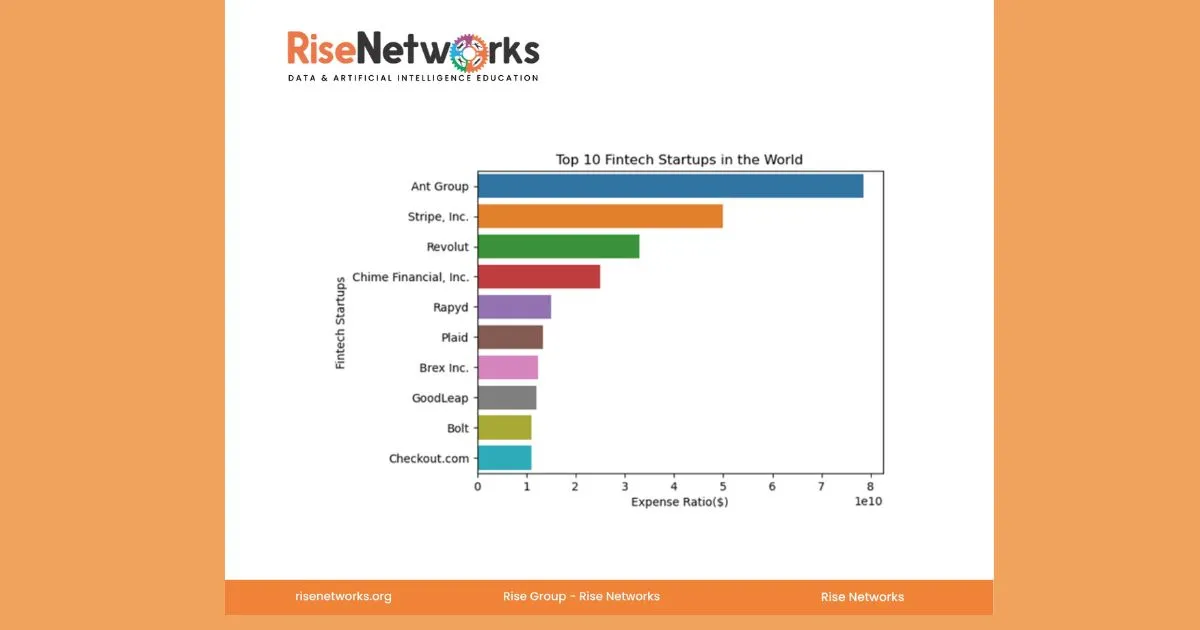
In recent years, the world of finance has undergone a radical transformation. As technology continues to evolve, a new wave of financial technology, or fintech, startups has emerged, redefining the traditional banking landscape. These startups leverage cutting-edge technology to deliver innovative solutions that cater to the needs of consumers and businesses alike. If you’re curious about how these fintech startups are changing banking forever, keep reading as we explore ten of the most influential players in the fintech arena.
What is Fintech?
Before diving into our list of innovative fintech startups, it’s important to understand what fintech actually entails. Fintech refers to the integration of technology into offerings by financial services companies to improve their use of financial services. Fintech can encompass everything from mobile banking apps to blockchain technology, and it aims to streamline, enhance, and democratize financial transactions.
Why Fintech Matters
The traditional banking system has long been synonymous with lagging innovation, high fees, and slow processes. Enter fintech startups, which have emerged to tackle these issues head-on. Not only are they providing users with seamless experiences and enhanced accessibility, but they are also forcing traditional financial institutions to rethink their approach to customer service and product offerings.
These startups focus on a variety of services such as payment processing, lending, insurance, and investment management. As the fintech landscape evolves, consumers are benefiting from reduced costs, increased transparency, and improved financial literacy. Let’s take a closer look at ten groundbreaking fintech startups that are altering the future of banking.
1. Robinhood: Making Investing Accessible
Overview
Founded in 2013, Robinhood burst onto the scene with a mission to democratize finance for all. By eliminating commission fees on stock trades and offering a user-friendly mobile app, Robinhood has attracted millions of users, particularly among younger generations.
Impact on Banking
Robinhood’s platform revolutionizes the way individuals invest, making it possible for anyone to enter the stock market without the burden of high fees. This accessible trading model is pushing traditional firms to reconsider their pricing structures and appeal to a younger audience that is increasingly investment-savvy.
2. Chime: Revolutionizing Personal Banking
Overview
Chime is redefining the way people think about banking with its online-only model that boasts no monthly fees, overdraft charges, or maintenance fees. With features such as automatic savings and direct deposit options, Chime appeals to a demographic seeking simplicity and transparency in their banking relationships.
Impact on Banking
Chime’s impressive growth has highlighted the demand for fee-free banking solutions. As they gain traction, traditional banks are being pushed to innovate and provide more attractive offerings to avoid losing customers to newer, tech-savvy players.
3. Stripe: Simplifying Payments for Businesses
Overview
Stripe started in 2010 with the goal of simplifying online payments. Today, it’s one of the most popular payment processors for online businesses, enabling companies to accept payments effortlessly.
Impact on Banking
By offering an easy-to-integrate API and excellent customer service, Stripe has transformed how e-commerce businesses handle transactions. Traditional banks are now feeling the pressure to provide streamlined payment solutions, leading to a trend of technological adoption in banking services.
4. Plaid: Bridging Financial Applications
Overview
Plaid acts as a connector between users’ bank accounts and various financial applications. This startup empowers developers to create apps that require secure, reliable financial data access from users’ banks.
Impact on Banking
By enabling the sharing of financial data, Plaid has made it simpler for startups to innovate in the fintech space. Traditional banks are now recognizing the importance of APIs and integrations to increase their relevance in a connected financial ecosystem.
5. Affirm: Simplifying Financing for Consumers

- Overcome negative thought patterns, reduce stress, and live a worry-free life
- Overthinking is the biggest cause of unhappiness
- Don't get stuck in a never-ending thought loop
- Stay present and keep your mind off things that don't matter, and never will
- Break free of your self-imposed mental prison
Overview
Affirm provides point-of-sale financing solutions that allow consumers to buy now and pay later. Unlike traditional credit cards, Affirm doesn’t charge hidden fees or penalty charges.
Impact on Banking
The rise of “buy now, pay later” services has encouraged banks and financial institutions to offer similar services. Affirm’s transparency in pricing has set a new standard in consumer financing, prompting traditional banks to enhance their offerings to compete.
6. Brex: Empowering Startups with Financial Tools
Overview
Brex is a financial platform designed specifically for startups and growing businesses. It offers corporate credit cards without requiring personal guarantees, along with powerful expense management tools.
Impact on Banking
Brex’s unique approach to business credit challenges conventional credit providers. As they rise in popularity, traditional banks are being called to action to accommodate the specific needs of startups and entrepreneurs.
7. SoFi: A Holistic Approach to Financial Wellness
Overview
SoFi, or Social Finance, started as a student loan refinancing company but has since expanded into a comprehensive personal finance platform that includes investing, insurance, and loan products.
Impact on Banking
By addressing multiple financial needs in one platform, SoFi is positioning itself as a one-stop-shop for users. Traditional banks are now competing with SoFi’s multifunctional approach, forcing them to rethink their own product diversification.
8. Square: Democratizing Commerce for All
Overview
Founded by Jack Dorsey and Jim McKelvey, Square started by providing small businesses with a simple way to accept card payments through a mobile device. The platform has since expanded to include a suite of financial services, including loans and payroll processing.
Impact on Banking
Square’s solutions have empowered countless small businesses, leading banks to rethink how they serve this vital sector. The focus on small business needs is drawing attention in the banking sector, prompting shifts in product offerings.
9. N26: Redefining Mobile Banking
Overview
N26 is a mobile banking platform that provides users with an intuitive app for managing their finances, complete with real-time notifications, spending analytics, and no hidden fees.
Impact on Banking
As a pioneer in mobile banking, N26 is setting a new norm for convenience and efficiency in banking services. Traditional banks are being challenged to enhance their mobile offerings to stay competitive.
10. Zelle: Instant Payments Made Easy
Overview
Zelle is a digital payment network that allows users to send and receive money instantly from their bank accounts. It is integrated into various banking apps, making peer-to-peer payments more convenient.
Impact on Banking
Zelle’s popularity has highlighted the demand for instantaneous banking solutions. Traditional banks have been compelled to either integrate similar functionalities or partner with fintech firms to meet consumer expectations.
Conclusion
These ten fintech startups are changing banking forever by prioritizing user experience and ensuring that financial services are accessible to all. The shift toward technology-driven finance has forced traditional banks to adapt to new consumer demands, leading to increased competition and innovation within the industry.
As we move toward a more technologically advanced society, the collaboration between fintech startups and traditional banks could pave the way for a more efficient and inclusive financial ecosystem. Whether you’re banking with a traditional institution or embracing the innovations of fintech, understanding these changes is essential for navigating the future of finance.
In an era where financial services are constantly evolving, one thing is clear: fintech startups will continue to shape the future of banking, challenging the status quo and creating new opportunities for consumers and businesses alike. How will you adapt to these changes? The future of banking is brighter than ever, and with it comes a wealth of possibilities!


