
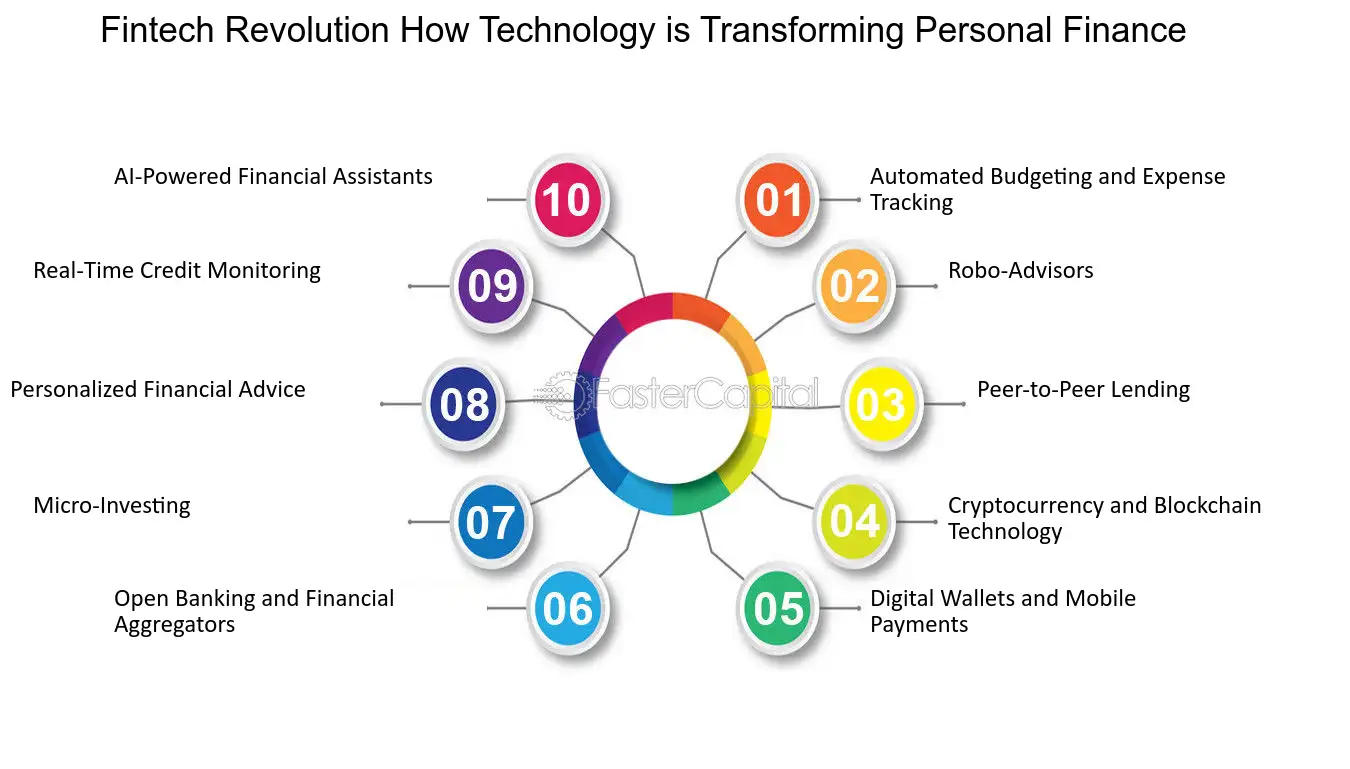
In today’s fast-paced digital world, technology has transformed nearly every aspect of our lives, and personal finance is no exception. The rise of fintech apps has not only redefined how individuals manage their finances but has also democratized access to financial tools and services. In this article, we’ll explore how fintech apps are revolutionizing personal finance, examining their benefits, features, and the impact they have on everyday money management.
Understanding Fintech Apps
Fintech, short for financial technology, refers to software and applications that are designed to improve and automate the delivery and use of financial services. These technologies enable consumers to manage their finances from the convenience of their smartphones or computers. Fintech apps cover a wide range of financial services, including budgeting, investing, lending, banking, and insurance.
Unlike traditional banks and financial institutions, fintech companies often prioritize user experience, accessibility, and efficiency. By leveraging cutting-edge technology, they offer innovative solutions that empower users to take control of their finances, make smarter decisions, and achieve their financial goals.
The Benefits of Fintech Apps
1. Accessibility and Convenience
One of the most significant advantages of fintech apps is that they are accessible anytime and anywhere. With just a smartphone, users can manage their bank accounts, track spending, and invest, simplifying the often-overwhelming nature of personal finance. Gone are the days of needing to visit a bank branch during business hours or poring over paper statements; everything you need is at your fingertips.
2. Budgeting Made Easy
Many fintech apps offer powerful budgeting features that help users understand their spending habits better. Through visual representations such as charts and graphs, these applications can categorize transactions, track expenses, and set spending limits. This level of transparency allows users to see where their money is going and make necessary adjustments, ultimately aiding in better financial planning.
3. Enhanced Financial Literacy
Fintech apps often come equipped with educational resources that help users improve their financial literacy. From budget creation tips to investment education, these tools provide invaluable information that empowers users to make informed financial decisions. As knowledge increases, users tend to experience greater confidence in managing their finances.
4. Real-Time Tracking
One of the standout features of fintech apps is real-time tracking of financial data. This immediacy allows users to see their account balances, expenditures, and investments as they happen. Many apps also send notifications for significant transactions, bill due dates, and budget overspending, helping users stay on top of their financial status at all times.
5. Competitive Fees and Interest Rates
Many fintech platforms offer lower fees, better interest rates, and competitive services compared to traditional banks. This means users can save money on transaction fees, account maintenance, and loan interest. As fintech companies aim to attract new customers, they often provide incentives like cash back, rewards, and promotions that make banking more appealing.
Key Features of Fintech Apps
1. Automated Savings
Automated savings features are a game changer for many users. Fintech apps can analyze spending patterns and automatically transfer small amounts into savings accounts, helping users build an emergency fund or save for specific goals without having to think about it. This hands-free approach to saving encourages disciplined financial habits.
2. Investment Opportunities
Fintech apps have democratized investing by making it accessible to the average Joe. Users can invest with little money upfront, often through fractional shares, and can choose from a variety of options including stocks, bonds, and ETFs. Many apps also offer robo-advisors, which use algorithms to create personalized investment plans based on user-defined goals and risk tolerance.
3. Peer-to-Peer Payment Systems
Peer-to-peer (P2P) payment apps like Venmo and Cash App have gained immense popularity in recent years. These platforms allow users to send and receive money effortlessly without the need for cash or checks. Whether splitting a dinner bill or paying rent, P2P systems have made transactions quick, secure, and convenient.
4. Credit Score Tracking
Understanding one’s credit score is vital for maintaining a healthy financial profile. Many fintech apps now offer free credit score tracking and insights, allowing users to monitor their credit health and gain insights into how to improve it. This feature not only improves financial literacy but also helps consumers make better credit decisions.
5. Personalized Financial Advice
Some fintech apps utilize artificial intelligence and machine learning to provide personalized financial advice tailored to individual user profiles. Whether it’s suggesting budget adjustments, recommending investments, or helping with debt management, these intelligent apps can guide users toward achieving their financial aspirations.

- Overcome negative thought patterns, reduce stress, and live a worry-free life
- Overthinking is the biggest cause of unhappiness
- Don't get stuck in a never-ending thought loop
- Stay present and keep your mind off things that don't matter, and never will
- Break free of your self-imposed mental prison
The Impact of Fintech on Traditional Banking
1. Increased Competition
The emergence of fintech apps has created fierce competition for traditional banks and financial institutions. Many customers now prefer the convenience, flexibility, and lower fees offered by fintech solutions, prompting banks to innovate and improve their services. This competition has led to enhanced offerings from banks, including improved digital platforms and customer service.
2. Collaboration and Integration
Rather than viewing fintech apps solely as competition, many traditional banks have chosen to embrace partnerships and collaborations. This integration allows banks to leverage the technology and innovations of fintech companies, providing customers with a more comprehensive financial experience. Services such as budgeting tools and investment platforms can be integrated into banks’ existing offerings.
3. Shift Towards Digital Banking
The COVID-19 pandemic accelerated the trend towards digital banking. Online transactions, mobile banking apps, and contactless payments became the norm. As a result, traditional banks are now investing heavily in digital infrastructure to accommodate changing consumer preferences and behavior.
4. Improved Customer Experience
The advent of fintech apps has forced traditional banks to reevaluate their customer experience. Many banks are now focusing on user-friendly interfaces, simplified processes, and enhanced customer support. By learning from fintech’s success, banks aim to provide a more seamless banking experience.
Overcoming Challenges in Fintech
1. Security Concerns
While the convenience of fintech apps is undeniable, security remains a significant concern for consumers. Cybersecurity threats and data breaches can compromise personal financial information. Trust is crucial to the success of fintech apps, and companies must invest in robust security measures to protect user data.
2. Regulatory Hurdles
Fintech companies often face a complex regulatory landscape that differs by location. Navigating compliance with financial regulations can be challenging, especially for startups trying to innovate. Consequently, many fintech companies work closely with regulators to ensure they adhere to necessary guidelines while still maintaining their innovative edge.
3. Financial Inclusion
While fintech apps are increasingly accessible, there’s a risk of leaving behind those who lack access to technology, such as low-income individuals or those without smartphones. To fully realize the benefits of fintech, providers must work towards enhancing access across various demographics, ensuring that financial services are inclusive for all.
Future of Fintech and Personal Finance
As technology continues to evolve, the future of fintech apps and personal finance looks promising. Emerging technologies such as artificial intelligence, machine learning, and blockchain will further enhance the capabilities and security of fintech solutions.
1. Artificial Intelligence Integration
AI will play a vital role in personal finance apps by providing users with personalized experiences, predicting spending habits, and offering tailored recommendations. These smart insights will guide users toward making better financial decisions.
2. Decentralized Finance (DeFi)
The rise of decentralized finance (DeFi) represents another significant shift in finance. DeFi platforms leverage blockchain technology to offer financial products without traditional intermediaries. This open and transparent approach could change the way users access financial services, creating opportunities for more innovation and cost savings.
3. Continued Emphasis on Financial Literacy
As fintech apps gain popularity, the importance of financial literacy cannot be overstated. Users must understand both the features and potential risks of using these apps. Future fintech solutions will likely include even more educational resources aimed at improving users’ financial knowledge and confidence.
4. Sustainability and Ethical Finance
With growing consumer awareness surrounding social responsibility and sustainability, fintech companies are likely to prioritize ethical finance practices. This trend could lead to the development of apps that focus on environmentally friendly investing and promoting socially responsible financial choices.
Conclusion
Fintech apps are undeniably revolutionizing personal finance by making it more accessible, user-friendly, and efficient. With their innovative features and competitive offerings, they are reshaping the way individuals interact with their money. While challenges remain, the future of fintech in personal finance is bright, promising an era of unprecedented convenience, empowerment, and financial literacy. Whether you’re looking to budget better, invest wisely, or simply take control of your finances, the right fintech apps can help you achieve your goals and revolutionize your relationship with money.
Take the plunge today, and explore the myriad of fintech solutions at your disposal—you just might find your financial future right in your pocket!


