
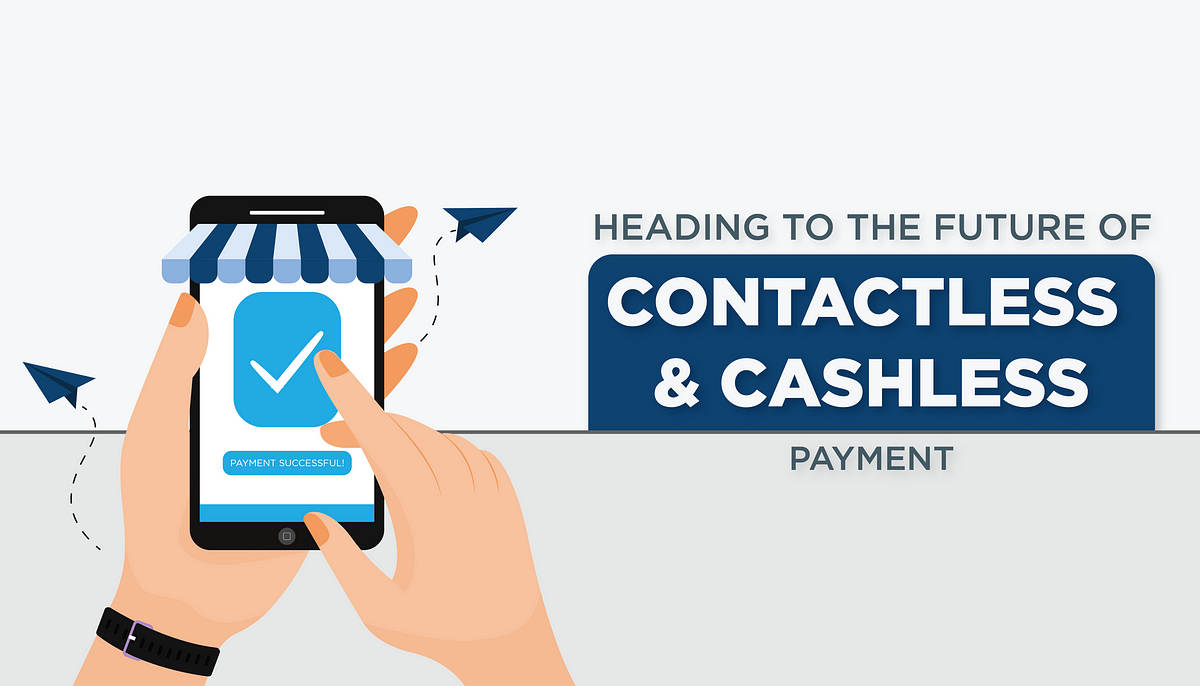
In recent years, we’ve witnessed a revolution in how we pay for goods and services. As technology accelerates, contactless payments have emerged as a favored method of transactions for millions of consumers around the globe. The pandemic has further catalyzed this shift, with health and safety concerns prompting many to favor contactless methods over cash or traditional card swipes. But what does the future hold for contactless payments in an increasingly cashless world?
The Rise of Contactless Payments
To understand the future, let’s first take a look at what contactless payments are and how they’ve evolved. Contactless payments use Near Field Communication (NFC) technology, allowing consumers to make transactions quickly and securely with just a tap of their smartphone, smartwatch, or contactless-enabled card.
In the United States, contactless payments began gaining traction around 2015. By 2020, the COVID-19 pandemic sparked an increased demand for safer transaction methods, leading to an expansive growth of contactless payments. According to research from various financial institutions, more than half of U.S. consumers used contactless payments by late 2021, and that number has only continued to grow.
The Benefits of Going Cashless
-
Convenience
One of the primary reasons consumers are opting for contactless payments is convenience. With just a tap or a swipe, payments can be made in seconds, eliminating the need for cash handling or entering a PIN in crowded settings, which enhances the overall shopping experience. -
Speed
Contactless transactions are typically quicker than traditional methods. Businesses benefit from faster checkouts, leading to shorter lines and improved customer satisfaction. This means that stores can handle more customers in less time, ultimately driving sales. -
Enhanced Security
Contactless payments come with a bevy of security features designed to protect consumers. Most contactless transactions employ tokenization, meaning sensitive information isn’t sent with the payment. Furthermore, many mobile wallets require biometric authentication, such as fingerprints or facial recognition, adding another layer of security against fraudulent activities. -
Hygienic Transactions
The pandemic prompted consumers to rethink the hygiene of their payment methods. Contactless payments reduce physical contact, making them more appealing in a time when everyone is trying to minimize surface exposure.
What Lies Ahead: Trends and Innovations in Contactless Payments
As we move forward, several trends signal exciting advancements in contactless payments.
1. Integration with Emerging Technologies
One of the most promising avenues for the future of contactless payments is the integration with emerging technologies, such as Artificial Intelligence (AI) and blockchain. AI can enhance fraud detection by analyzing user patterns and improving user experience by personalizing payment options.
Blockchain technology, on the other hand, can provide greater transparency and security for transactions, eliminating the need for intermediaries. As more consumers become informed about cryptocurrencies and decentralized finance, the merging of these technologies with contactless payments could reshape the financial landscape.
2. Tap-to-Pay Growth in Retail and Beyond
Retail is actively embracing contactless payments, with many stores installing NFC terminals to accommodate this growing trend. However, the adoption of contactless payments isn’t limited to traditional retail; industries like transportation, hospitality, and even vending machines are increasingly enabling tap-to-pay options. The transportation sector, for example, has already seen public transit systems like San Francisco’s Bay Area Rapid Transit (BART) implement mobile payment solutions.
3. Rise of Digital Wallets
Digital wallets, such as Apple Pay, Google Wallet, and Samsung Pay, have experienced exponential growth and user adoption over the last few years. With the touch of a button, consumers can store multiple cards, loyalty programs, and even boarding passes on their smartphones. The versatility of digital wallets not only supports contactless payments but also enhances the entire consumer experience.
4. Peer-to-Peer Payment Systems
Peer-to-peer (P2P) payment platforms like Venmo, Cash App, and Zelle have gained significant traction, particularly among younger consumers. These platforms will likely continue to evolve, offering easier methods to split bills, send money to friends, and even patronize local businesses. The integration of P2P systems with contactless technology may usher in a new era of wallet-free transactions.

- Overcome negative thought patterns, reduce stress, and live a worry-free life
- Overthinking is the biggest cause of unhappiness
- Don't get stuck in a never-ending thought loop
- Stay present and keep your mind off things that don't matter, and never will
- Break free of your self-imposed mental prison
Adapting to the Change: Consumer Behavior
With many consumers warmly welcoming contactless payments, businesses need to take note. It’s vital that merchants adapt to changing consumer behavior and offer contactless solutions. This usually involves investing in updated payment terminals, training staff to assist customers properly, and promoting various payment options.
1. Consumer Education
One of the barriers to widespread adoption of contactless payments is consumer apprehension. Many individuals are unaware of how contactless transactions work or may have misconceptions about security risks. Educational campaigns can help inform consumers, highlighting the advantages of these innovative payment solutions.
2. Accessibility Initiatives
As businesses update their technology, prioritizing accessibility becomes crucial. The integration of contactless payments should be inclusive to accommodate all age groups and demographics. By ensuring that older generations and less tech-savvy consumers can enjoy the benefits of contactless options, businesses will expand their customer base.
The Global Perspective: A Cashless Society
The trend towards a cashless society isn’t limited to the United States. Countries like Sweden, China, and Canada have been pioneers in adopting cashless payments. In Sweden, cash transactions declined so drastically that some banks stopped accepting cash entirely. Meanwhile, China’s Alipay and WeChat Pay have transformed the payment landscape, with a staggering number of transactions taking place daily through these platforms.
In a global context, the transition to cashless societies is reshaping economies. Digital currencies are now being tested as states explore Central Bank Digital Currencies (CBDCs). As progress continues, nations must consider the socio-economic implications of a cashless world, ensuring that the benefits of digital payment systems are accessible to everyone.
Challenges Ahead: Security, Privacy, and Digital Divide
While the future of contactless payments looks promising, some challenges need to be addressed as we move closer to a cashless world.
-
Security Concerns
Despite their inherent security measures, concerns around data breaches and identity theft remain. The financial industry must continue to invest in robust encryption and anti-fraud technologies to protect consumers. -
Privacy Issues
With an increase in digital transactions comes the potential for privacy exploitation. Tracking consumer spending patterns can lead to unwanted targeted marketing and personal data misuse. Businesses must develop transparent policies that respect privacy rights while still utilizing data for legitimate purposes. -
The Digital Divide
The move toward a cashless society risks marginalizing those without access to digital devices or bank accounts. To ensure equity, initiatives must be implemented to support those in financially underserved communities, allowing them to participate in the evolving economy.
Conclusion: Embracing the Future of Payments
The future of contactless payments is promising, filled with innovations and transformative experiences that could revolutionize how we transact. As consumers, businesses, and policymakers navigate this shift, collaboration will be essential to ensure security, accessibility, and trust in digital payments.
As we embrace the convenience and efficiency of contactless payments, let’s prepare for the possibilities that lie ahead. A cashless world isn’t just an emerging trend; it’s a movement that could redefine financial transactions, benefiting not only consumer experience but also shaping economies for years to come.
In this exciting era, it’s essential to stay informed, adapt to new technology, and prioritize inclusivity to ensure that the transition to a cashless world is a shared success. The journey is just beginning, and we must be ready to tap into the future!
By understanding these dynamics, avid travelers, tech enthusiasts, and everyday consumers alike can approach the future of contactless payments with excitement and anticipation. Are you ready to take the plunge into the cashless economy? The future awaits!


