
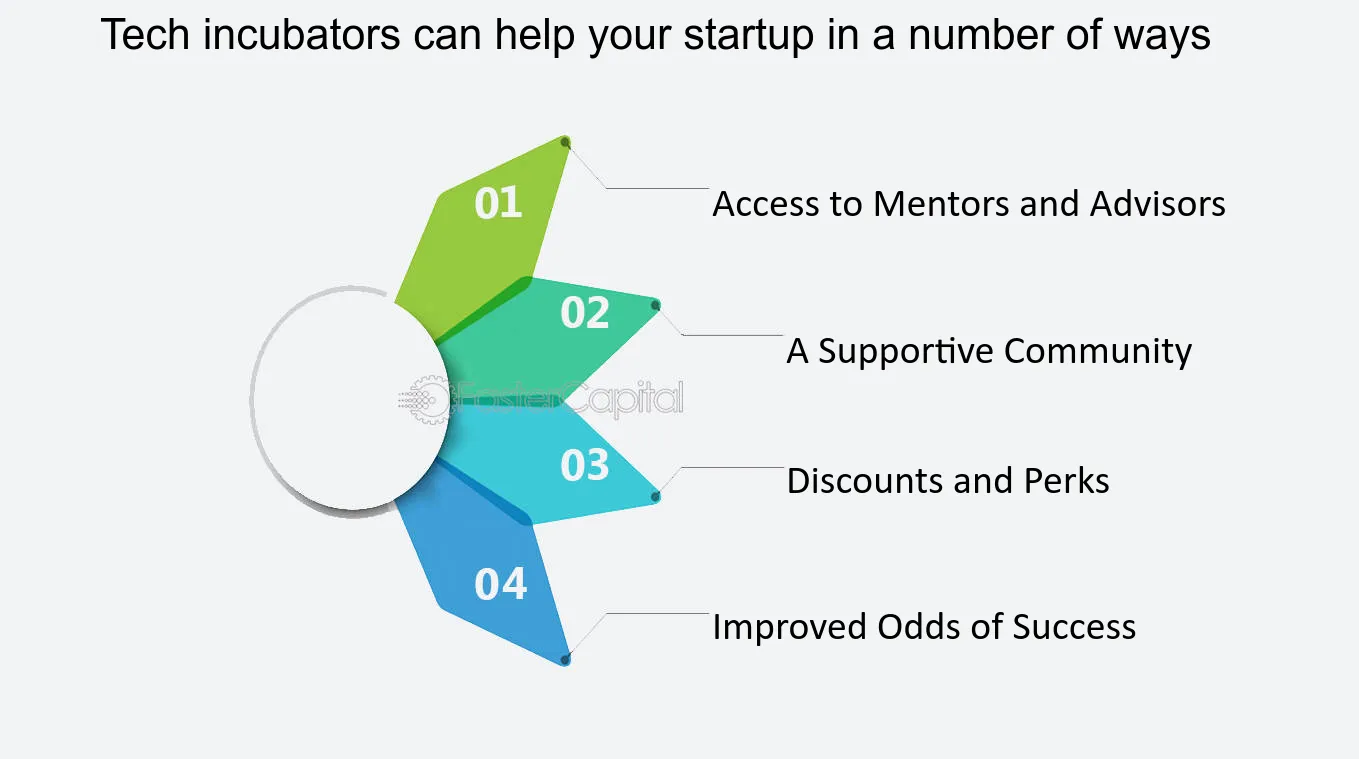
In the fast-paced world of entrepreneurship, startups often face a multitude of challenges, from funding to market entry. However, a growing trend is emerging that addresses these concerns: tech incubators. These specialized organizations provide invaluable resources, mentorship, and networking opportunities aimed at nurturing budding enterprises. In this article, we’ll explore how tech incubators are helping startups succeed, their benefits, and what you need to know if you’re considering joining one.
What Are Tech Incubators?
Tech incubators are organizations that help grow new ventures by providing a supportive environment that often includes office space, resources, mentorship, and, potentially, funding. Unlike accelerators—which typically focus on fast-tracking established startups—incubators often engage with entrepreneurs at an earlier stage of development.
These incubators may focus on specific industries, such as technology, health care, or environmentalism, targeting entrepreneurs who align with their niche. Through a combination of structured programs and tailored support, tech incubators aim to help startups refine their business models, develop viable products, and ultimately secure financing to bring their visions to life.
The Benefits of Joining a Tech Incubator
1. Access to Resources
One of the primary advantages of being part of a tech incubator is access to resources. This includes everything from office space and administrative support to legal advice and accounting services. In many cases, startups can leverage these resources to cut costs and focus on what truly matters: scaling their business.
2. Mentorship and Guidance
Navigating the complexities of the startup world can be daunting. Tech incubators often connect entrepreneurs with experienced mentors who can provide invaluable insights into various aspects of running a business. These mentors typically have industry experience and can offer advice on product development, marketing strategies, financial planning, and more.
3. Networking Opportunities
Establishing a robust network is crucial for any startup. Incubators create ecosystems where entrepreneurs can meet potential partners, customers, and investors. By mingling with like-minded individuals and industry professionals, startups can open doors that may otherwise remain closed.
4. Funding Opportunities
While not all tech incubators provide direct funding, many have relationships with investors who are looking for promising startups. Being part of an incubator can enhance a startup’s credibility, making it easier to attract funding. Additionally, some incubators offer seed funding as part of their programs.
5. Learning Environment
An incubator provides a dynamic learning environment where entrepreneurs can develop both personally and professionally. Workshops, seminars, and pitch events are common, giving startups the opportunity to acquire new skills and enhance their knowledge base.
6. Structured Support
Starting a business can often feel chaotic, but tech incubators offer a structured approach to growth. Many have rigorous programs that guide startups through critical phases of development, ensuring they hit key milestones and remain focused on their objectives.
Success Stories: Startups That Thrived in Tech Incubators
1. Dropbox
Dropbox is a prime example of a startup that benefited from an incubator. Founded in 2007, Dropbox participated in the Y Combinator accelerator program, which provided essential guidance and funding. The mentoring and resources offered allowed the company to scale rapidly, ultimately making it a household name in file storage and sharing.

- Overcome negative thought patterns, reduce stress, and live a worry-free life
- Overthinking is the biggest cause of unhappiness
- Don't get stuck in a never-ending thought loop
- Stay present and keep your mind off things that don't matter, and never will
- Break free of your self-imposed mental prison
2. Airbnb
Airbnb was initially founded in 2008, and the co-founders participated in the Y Combinator program. With the help of mentors and investors, they refined their business model and expanded their platform. Today, Airbnb has transformed the travel industry, enabling millions to find unique accommodations worldwide.
3. Reddit
Reddit, a community-driven platform for discussions, was also born out of Y Combinator. The founders leveraged the resources, mentorship, and funding from the incubator to successfully develop and grow their platform into one of the most visited websites on the internet.
4. Coinbase
Founded in 2012, Coinbase started as a project within the Y Combinator ecosystem. The guidance from the incubator, particularly in terms of navigating regulatory challenges and attracting users, helped Coinbase become one of the leading cryptocurrency exchanges in the world.
How to Choose the Right Tech Incubator
Selecting the right tech incubator can make a significant difference in your startup’s journey. Here are some key factors to consider when evaluating your options:
1. Focus Area
Identify incubators that align with your industry or the specific challenges you face. For instance, if you’re in the health tech space, seek out incubators that specialize in healthcare innovation.
2. Mentorship Quality
Look into the backgrounds of mentors associated with the incubator. Their experience, industry connections, and willingness to engage with startups are crucial for your venture’s success.
3. Funding Opportunities
Assess the funding opportunities available within the incubator. Some may only provide networking with investors, while others might offer direct financial support.
4. Success Stories
Investigate the success rates of startups that have previously participated in the incubator. Familiarize yourself with the accomplishments of former cohorts to gauge the effectiveness of the program.
5. Community and Culture
A supportive community can significantly enhance your experience. Attend events or meetups to get a sense of the organizational culture. The right incubator will have a collaborative and encouraging environment.
Conclusion
Tech incubators are revolutionizing the way startups are cultivated and nurtured. They provide essential resources, mentorship, networking opportunities, and structured support that can dramatically enhance a startup’s chances of success. As the entrepreneurial landscape continues to evolve, tech incubators are likely to play an even larger role in shaping the future of innovation.
If you’re an aspiring entrepreneur, considering joining a tech incubator could be one of the best decisions you make as you embark on your journey. By equipping yourself with the right resources and building a strong support network, you can tackle the challenges of starting a business head-on and accelerate your path to success.
In summary, tech incubators are more than just a trend—they are a vital resource in today’s competitive startup ecosystem. From funding to mentorship, the benefits they offer can be the deciding factor in whether a startup thrives or fizzles out. Take the time to research and find the best fit for your unique needs, and embark on what could be the most rewarding journey of your professional life!


