
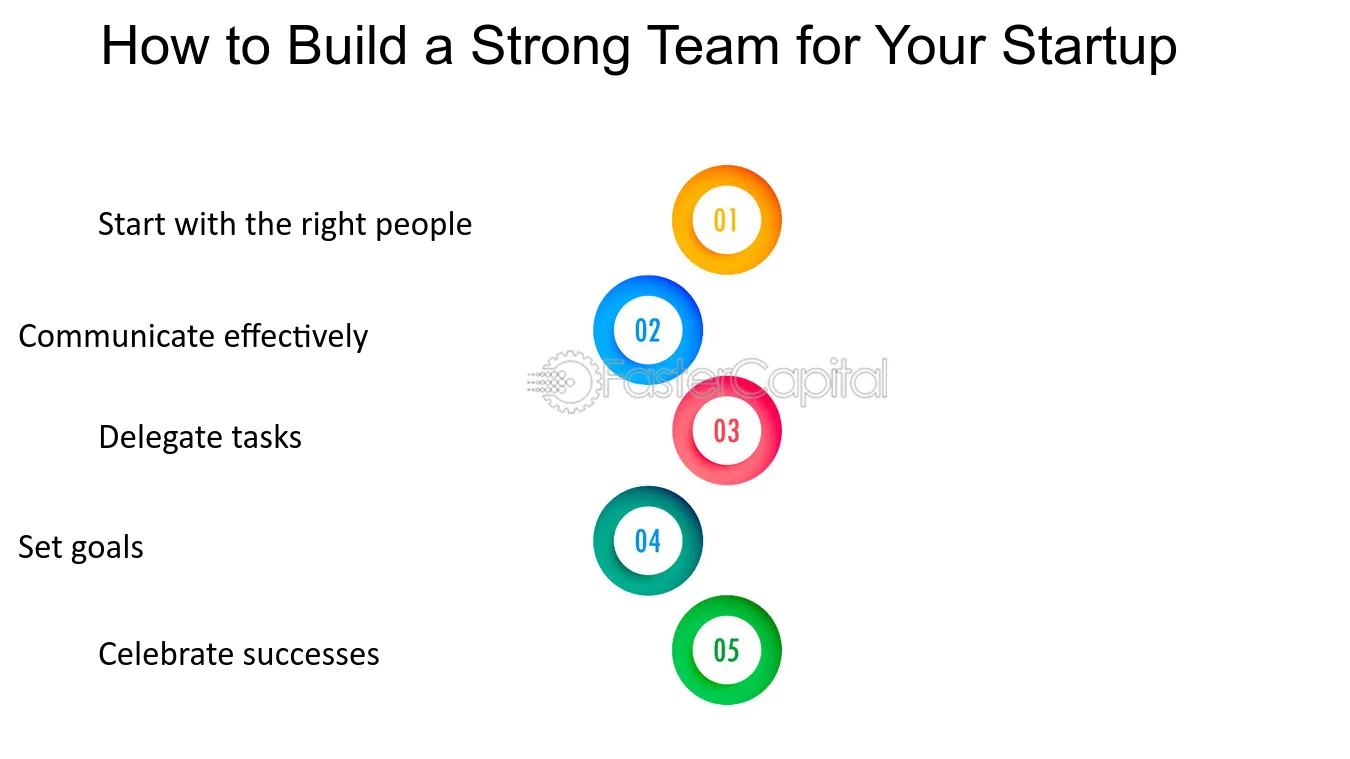
As the startup landscape continues to evolve rapidly, entrepreneurs face the challenge of building effective teams that can navigate an ever-changing environment. By 2025, the dynamics of remote work, technological advancements, and shifting cultural expectations will play significant roles in how startups operate. If you’re a budding entrepreneur or an experienced founder looking to solidify your game plan, understanding how to build a strong startup team is vital for your company’s success. In this article, we’ll explore key strategies and insights to help you assemble a cohesive and high-performing team that drives innovation and growth.
Understanding the Modern Startup Ecosystem
Before diving into strategies for team building, it’s essential to grasp the current landscape of startups. The rise of remote work, driven largely by the COVID-19 pandemic, has transformed traditional methods of collaboration. In addition, the demand for tech-savvy professionals has skyrocketed, meaning that hiring the right talent has never been more competitive.
Moreover, as consumer preferences evolve, startups need to be agile and adaptable. Building a team in this new age means prioritizing diversity, inclusivity, and the ability to pivot in response to emerging trends. Understanding this ecosystem is crucial as you move forward with your startup journey.
The Importance of a Strong Startup Team
A strong startup team serves as the backbone of your business. Teamwork enhances creativity, improves problem-solving abilities, and accelerates project timelines. In a startup environment, where every decision carries weight, having a committed and skilled team can make or break your venture.
-
Innovation and Creativity: A well-rounded team that fosters collaboration encourages innovative thinking. Diverse perspectives lead to more creative solutions and a deeper understanding of product-market fits.
-
Agility and Adaptability: In fast-paced industries, a cohesive team can quickly respond to market changes. When team members trust each other and communicate effectively, they adapt strategies as needed without losing momentum.
-
Cultural Fit and Morale: Building a strong startup team involves more than hiring individuals with the right skills. Team members should embody the company’s culture and values to create a harmonious work environment. This improves morale and reduces employee turnover.
-
Shared Vision: A strong team shares a common vision for the startup. When everyone is aligned with the company’s mission, it inspires passion and commitment to collective goals.
Key Steps to Build a Strong Startup Team in 2025
1. Clearly Define Your Mission and Values
Before you can begin to recruit, it’s essential to have a well-defined mission and set of core values. This foundation will guide your hiring decisions and shape the culture of your startup. A clear mission not only attracts like-minded individuals but also keeps your team aligned and motivated.
- Craft a Vision Statement: Include long-term goals and aspirations for your startup.
- Establish Core Values: Define values that resonate with your team, such as integrity, innovation, collaboration, or customer-centricity.
2. Embrace Diversity and Inclusion
In 2025, building a diverse and inclusive team is no longer optional but a necessity. Different backgrounds and perspectives lead to richer ideas and help foster a more innovative workplace. A diverse team is equipped to tackle a wider range of problems and appeal to a broader audience.
- Broaden Your Talent Pool: Actively seek candidates from a variety of demographics and cultures. Consider using platforms that promote diversity hiring.
- Create an Inclusive Environment: Promote practices that ensure all team members feel valued and respected, fostering a sense of belonging.
3. Focus on Remote Work Strategies
The future of work is leaning heavily toward hybrid and remote setups. To thrive under this model, it’s important to establish policies and technologies that support remote collaboration.
- Invest in Collaboration Tools: Utilize software like Slack, Zoom, and project management tools to streamline communication.
- Set Clear Expectations: Define roles, responsibilities, and performance metrics to maintain accountability among remote team members.
4. Hire for Potential, Not Just Experience
While skills and experience are important, hiring for potential is equally crucial, especially in the fast-paced startup world. Look for candidates who display continuous learning, adaptability, and a passion for growth.
- Conduct Behavioral Interviews: Use situational questions to evaluate how candidates respond to challenges.
- Encourage Personal Development: Foster a culture where team members can pursue training and educational opportunities, which not only benefits them but also the startup as a whole.

- Overcome negative thought patterns, reduce stress, and live a worry-free life
- Overthinking is the biggest cause of unhappiness
- Don't get stuck in a never-ending thought loop
- Stay present and keep your mind off things that don't matter, and never will
- Break free of your self-imposed mental prison
5. Foster Strong Communication
Effective communication is vital for any team, but it holds particular weight in a startup. Establishing open channels for feedback and discussion can minimize misunderstandings and ensure everyone is on the same page.
- Regular Check-Ins: Schedule one-on-ones and team meetings to facilitate discussions about progress, roadblocks, and developments.
- Use Technology Wisely: Leverage communication platforms to create a transparent flow of information. This is crucial for remote teams to maintain strong connections.
6. Encourage Team Collaboration and Bonding
Team-building activities can strengthen interpersonal relationships and foster a sense of community. Create opportunities for your team to collaborate outside of work tasks.
- Organize Retreats or Virtual Hangouts: Invest time in team-building exercises that can promote relationships and develop trust.
- Offer Collaboration Projects: Encourage cross-functional projects that allow team members to work together and learn from one another.
7. Create Opportunities for Growth
Employees are more likely to stay with a startup that invests in their career development. By providing opportunities for growth, you can boost retention rates and create a more satisfied workforce.
- Mentorship Programs: Pair seasoned employees with newcomers to create a knowledge-sharing environment.
- Learning Resources: Offer access to online courses, workshops, or seminars relevant to your industry.
8. Be Open to Change and Feedback
In a startup, the ability to pivot is critical for long-term success. Encourage a culture of adaptability and welcome feedback from your team.
- Create Feedback Loops: Regularly solicit input from team members about processes, projects, and culture. Use surveys or suggestion boxes to give all team members a voice.
- Embrace Change: Be willing to adjust your strategies based on team feedback and the evolving landscape of your industry.
9. Build a Strong Onboarding Experience
An effective onboarding process can set the tone for new hires. A positive experience instills a sense of belonging and decreases early turnover.
- Create a Structured Onboarding Plan: Outline clear steps for new hires, including introductions to key team members and training schedules.
- Solicit Feedback on the Onboarding Process: After a new member has completed their onboarding, ask for their insights to continually improve the experience.
10. Recognize and Celebrate Achievements
Creating an environment where accomplishments are recognized can uplift morale and foster loyalty among team members.
- Establish Recognition Programs: Implement regular awards or shout-outs for individual or team accomplishments.
- Celebrate Milestones Together: Whether it’s project completions or personal achievements, take time to acknowledge successes collectively.
Conclusion: A Strong Team Is Your Startup’s Greatest Asset
Building a strong startup team in 2025 requires intentionality, adaptability, and a deep understanding of the modern employment landscape. By focusing on these strategies—clarifying your mission, embracing diversity, facilitating effective communication, and nurturing a culture of growth—you pave the way for a cohesive, innovative team.
This journey can be challenging, but the reward is well worth the effort. A high-performing team is not just an asset; it’s a catalyst for success that can propel your startup to new heights. Invest in your team today for a prosperous and sustainable future in tomorrow’s business landscape.
Embrace these strategies, lead with empathy, and watch as your startup flourishes with a dynamic team prepared to tackle the challenges of the future head-on. Building a strong startup team isn’t just about hiring the right people; it’s about creating an environment where they can thrive, innovate, and grow together. So, are you ready to take your startup to the next level? The time to act is now!


