
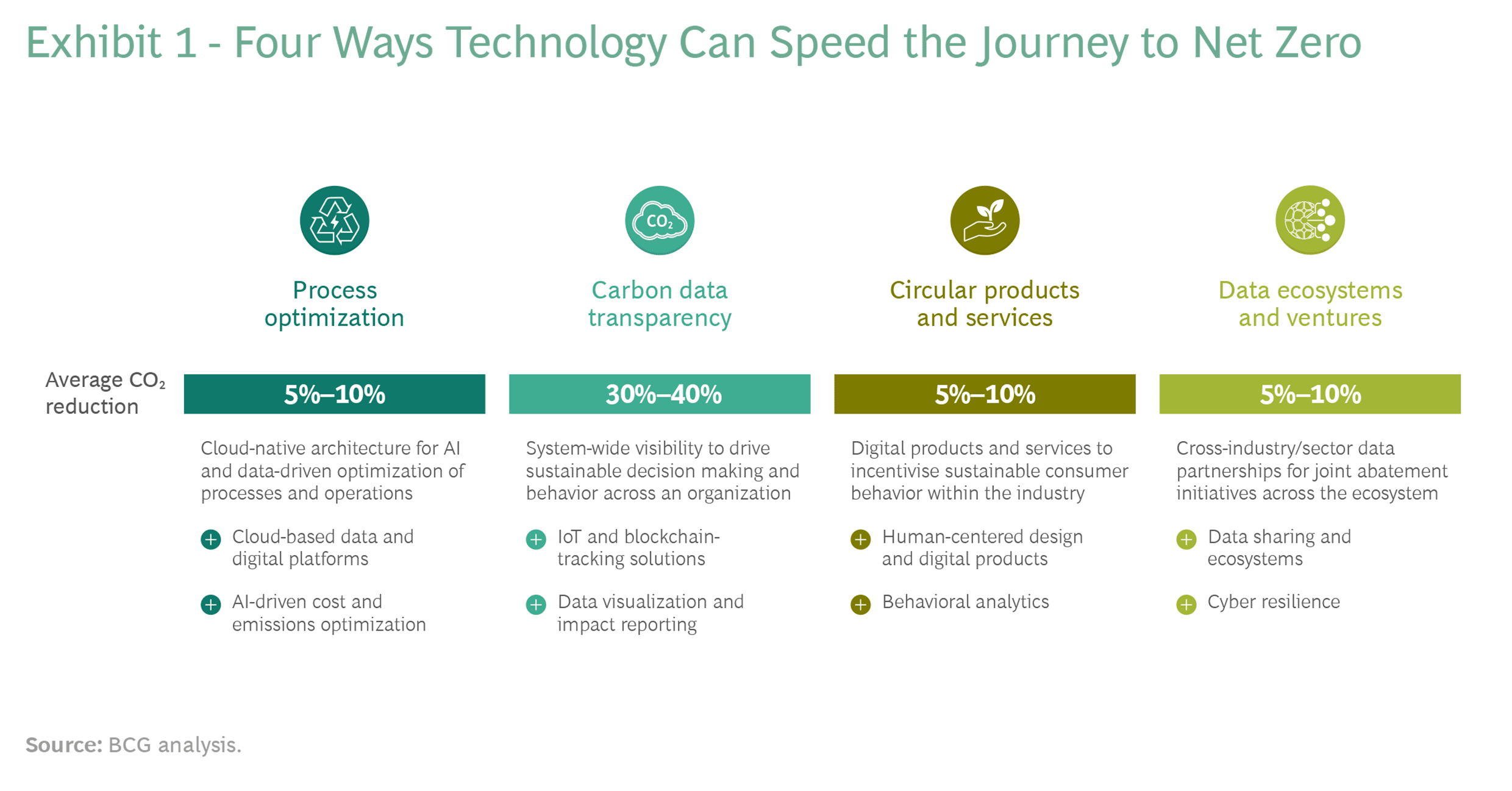
In an age where climate change and environmental degradation are hot topics, the business landscape is rapidly transforming. Companies across various sectors are embracing sustainability not merely as a buzzword but as a vital component of their operational strategies. At the forefront of this paradigm shift is technology, which is profoundly influencing how businesses adapt and thrive in an eco-conscious world. This article explores the intersection of technology and sustainability, focusing on how these innovations drive greener practices in the travel industry—a sector that significantly contributes to global carbon emissions.
The Travel Industry’s Environmental Footprint
Before delving into the role of technology, it’s essential to examine the travel industry’s impact on the environment. According to the United Nations World Tourism Organization (UNWTO), tourism accounts for approximately 8% of global carbon emissions. This staggering statistic underscores the urgent need for the industry to adopt sustainable practices.
As travelers become more aware of their environmental footprint, there’s growing pressure on companies to implement sustainable practices. Fortunately, technology has stepped in with innovative solutions that can reduce waste, conserve energy, and improve overall efficiency. Let’s explore some of these technological advancements reshaping the travel landscape.
Smart Energy Management Systems
One of the most significant breakthroughs in sustainable business practices is the implementation of smart energy management systems. These systems use advanced sensors and analytics to monitor energy consumption in real-time, allowing hotels, airlines, and travel companies to optimize their energy use.
For example, hotels can program heating and cooling systems to adjust based on real-time occupancy data. By reducing energy consumption during off-peak hours, hotels not only save money but also lower their carbon emissions. As a result, eco-conscious travelers now have ample options for accommodations that prioritize energy efficiency, making it easier to align their travel choices with their values.
Digital Solutions for Reduced Waste
Waste management is a critical issue for the travel industry. Alternatively, digital solutions are being harnessed to minimize waste—from paperless tickets to digital itineraries. Airlines and travel agencies now offer mobile apps that allow travelers to access tickets, boarding passes, and itineraries directly from their smartphones, reducing the need for paper and plastic printouts.
Moreover, hotels are adopting technology-driven waste management solutions. By employing IoT (Internet of Things) devices, establishments can track waste production and identify areas for improvement. Smart bins equipped with sensors can notify staff when they need emptying, leading to more efficient waste collection routes and reduced carbon emissions from collection vehicles.
Sustainable Transportation Innovations
Transportation is one of the largest contributors to carbon emissions in the travel sector, but technology is paving the way for more sustainable options. Electric vehicles (EVs) are gaining traction, with major car rental companies expanding their fleets to include electric and hybrid options. This allows travelers to reduce their carbon footprint while enjoying the convenience of car rentals.
Moreover, advancements in public transportation are encouraging travelers to opt for greener options. Cities are investing in electric buses, ridesharing programs, and enhanced bike-sharing schemes equipped with GPS technology. These innovations not only facilitate lower emissions but also promote a more seamless travel experience for eco-conscious tourists.
Embracing Renewable Energy
As the conversation around sustainability evolves, the importance of incorporating renewable energy cannot be overstated. Many businesses in the travel sector are turning to solar, wind, and geothermal energy to power their operations. Airlines, hotels, and resorts are increasingly investing in renewable energy sources as a long-term strategy to reduce dependence on fossil fuels.
Some airlines are even exploring biofuels as an alternative to traditional jet fuel. Companies like Alaska Airlines are pioneering the use of sustainable aviation fuel (SAF) derived from renewable sources, significantly lowering their carbon emissions. This commitment not only helps the environment but positions these companies as leaders in the quest for sustainable travel.
Virtual Reality: Traveling with a Smaller Footprint
Virtual reality (VR) technology is emerging as an innovative tool in promoting sustainable travel. By allowing individuals to experience destinations virtually, travel companies can reduce the need for physical travel while providing customers with unforgettable experiences. This technology is particularly beneficial for tourism in fragile ecosystems.
Imagine exploring the Great Barrier Reef through VR before committing to a physical visit. Such experiences allow travelers to appreciate the beauty of these destinations without contributing to overcrowding or environmental degradation. As the technology continues to develop, we can expect to see increased offerings of virtual travel experiences that inspire earth-friendly tourism while minimizing environmental impacts.

- Overcome negative thought patterns, reduce stress, and live a worry-free life
- Overthinking is the biggest cause of unhappiness
- Don't get stuck in a never-ending thought loop
- Stay present and keep your mind off things that don't matter, and never will
- Break free of your self-imposed mental prison
Eco-Friendly Apps and Platforms
Numerous applications are now available to help travelers make environmentally conscious choices. Platforms like “Green Key” and “EarthCheck” provide certifications for hotels based on their sustainable practices. Travelers can easily identify eco-friendly accommodations by simply looking for these labels on booking platforms.
Additionally, there are apps that help travelers offset their carbon emissions. Services like “Calculate My Carbon” allow users to measure their footprint based on the distance they travel, helping them understand the environmental impact of their choices. With these tools at their fingertips, travelers can now make informed decisions that align with their sustainability goals.
The Role of Artificial Intelligence
Artificial Intelligence (AI) is another key player in enhancing business sustainability in the travel sector. By analyzing large sets of data, AI can provide insights into customer preferences, energy usage, and even waste production. These insights can help travel companies improve their strategies, ensuring they remain sustainable while maximizing profitability.
Chatbots and virtual assistants powered by AI are revolutionizing customer service in travel. These systems can handle inquiries and provide recommendations that consider sustainability factors, guiding travelers toward greener choices for their journeys. From suggesting eco-friendly restaurants to recommending sustainable tours, AI is transforming the travel experience by putting sustainability front and center.
The Future of Sustainable Travel
As we gaze into the future of sustainable travel, the collaboration between technology and sustainability will only deepen. The global pandemic has showcased the importance of nature and the need for a sustainable tourism model. The travel industry is poised to rebuild with sustainability at its core.
Travelers are increasingly scrutinizing companies’ environmental commitments before making bookings. As a result, brands that prioritize sustainable practices will likely gain a competitive edge, appealing to the growing number of eco-conscious adventurers.
Moreover, innovations like blockchain technology can bring transparency to the supply chain. This technology allows consumers to track the sustainability credentials of the products and services they purchase, providing additional motivation for companies to maintain eco-friendly practices.
Traveling Responsibly: A Call to Action
While technology plays a crucial role in driving sustainability in the travel industry, responsibility doesn’t rest solely on companies. Travelers also have a role to play. By choosing eco-friendly accommodations, utilizing sustainable transportation methods, and supporting local businesses, tourists can contribute to positive change.
Travelers should embrace the mindset of “leave no trace,” ensuring they minimize their impact on the environments they visit. This includes simple actions such as reducing plastic usage, respecting wildlife, and supporting conservation efforts. The collective effort of both businesses and travelers can contribute significantly to a more sustainable future for the travel industry.
Conclusion: The Journey Continues
The intersection of technology and sustainability is not merely a trend but a transformative movement in the travel industry. Through smart energy management, digital solutions, renewable energy adoption, and innovations like AI and VR, businesses are redefining their operations to be more eco-friendly. The choices travelers make will contribute to this effort, pushing the industry toward more sustainable practices.
As you plan your next trip, remember that the choices you make can significantly impact the places you visit. Embrace the opportunity to explore the world responsibly while benefiting from the incredible technological advancements shaping a sustainable future in the travel industry. Together, we can ensure that our wanderlust doesn’t come at the cost of our planet.
With technology driving sustainability, the travel industry stands at the cusp of a revolution, ready to welcome a new era where exploration and environmental stewardship go hand in hand. Are you ready to join the journey towards sustainable travel?


