
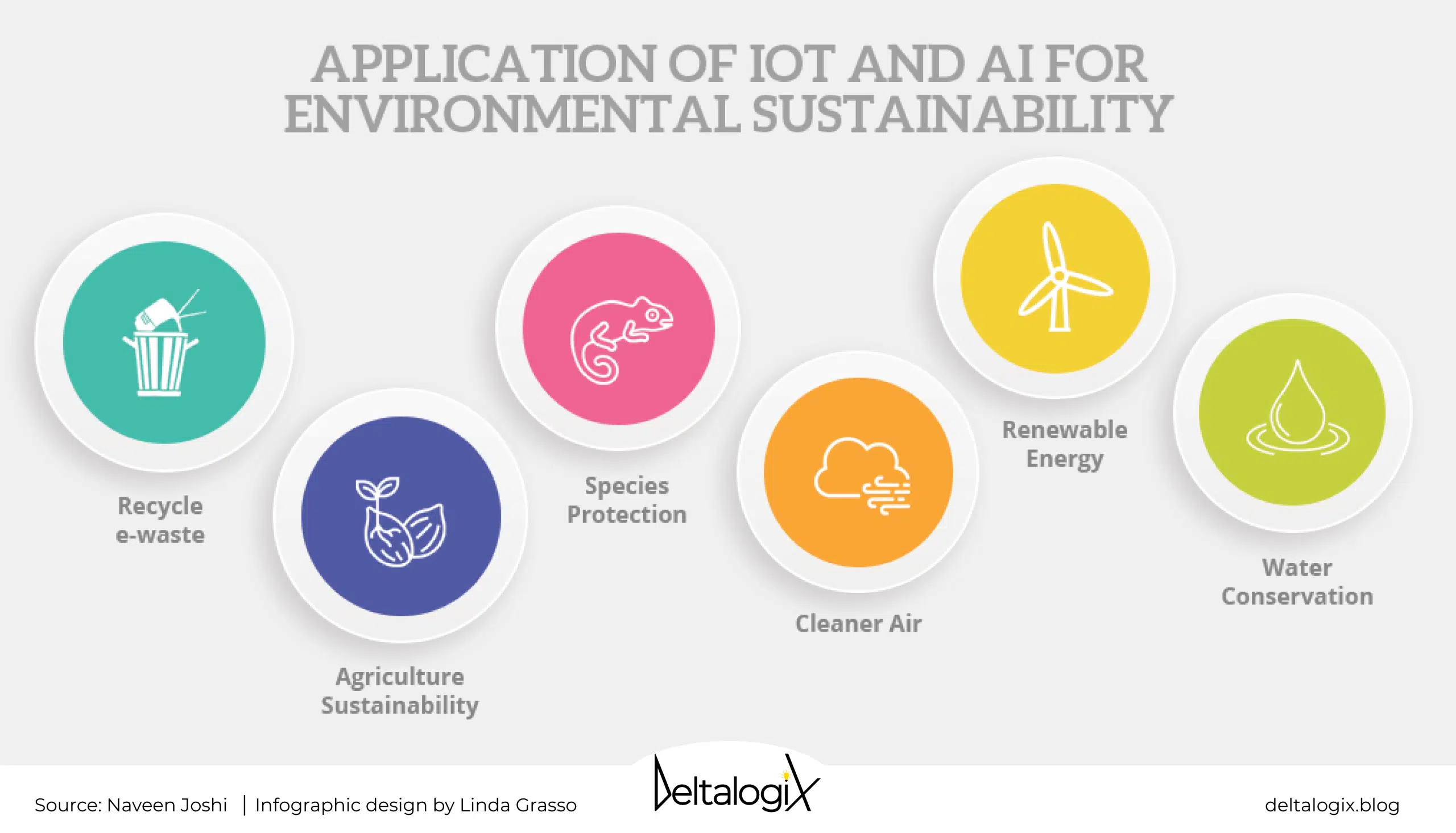
In recent years, the concepts of sustainability and eco-friendliness have taken center stage in nearly every industry, and manufacturing is no exception. As companies strive to reduce their environmental impact and produce goods more efficiently, they are turning to innovative technologies. Among these, the Internet of Things (IoT) and Artificial Intelligence (AI) stand out as game-changers. The convergence of these technologies is poised to influence the landscape of sustainable manufacturing significantly. But how exactly are IoT and AI revolutionizing this sector? Let’s dive deeper into the transformation driven by these technological advancements.
Understanding Sustainable Manufacturing
Before we explore the roles of IoT and AI, it’s crucial to understand what sustainable manufacturing is all about. Sustainable manufacturing is a method that focuses on minimizing the negative environmental impacts of manufacturing processes while promoting the health and safety of employees and the community. It seeks to maintain economic viability while fostering social equity.
Manufacturers achieve sustainability through various means, including resource efficiency, waste reduction, recycling, and the use of renewable energy. As technology evolves, manufacturers now have more opportunities than ever to implement sustainable practices effectively.
The Connected World of IoT
The Internet of Things (IoT) refers to the interconnected network of physical devices embedded with sensors, software, and other technologies that allow them to collect and exchange data over the internet. In the manufacturing sector, IoT devices monitor equipment, track resources, gather performance data, and carry out predictive maintenance, among other functions.
Benefits of IoT in Sustainable Manufacturing
-
Real-Time Monitoring: IoT devices enable manufacturers to have real-time insights into production processes. This means that deviations from the planned process can be detected immediately, reducing waste and inefficiencies.
-
Resource Management: IoT technology provides accurate data on energy and resource consumption. By monitoring these metrics, companies can make informed decisions that lead to reduced waste and energy usage.
-
Predictive Maintenance: Machinery downtime is costly, both in terms of lost production and the energy wasted when machines are inefficiently utilized. IoT sensors can predict when equipment is likely to fail, allowing for timely maintenance that keeps operations running smoothly while minimizing disruptions.
-
Supply Chain Optimization: IoT can offer insights into supply chain dynamics, allowing for better inventory management, minimizing excess, and reducing the carbon footprint associated with transportation.
-
Enhanced Safety: IoT enhances workplace safety by monitoring hazardous conditions in real-time, alerting workers, and minimizing the risk of accidents.
Harnessing the Power of AI
Artificial Intelligence employs advanced algorithms and data analytics to learn from data, recognize patterns, and make predictions or decisions without human intervention. In manufacturing, AI can optimize processes, improve product quality, and drive innovation.
Benefits of AI in Sustainable Manufacturing
-
Process Optimization: AI analyzes vast amounts of data to identify inefficiencies in the manufacturing process. By suggesting modifications or automating decisions, manufacturers can optimize processes to be more sustainable.
-
Quality Control: AI-driven quality control systems can detect defects in real-time, ensuring that only high-quality products reach consumers and reducing waste associated with recalls or reworking defective items.
-
Energy Management: AI can optimize energy consumption across facilities. By analyzing usage patterns, AI systems can recommend when to power machines on and off or suggest the most energy-efficient settings for production.
-
Resource Efficiency: Similar to IoT, AI helps manufacturers better manage inventory levels based on predictive modeling, which reduces excess production and minimizes material waste.
-
Sustainable Design: AI can also aid in the design phase by suggesting sustainable materials or production methods based on data-driven insights, ultimately reducing the environmental impact from the outset.
Integrating IoT and AI for Maximum Impact
When combined, IoT and AI create a powerful backbone for sustainable manufacturing. The data generated from IoT devices feeds AI systems that analyze this data and provide actionable insights. This synergy allows manufacturers not only to respond to inefficiencies but also to predict and avert them.
For example, an IoT-enabled factory might monitor energy usage and identify spikes. This data can then be analyzed using AI to examine patterns and forecast future energy consumption. Based on this information, manufacturers can make informed decisions about energy use, potentially shifting operations to times when renewable energy sources are most abundant, or reducing output during peak demand periods.

- Overcome negative thought patterns, reduce stress, and live a worry-free life
- Overthinking is the biggest cause of unhappiness
- Don't get stuck in a never-ending thought loop
- Stay present and keep your mind off things that don't matter, and never will
- Break free of your self-imposed mental prison
Case Studies: Companies Leading the Way in Sustainable Manufacturing
Several manufacturers are successfully implementing IoT and AI technologies to achieve their sustainability goals.
1. Siemens: The industrial giant Siemens has installed IoT sensors across its manufacturing facilities to monitor everything from machine performance to energy usage. The data collected is analyzed using AI algorithms to optimize energy consumption and maintenance schedules, leading to lower waste and enhanced efficiency.
2. General Electric (GE): GE employs digital twins—virtual replicas of physical assets—to simulate performance and identify areas for improvement. By analyzing data from IoT sensors, GE can optimize production processes and increase energy efficiency, contributing to lower emissions and reduced environmental impact.
3. BMW: BMW uses AI-driven solutions in its manufacturing processes to optimize resource use. The company monitors water consumption and waste generation through IoT devices and analyzes the data to minimize environmental impact while maintaining high product quality.
Future Trends in Sustainable Manufacturing
The journey toward sustainable manufacturing is far from over, and as technology continues to evolve, several trends are emerging:
-
Increased Use of Blockchain: Transparency and traceability will become even more crucial. Blockchain can authenticate materials and monitor supply chains, ensuring sustainability throughout the manufacturing process.
-
Augmented Reality (AR): AR can provide workers with real-time data regarding workflows, safety protocols, and maintenance, streamlining processes and making them more sustainable.
-
Collaborative Robots (Cobots): As manufacturers strive for efficiency, cobots will work alongside human workers, optimizing operations while fostering an environment of safety and productivity.
-
Circular Manufacturing: With an increased focus on recycling, manufacturers will adopt circular economy practices, which aim to minimize waste and make the most of resources through reuse and recycling.
Challenges to Overcome
While the convergence of IoT and AI offers tremendous potential for sustainable manufacturing, several challenges must be addressed:
-
Data Security: As manufacturers deploy more connected devices, they must ensure that sensitive data is protected against cyber threats.
-
Integration: Legacy systems may not easily integrate with new IoT or AI solutions, potentially hindering implementation.
-
Cost: Initial investments in technology can be significant. Manufacturers must weigh the long-term benefits against upfront costs.
-
Skilled Workforce: The need for skilled professionals who can analyze data and manage advanced technologies will only grow, necessitating investment in workforce development.
Conclusion: Emphasizing Sustainability through Technology
Sustainable manufacturing is no longer just a trend; it’s a necessity. The integration of IoT and AI is not just an option—it’s a strong catalyst for achieving sustainable goals in the manufacturing industry. By leveraging real-time data, optimizing processes, and making informed decisions, manufacturers can significantly reduce their environmental impact while also improving efficiency and productivity.
As the industry evolves, manufacturers who embrace these technologies will not only lead the way in sustainable practices but also pave the path for future innovations. The role of IoT and AI in sustainable manufacturing is a testament to how technology can align with environmental responsibility, allowing businesses to thrive in an eco-conscious world.
In this revolution, the key takeaway is clear: sustainable manufacturing is not just about being “green”; it’s about being smart. As we look towards the future, the potential for IoT and AI to transform manufacturing in a sustainable direction remains vast and exciting.


