
In today’s fast-paced work environment, businesses are constantly in search of ways to enhance productivity, elevate employee satisfaction, and foster a healthy workplace culture. One solution that has gained significant traction in recent years is the implementation of employee wellness programs. But why are these programs considered crucial to productivity? In this article, we’ll explore how wellness initiatives can transform workplaces, improve workforce morale, and contribute to overall business success.
The Growing Need for Employee Wellness Programs
With the advent of technology and the increasing demands placed on employees, the traditional 9-to-5 work model is evolving. Employees are faced with longer hours, higher expectations, and the stress that comes with balancing work and personal life. According to a report by the American Psychological Association (APA), approximately 61% of respondents experienced work-related stress. This stress can lead to burnout, increased absenteeism, and decreased productivity.
Enter employee wellness programs—comprehensive initiatives designed to improve the physical, mental, and emotional well-being of employees. These programs can include fitness classes, mental health resources, nutrition counseling, stress management workshops, and much more. So, just how do these wellness programs contribute to productivity? Let’s dive into the details.
1. Enhanced Physical Health
Physical health is a cornerstone of productivity. Employees who achieve and maintain good health are less likely to suffer from chronic illnesses. This is where wellness programs play a pivotal role. By offering resources such as gym memberships, onsite fitness classes, or partnerships with local fitness centers, companies encourage employees to take care of their physical health.
A study conducted by the University of California revealed that for every dollar spent on wellness programs, there was an average of $3.27 saved in healthcare costs. This translates to fewer sick days, lower medical expenses, and, ultimately, a more productive workforce.
When employees feel good physically, they are more energized, engaged, and focused at work. This heightened engagement can lead to enhanced creativity, improved problem-solving skills, and increased collaboration among team members.
2. Improved Mental Health
Mental health is just as vital as physical health, and employee wellness programs often include initiatives aimed at reducing stress and promoting psychological well-being. Stress management workshops, counseling services, and mental health days can play significant roles in helping employees cope with the pressures of work and home life.
Research shows that stress negatively impacts cognitive functions, including attention, memory, and decision-making abilities. When employees learn strategies to manage their stress effectively, they can concentrate better and contribute to higher levels of productivity.
Additionally, promoting a culture that destigmatizes mental health discussions can lead to a more supportive and cohesive work environment. Employees who feel comfortable discussing their mental health are more likely to seek help, reducing the likelihood of burnout and fostering a resilient workforce.
3. Increased Job Satisfaction and Retention
Creating a workplace that prioritizes employee wellness directly correlates with higher job satisfaction. When employees feel valued and supported through wellness initiatives, their loyalty to the organization increases.
Statistics reveal that companies with robust wellness programs see approximately 25% lower employee turnover rates. This is a significant factor considering the costs associated with hiring and training new employees. High turnover can drain resources and disrupt team dynamics, hampering overall productivity.
Furthermore, employees who are satisfied with their jobs are more likely to go the extra mile, displaying greater commitment and enthusiasm for their roles. This enthusiasm can translate into improved performance, innovation, and a greater willingness to collaborate with colleagues.
4. Enhanced Workplace Culture
Employee wellness programs can lead to the development of a positive workplace culture. A work environment that emphasizes health and wellness fosters a sense of community and teamwork among employees.
Wellness initiatives such as group fitness challenges, health fairs, or team-building retreats create opportunities for employees to interact and bond outside of their usual work tasks. These shared experiences help build strong relationships, enhance trust, and create a supportive atmosphere.
When employees feel connected to their colleagues and organization, they are more likely to engage actively in their work. A positive workplace culture not only boosts morale but also reinforces a sense of belonging, which is essential for productivity.

- Overcome negative thought patterns, reduce stress, and live a worry-free life
- Overthinking is the biggest cause of unhappiness
- Don't get stuck in a never-ending thought loop
- Stay present and keep your mind off things that don't matter, and never will
- Break free of your self-imposed mental prison
5. Lower Healthcare Costs
Investing in employee wellness pays off in multiple ways, one of which is reduced healthcare costs for both employers and employees. Healthier employees tend to require less medical care, leading to decreased insurance premiums and overall healthcare expenses for the organization.
Companies that invest in wellness programs often see a substantial return on investment (ROI) due to lowered health claims and reduced sick leave costs. According to a study by the Health Enhancement Research Organization, workplaces that offered wellness programs saved an average of $1.85 in healthcare costs for every dollar spent on wellness initiatives.
By promoting a culture of health and wellness, businesses contribute to the long-term financial sustainability of their organization—an outcome that ultimately enhances productivity.
6. Increased Engagement and Motivation
Engaged employees are those who are enthusiastic about their work and committed to their organization. Employee wellness programs that provide opportunities for personal development, health education, and social engagement can significantly enhance employee motivation and drive.
A Gallup survey found that organizations with high employee engagement levels reported 21% greater profitability and 17% higher productivity compared to those with low engagement levels. Engaged employees tend to put forth their best efforts and are more likely to initiate innovative projects, leading to increased efficiency and productivity across the board.
To foster engagement through wellness programs, businesses can consider programs like skill-building workshops, mentorship opportunities, or wellness challenges that motivate employees to strive for both personal and professional growth.
7. Flexibility and Work-Life Balance
One of the primary goals of employee wellness programs is to promote a healthy work-life balance. Many programs offer flexible schedules, remote work options, and initiatives that encourage employees to step away from their desks and recharge.
Research indicates that employees who maintain a solid work-life balance report higher job satisfaction, lower stress levels, and increased overall productivity. When employees can balance their personal and professional lives, they are less likely to experience burnout and more likely to be productive in their roles.
Employers can support this work-life balance by encouraging regular breaks, providing access to wellness apps or mindfulness resources, and advocating for flexible working arrangements that allow employees to adjust their work to meet their personal needs.
8. Commitment to Safety
Employee wellness programs often extend beyond physical and mental health to include workplace safety initiatives. A safe work environment is essential for maintaining productivity and employee morale.
When organizations prioritize safety through wellness programs, employees feel valued and protected, which fosters trust and loyalty. A culture of safety leads to fewer accidents, lower injury-related downtime, and increased productivity.
By visibly committing to employee safety and wellness, organizations cultivate an environment where employees feel comfortable and empowered to perform their best work, leading to enhanced productivity and reduced risk of workplace incidents.
Conclusion
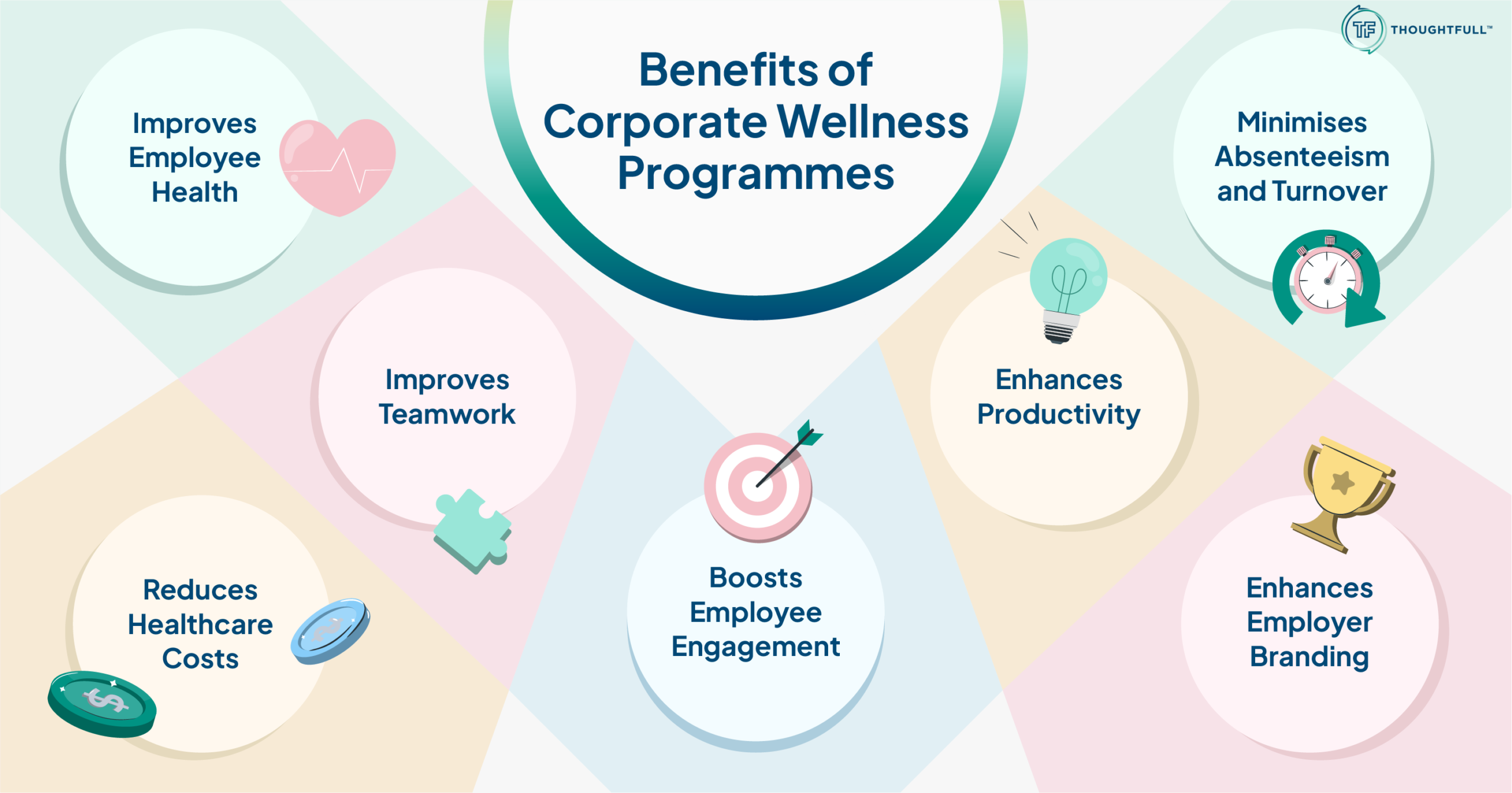
In a world where employee well-being is closely tied to productivity, investing in wellness programs is no longer a luxury but a necessity. These initiatives can have a significant impact on physical health, mental well-being, job satisfaction, and overall workplace culture.
From improving employee health and decreasing turnover to enhancing engagement and promoting work-life balance, the benefits of employee wellness programs are clear. As businesses continue to navigate the challenges of an evolving workforce, prioritizing employee wellness will surely lead to increased productivity and long-term success.
If you’re a business owner or HR professional, consider taking actionable steps towards implementing or enhancing your organization’s wellness program. The time is now to prioritize your employees’ well-being—not only for their benefit but for the overall success of your business. By doing so, you’ll create a thriving workplace where productivity flourishes, and employees feel valued and engaged in their work.
In the end, happy, healthy employees translate into higher productivity and a robust bottom line. So, why wait? Invest in employee wellness today and watch your organization thrive!


