
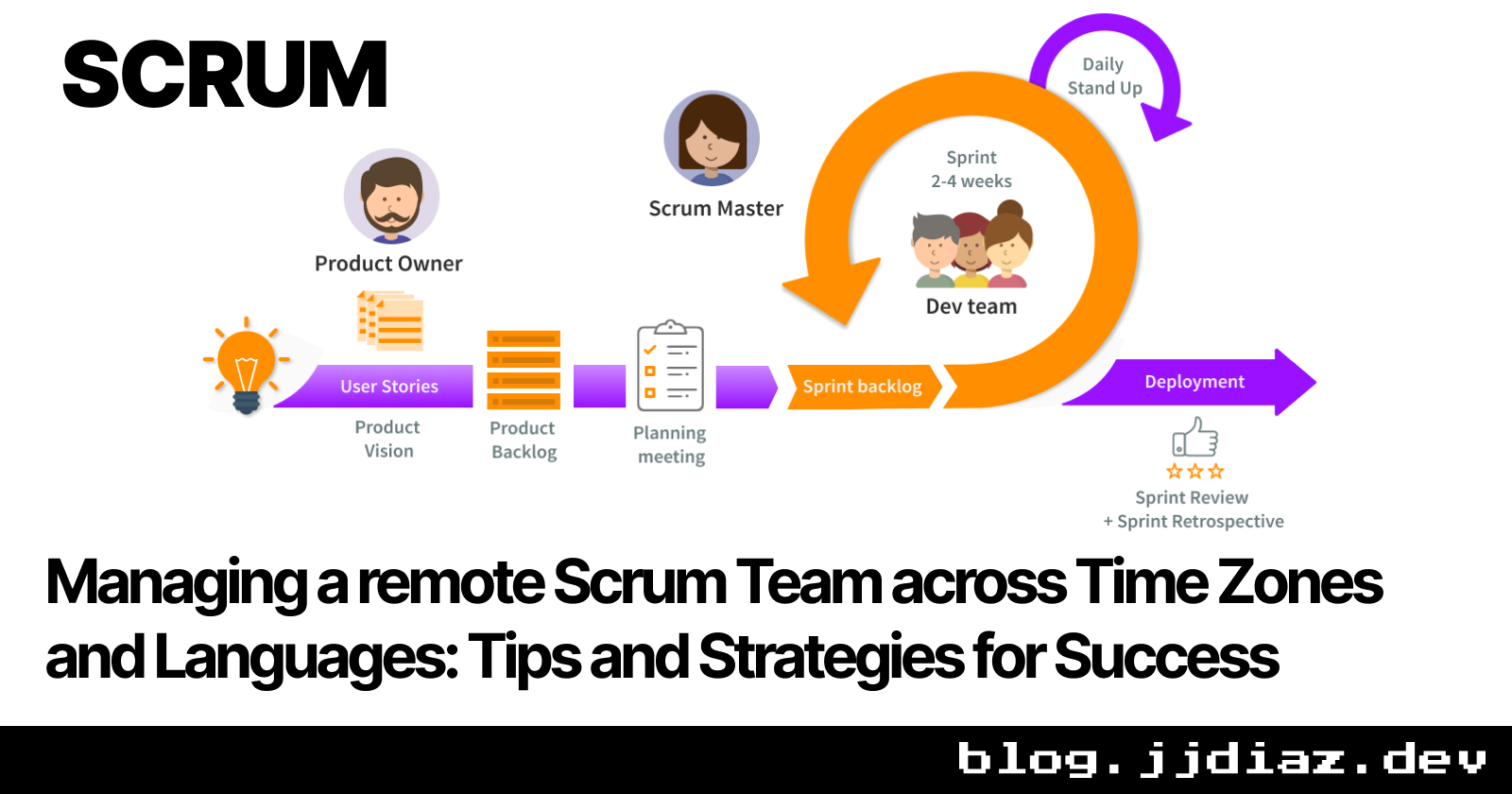
In the age of digital communication and globalization, remote work has become the norm for many businesses. One of the most exciting yet challenging aspects of this shift is managing a remote team scattered across different time zones. Navigating the complexities of various schedules while maintaining productivity and fostering team collaboration can be daunting. However, with the right strategies, it’s possible to create an effective remote work environment that not only meets deadlines but also enhances team morale and productivity. In this article, we’ll explore practical tips on how to successfully manage a remote team across time zones.
Understanding Time Zone Challenges
When managing a remote team across time zones, the first step is to understand the challenges that come with it. These challenges can include:
-
Scheduling Conflicts: Team members in different time zones may have overlapping working hours that make it difficult to find suitable times for meetings.
-
Communication Barriers: Miscommunication can arise from differences in work hours, leading to delayed responses and misunderstandings.
-
Cultural Differences: Time zones often correlate with cultural differences, which can affect work styles, communication preferences, and collaboration dynamics.
-
Isolation and Disconnection: Employees working in isolation may start to feel disconnected from the team, leading to decreased morale and productivity.
By being aware of these challenges, you can implement strategies to effectively manage your remote team.
Establish Clear Expectations
One of the cornerstones of successfully managing a remote team across time zones is setting clear expectations. This includes defining working hours, project deadlines, communication protocols, and roles and responsibilities. Here’s how to do it:
Define Working Hours
While full flexibility is often a perk of remote work, establishing core working hours can help minimize scheduling conflicts. This doesn’t mean everyone has to work the same hours, but a few overlapping hours can facilitate real-time communication and collaboration. Map out the time zones of each team member and determine the best hours for team collaboration.
Communicate Milestones and Deadlines
Clearly outline project milestones and deadlines, ensuring everyone understands their responsibilities and the timelines involved. Utilize project management tools like Trello or Asana to provide visibility into tasks, deadlines, and accountability. This not only improves productivity but also keeps everyone on the same page, regardless of their location.
Set Communication Protocols
Effective communication lies at the heart of successful remote management. Establish rules around when and how to communicate. For instance, you may decide that emails should be used for non-urgent matters, while instant messaging or video calls should be utilized for urgent queries or discussions. Additionally, determining a standard response time for different communication channels can help manage expectations.
Leverage Technology
Technology can be a game-changer when it comes to managing remote teams across time zones. Here are the different types of tools you can integrate into your workflow to streamline processes and foster communication:
Project Management Tools
Consider using project management software that provides a centralized platform for team collaboration. Tools like Trello, Asana, and Monday.com enable you to assign tasks, track progress, and keep everyone in the loop. Make sure to choose a tool that fits your team’s specific requirements, promoting accountability and transparency.
Communication Tools
Using dedicated communication platforms like Slack or Microsoft Teams can help combat time zone challenges. These platforms offer different channels for chat, voice calls, and video meetings. Encourage team members to share updates and progress reports regularly on these platforms to maintain engagement and connectivity.
Time Zone Management Tools
Utilizing time zone management tools like World Time Buddy or Every Time Zone can help you find appropriate meeting times and ensure everyone is aligned. This can be particularly helpful when scheduling meetings, as you can visually see overlapping working hours.
Foster Inclusive Team Culture
Creating an inclusive team culture is vital for remote teams across time zones. When team members feel included and valued, they are more likely to be engaged and productive. Here are ways to foster that culture:
Regular Check-Ins
Hold regular check-ins or one-on-one meetings with team members to assess their progress and well-being. These sessions provide opportunities for team members to voice concerns and share ideas. They are particularly important for employees in different time zones who may feel isolated.

- Overcome negative thought patterns, reduce stress, and live a worry-free life
- Overthinking is the biggest cause of unhappiness
- Don't get stuck in a never-ending thought loop
- Stay present and keep your mind off things that don't matter, and never will
- Break free of your self-imposed mental prison
Celebrate Team Achievements
Acknowledging accomplishments, both big and small, can help nurture team morale. Whether it’s project milestones or personal achievements, celebrating these moments fosters a sense of community. Consider implementing a “Shout-Out” channel where team members can recognize each other’s efforts.
Encourage Social Interactions
Engage your team in informal social interactions, such as virtual coffee breaks or team-building activities. These interactions can help strengthen connections and foster collaboration, even when team members are miles apart.
Develop Effective Meeting Strategies
Meetings are essential when managing a remote team, but they can also be a source of frustration due to time zone discrepancies. Here’s how to develop effective meeting strategies:
Rotate Meeting Times
If your team’s time zones vary significantly, consider rotating meeting times to ensure that no specific group consistently bears the burden of inconvenient schedules. This gives everyone a fair opportunity to participate without compromising their personal time.
Keep Meetings Disciplined
To ensure that meetings are productive, set a clear agenda and stick to it. Distribute the agenda before the meeting to keep everyone informed and focused on the discussion points. Encourage team members to prepare in advance and allocate time for questions and discussions. Additionally, designate a note-taker to document important points and decisions, which will be shared with the team post-meeting.
Record Meetings
For team members who are unable to attend due to time zone conflicts, consider recording meetings so they can catch up later. This not only keeps everyone informed but also allows team members to review discussions and decisions made.
Prioritize Work-Life Balance
Balancing work and personal life is crucial for remote team members, especially when dealing with various time zones. As a leader, you can set the tone by promoting a healthy work-life balance:
Be Mindful of Time Zone Differences
When scheduling meetings and deadlines, be aware of your team members’ time zones. If a meeting falls outside of standard working hours for some, consider alternatives like asynchronous updates or emails to ensure inclusivity.
Encourage Time Off
Encourage team members to take breaks and utilize their vacation time. Promote the importance of disconnecting from work to avoid burnout. As a leader, leading by example is essential; ensure that you also take breaks and maintain a healthy work-life balance.
Support Flexible Work Arrangements
Flexible work arrangements can go a long way in boosting employee morale. Allow team members the freedom to work at times that suit them best, within the defined core hours. This flexibility can increase job satisfaction and productivity.
Measure Team Performance
To manage a remote team effectively, it’s essential to establish metrics for success. Here are ways to do it:
Set Clear Key Performance Indicators (KPIs)
Define KPIs that align with your team’s objectives. Regularly review these KPIs to assess individual and team performance. This transparency fosters accountability and encourages team members to meet their goals.
Gather Feedback
Solicit feedback from your team about the remote working experience. Regular surveys or informal check-ins can provide insight into team dynamics and collaboration challenges, allowing you to make adjustments as necessary.
Conduct Performance Reviews
Regular performance reviews can help identify strengths and areas for improvement. Providing constructive feedback in a supportive and positive manner can contribute to the professional growth of team members.
Conclusion
Managing a remote team across time zones presents unique challenges, but it also offers opportunities for innovation and collaboration. By setting clear expectations, leveraging technology, fostering a positive team culture, developing effective meeting strategies, prioritizing work-life balance, and measuring performance, you can create a thriving remote work environment. Remember, communication, inclusivity, and adaptability are key. Embrace the journey, and your remote team will not only succeed but flourish, regardless of the time zones that separate them. Safe travels on this journey of effective remote team management!


