
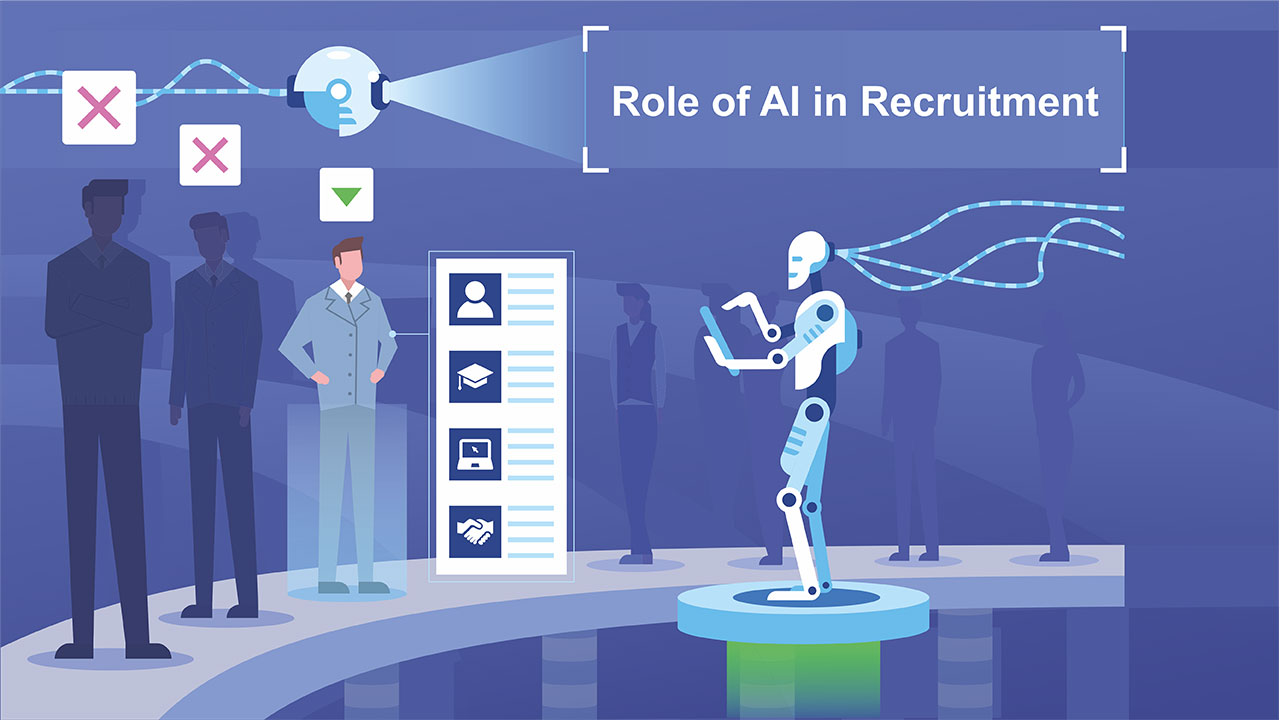
In today’s fast-paced business environment, where competition for top talent is fiercer than ever, organizations are continually exploring innovative solutions to streamline their hiring processes. One of the most transformative developments in recent years has been the integration of Artificial Intelligence (AI) into recruitment strategies. But what exactly is the role of AI in recruiting top talent, and how does it reshape the hiring landscape? In this article, we’ll delve into the multifaceted ways AI enhances recruitment efforts, helping employers find the perfect candidates more efficiently.
Understanding AI in the Recruitment Sphere
Before we explore the specific roles AI plays in recruitment, let’s clarify what we mean by AI in this context. Artificial Intelligence refers to complex algorithms and machine learning systems designed to analyze data, recognize patterns, and make decisions. These capabilities are being harnessed in various fields, including finance, healthcare, and yes, recruitment.
AI tools can automate various tasks—saving time and resources—while providing valuable insights that human recruiters may overlook. As companies contend with the challenges presented by skill shortages and a changing workforce, AI has emerged as a vital partner in identifying and attracting the right talent.
Enhancing Candidate Sourcing
One of the most significant ways AI transforms recruitment is through enhanced candidate sourcing. Traditional sourcing methods, such as posting job openings on websites and sifting through resumes, are becoming increasingly outdated. AI-driven platforms can analyze vast amounts of data from multiple sources—job boards, social media platforms, and company networks—to identify potential candidates who may not be actively seeking new roles but possess the required skills and experience.
With AI, recruiting teams benefit from:
-
Improved Algorithmic Searches: AI tools utilize advanced algorithms to parse resumes and digital profiles more efficiently than human recruiters. They can identify keywords, relevant experiences, and qualifications that align with the job description, producing a shortlist of high-quality candidates.
-
Passive Candidate Engagement: AI can identify passive candidates who may not be actively job hunting but match job criteria. Automated outreach can initiate conversations with these individuals, opening up the possibilities for recruiting talent who might otherwise remain undiscovered.
-
Enhanced Job Advertisements: By leveraging data analytics, AI helps employers optimize job postings to attract the right candidates. These systems can analyze the performance of ad placements, keywords, and other variables to improve the effectiveness of recruitment ads over time.
Streamlining the Screening Process
Once candidates have been sourced, the next challenge is screening them efficiently. Here, AI really shines. The volume of applications received for popular positions can overwhelm human resources teams, leading to delays and, possibly, the loss of top talent. AI-driven screening tools can significantly reduce the time it takes to filter candidates by automating the initial review process.
-
Resume Screening: AI can automatically screen resumes by matching qualifications, skills, and experience against job descriptions. It can identify those resumes that stand out while filtering out unqualified candidates based on predefined criteria.
-
Chatbots for Initial Communication: AI-powered chatbots can conduct initial conversations with candidates, answering common questions and gathering essential information. This automation helps keep candidates engaged during the application process, reducing the likelihood of dropouts.
-
Assessment Tools: AI can also facilitate skills assessment through relevant tests and interviews that gauge candidates’ capabilities more scientifically. By using machine learning algorithms, the system can provide fair and unbiased evaluations of applicants, enabling recruiters to make better-informed decisions.
Unbiased and Fair Recruitment
One of the critical challenges in the recruitment process is eliminating bias that can seep into hiring decisions. Traditional recruitment methods are often subject to unconscious biases that arise from human judgment. AI, however, can be designed to minimize these biases if developed correctly.
-
Data-Driven Decision Making: AI systems rely on data and algorithmic approaches, which can help eliminate subjective biases associated with demographic factors like gender, ethnicity, and age. Instead of evaluating candidates based solely on their backgrounds, AI focuses on qualifications, skills, and experiences.
-
Standardized Assessments: AI tools facilitate standard assessments that can assess candidates uniformly, ensuring that everyone is evaluated on the same criteria rather than relying on potentially biased perceptions from human screens.
-
Continuous Learning: AI models continuously learn from data, which means they can adapt over time, making them more effective at recognizing quality candidates without common biases.

- Overcome negative thought patterns, reduce stress, and live a worry-free life
- Overthinking is the biggest cause of unhappiness
- Don't get stuck in a never-ending thought loop
- Stay present and keep your mind off things that don't matter, and never will
- Break free of your self-imposed mental prison
Enhancing Candidate Experience
In the digital age, candidates’ experiences during the recruitment process can significantly impact their perception of an employer. AI plays a pivotal role in creating a positive candidate journey.
-
24/7 Availability: AI chatbots enable candidates to get answers to their questions outside of traditional office hours. This accessibility creates an impression of a responsive organization and keeps candidates engaged throughout the hiring process.
-
Personalization: AI can personalize communication with candidates by recommending job opportunities based on their career goals, skills, and preferences. Tailored interactions foster a sense of connection, making applicants feel valued.
-
Feedback Loops: AI tools can streamline feedback processes, allowing candidates to receive timely updates on their application status. Providing transparency builds trust and improves the candidate experience, enhancing the company’s overall reputation.
Predictive Analytics for Strategic Hiring
One of the strategic advantages AI offers is its ability to analyze historical data and predict future trends. Predictive analytics helps organizations understand which attributes are common among successful hires, leading to more informed recruitment strategies.
-
Identifying Top Performers: By examining past employee data, AI can identify key characteristics of high-performing employees. Recruiters can then target candidates who possess those traits, enhancing the likelihood of future success within the organization.
-
Turnover Predictions: AI can analyze workforce patterns to predict potential employee turnover. Understanding which candidates may be more likely to exit in the future empowers recruiters to focus on retaining the best talent, resulting in fewer recruitment cycles over time.
-
Long-Term Planning: Companies can leverage AI-driven insights to inform strategic workforce planning. By understanding skill gaps and industry trends, organizations are better equipped to make proactive hiring decisions that align with their long-term goals.
AI Considerations: Ethical and Practical Challenges
While the integration of AI in recruitment offers immense benefits, it also raises ethical and practical considerations that must be addressed:
-
Data Privacy: As AI relies on vast amounts of data, companies must navigate sensitive issues surrounding candidate data privacy. Ensuring compliant, ethical handling of personal information is crucial to maintaining candidates’ trust.
-
Algorithm Transparency: Some critics argue that AI algorithms can inadvertently perpetuate existing biases if they are not transparent. It is essential to ensure that the data used to train AI models is diverse and representative to prevent skewed results.
-
Balancing Human Touch: Although AI enhances efficiency, human touch in recruitment remains essential. Recruiters need to maintain engagement and build relationships with candidates, balancing automation with personalized interaction.
Future of AI in Recruitment
As technology continues to evolve, the role of AI in recruitment is only expected to grow. Organizations that embrace AI as an integral component of their talent acquisition strategy will likely gain a competitive advantage in securing top talent.
-
Advanced Machine Learning: Future AI systems will likely involve increasingly sophisticated machine learning capabilities that offer even deeper insights, allowing for more refined candidate matching and streamlined processes.
-
Integration of Virtual Reality: The recruitment landscape is also trending towards integrating virtual reality (VR) for interview simulations and employee onboarding experiences, enhancing engagement and interaction.
-
Economic Considerations: As AI tools become more affordable, smaller companies can benefit from advanced recruitment strategies that were once limited to larger enterprises, leveling the playing field and enhancing competition for top talent.
Conclusion
The role of AI in recruiting top talent is multi-faceted and transformative. From enhancing candidate sourcing and streamlining the screening process to creating superior candidate experiences, AI’s contributions to recruitment are undeniable. With the potential to minimize biases, improve decision-making, and predict future workforce trends, AI is revolutionizing how organizations attract and retain skilled employees.
As businesses navigate this new terrain, it’s imperative that they approach AI with a balance of innovation, ethics, and a human touch. By leveraging AI tools thoughtfully and responsibly, recruiters can not only meet the demands of a competitive job market but also build a workforce capable of driving their organizations toward continued success. The future of recruitment is here, and it is undeniably powered by AI.


