
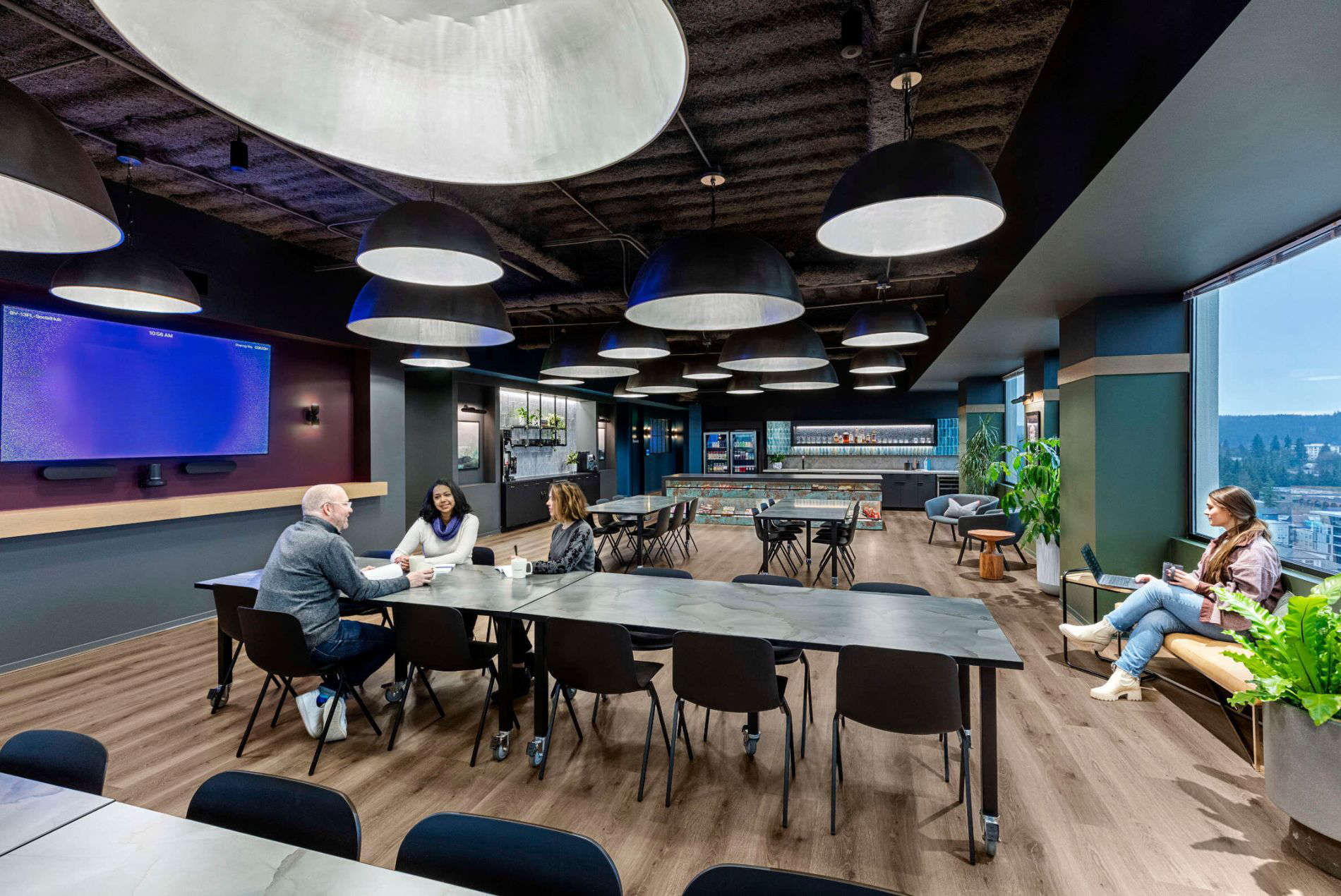
In the wake of the COVID-19 pandemic, the world as we knew it has changed drastically. Businesses have adapted to remote work, allowing employees the flexibility to operate from anywhere. As we transition into a post-pandemic world, one notable trend emerges from the ashes of traditional office spaces: the rise of co-working spaces. This article explores the growth of co-working environments in this new era, examining how they are reshaping the workforce, enhancing collaboration, and offering unique opportunities for professionals from all walks of life.
What are Co-working Spaces?
Before delving into their rise, it’s essential to understand what co-working spaces are. These shared work environments allow individuals from various companies and sectors to work in a communal setting. Co-working spaces offer flexible arrangements, including hot-desking, dedicated desks, and private offices, along with amenities like high-speed Wi-Fi, meeting rooms, and recreational areas. They foster an atmosphere of collaboration and innovation, appealing to freelancers, remote workers, startups, and even larger enterprises looking for additional workspace solutions.
The Pandemic’s Impact on Work Culture
The pandemic significantly shifted work culture across the globe. Companies were forced to embrace remote work, leading many employees to reassess their work-life balance and overall job satisfaction. With the necessity of remote work came new challenges, such as feelings of isolation, difficulties in switching off, and a lack of established boundaries between personal and professional life. As restrictions ease and businesses reopen, the demand for flexible work solutions has never been more pronounced.
Increased Demand for Flexibility
One of the primary reasons for the rise of co-working spaces in a post-pandemic world is the heightened demand for flexibility. Employees have experienced the benefits of working remotely and are now reluctant to return to rigid 9-to-5 office hours. Co-working spaces cater to this need by offering customizable working arrangements that align with individual lifestyles and preferences.
For instance, remote workers can choose to work part-time in a co-working space, utilizing it as a hub for collaboration and networking while still enjoying the freedom of working from home. This hybrid model provides the best of both worlds, allowing for structured work environments without sacrificing flexibility.
The Collaborative Nature of Co-working
Co-working spaces thrive on collaboration, often encouraging networking and partnerships among diverse professionals. In a post-pandemic landscape where many businesses are seeking creative solutions to thrive, the collaborative ethos of co-working spaces offers a significant advantage.
Innovation often sprout from conversations with others outside one’s immediate circle, and co-working environments offer exactly that. Whether it’s a casual chat in the kitchen area or a scheduled networking event, co-working spaces foster relationships that can lead to new ventures or projects. The result? Increased creativity, synergy, and cross-pollination of ideas, which can be vital for business success in a rapidly changing environment.
Addressing the Isolation Crisis
Another driving force behind the growth of co-working spaces is the detrimental impact of isolation caused by prolonged remote work. While some individuals thrive when working alone, many others struggle with the feelings of loneliness and disconnection.
Co-working spaces address this issue by creating community-oriented environments that promote social interaction. Many co-working companies organize events, workshops, and social hours that encourage members to connect, share experiences, and build relationships. This sense of community can significantly enhance mental well-being, reduce feelings of loneliness, and foster a supportive atmosphere that is often missing in traditional remote work settings.
Enhanced Work-Life Balance
As professionals increasingly prioritize work-life balance, co-working spaces are a solution that accommodates this shift. Employees can choose co-working locations closer to home or in vibrant neighborhoods that enhance their quality of life outside of work. By breaking the monotony of working from home and providing a stimulating workplace, co-working spaces promote healthier work-life integration.
Additionally, many co-working spaces offer great amenities, such as on-site coffee shops, fitness facilities, and relaxation areas, making it easy for professionals to unwind during breaks. This holistic approach encourages a sustainable work environment, leading to increased productivity and job satisfaction.

- Overcome negative thought patterns, reduce stress, and live a worry-free life
- Overthinking is the biggest cause of unhappiness
- Don't get stuck in a never-ending thought loop
- Stay present and keep your mind off things that don't matter, and never will
- Break free of your self-imposed mental prison
A Shift in Employer Perspectives
As businesses assess their long-term strategies, many are recognizing the advantages of co-working spaces. Traditional office setups come with a considerable overhead in terms of rent, utilities, and maintenance. Co-working spaces provide a cost-effective alternative that allows businesses to allocate resources more efficiently.
Additionally, co-working spaces enable companies to tap into a broader talent pool. Many businesses are now open to hiring remote workers regardless of their geographical location. With co-working spaces available in various cities, employees can choose to work in a vibrant environment while remaining connected to teams across the globe.
Niche Co-working Spaces
The rise of co-working spaces has also spurred the creation of niche environments. These specialized providers cater to particular industries or interests, such as tech startups, creatives, or healthcare professionals. By offering tailored services, designed workspaces, and industry-specific resources, niche co-working spaces bring like-minded individuals together, fostering collaboration and innovation.
For instance, spaces dedicated to tech startups often provide access to resources like mentorship programs, networking events, and opportunities for funding. This niche approach enhances the value proposition of co-working spaces, making them an attractive option for professionals looking to grow and connect in their respective fields.
Future Trends in Co-working Spaces
As co-working spaces continue to evolve, several trends are expected to shape their future.
-
Increased Focus on Health and Safety: The pandemic has heightened awareness around cleanliness and health. Co-working spaces are prioritizing hygiene by incorporating features like touchless entry systems, regular deep cleaning protocols, and ample ventilation.
-
Hybrid Work Models: As companies embrace hybrid work models, co-working spaces are likely to offer solutions tailored for mixed workforce strategies—providing flexible memberships that suit both remote and on-site employees.
-
Sustainability Initiatives: Growing environmental awareness will likely prompt co-working spaces to implement sustainable practices. This can range from eco-friendly office designs to promoting leave-no-trace policies within co-working communities.
-
Technology Integration: The rise of technology will continue to influence the evolution of co-working spaces. From improved digital communication tools to smart office capabilities, technology will play an integral role in enhancing the co-working experience.
Conclusion
The rise of co-working spaces in a post-pandemic world signifies more than just a trend; it represents a fundamental shift in how we view work and collaboration. As flexibility, community, and innovation become more critical, co-working spaces offer a viable solution for modern professionals seeking connection, inspiration, and balance in their lives.
For those looking to embrace this new way of working, co-working spaces provide the perfect backdrop to foster creativity and collaboration, bridging the gap between traditional office environments and the freedom of remote work. By connecting with others and harnessing the potential of shared spaces, professionals can navigate this brave new world, paving the way towards a more flexible and fulfilling future.
In summary, whether you’re a freelancer, a startup entrepreneur, or part of a large corporation, now is the time to explore the possibilities that co-working spaces offer. Break free from the conventional office restrictions and discover how these vibrant, flexible environments can elevate your work experience to new heights in our evolving world.


