
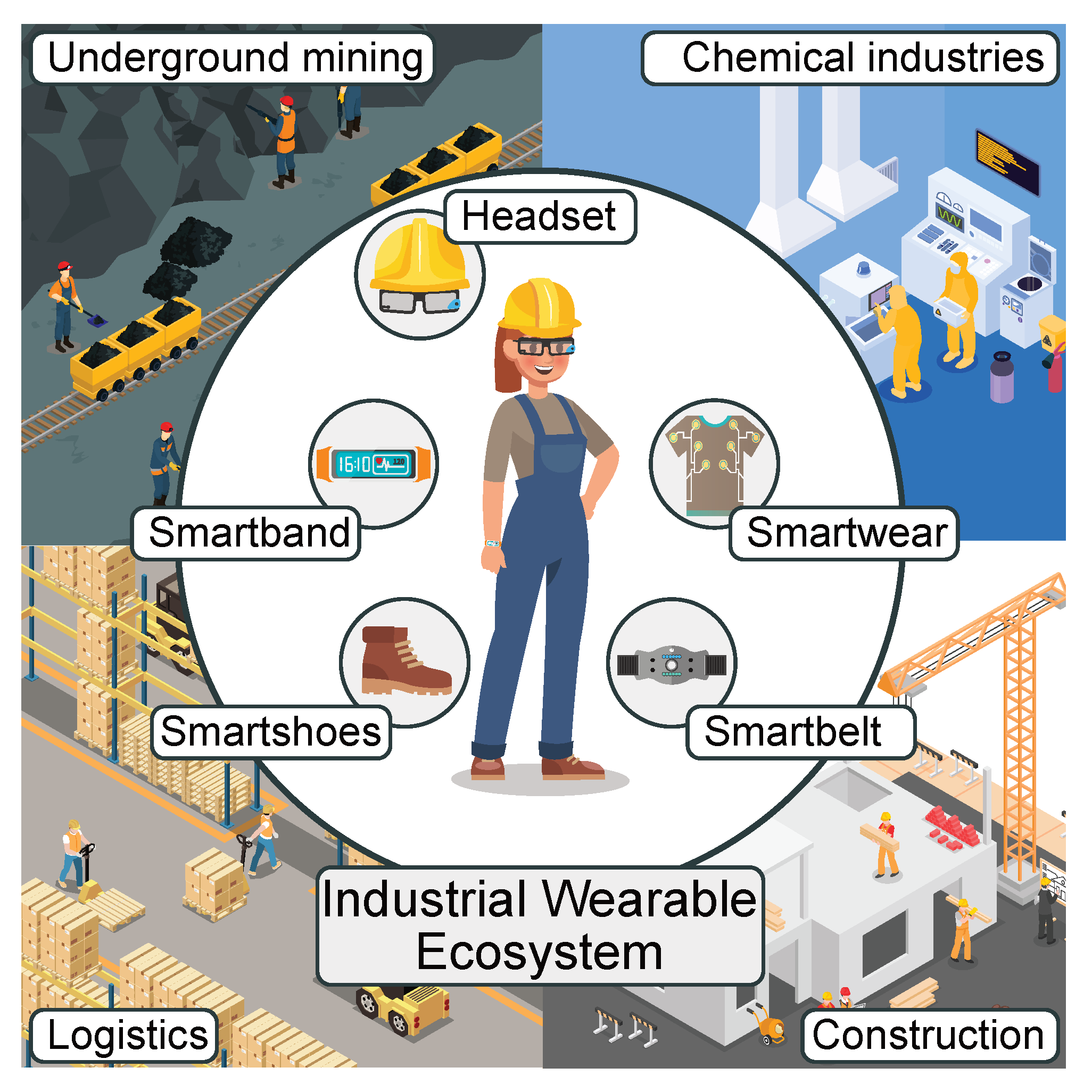
In an era dominated by technological advancements, the workplace is undergoing a profound transformation. One of the most significant influences is the rise of wearable technology. From smartwatches to fitness trackers, these devices are not only changing the way we approach health and fitness but are also redefining productivity in professional settings. In this comprehensive guide, we explore the impact of wearable tech on workplace productivity, examining its benefits, challenges, and future potential.
What is Wearable Technology?
Wearable technology refers to electronic devices worn on the body, often incorporated into clothing or accessories. The most common examples include smartwatches, fitness trackers, augmented reality (AR) glasses, and smart clothing. These devices collect data, monitor health metrics, and can even connect to the internet to provide real-time feedback. As their functionality grows, so does their relevance in the workplace.
Why Workplace Productivity Matters
Before diving into the impact of wearable tech, it’s crucial to understand why workplace productivity is vital. Increased productivity leads to enhanced efficiency, which in turn boosts profits and fosters a positive workplace culture. High productivity often correlates with employee satisfaction, engagement, and reduced turnover rates. Thus, optimizing productivity is paramount for businesses aiming to stay competitive in today’s fast-paced market.
The Intersection of Wearable Tech and Productivity
1. Enhanced Health and Well-being
One of the most significant impacts of wearable technology in the workplace is its ability to promote health and well-being. Devices like smartwatches and fitness trackers encourage employees to stay active by tracking physical activity, heart rate, and even sleep quality.
Physical Activity and Break Reminders
For instance, many wearables offer reminders to stretch or take breaks if users have been sedentary for too long. Regular physical activity has been proven to reduce stress, increase energy levels, and enhance focus—key factors that directly contribute to productivity.
Sleep Monitoring
Moreover, sleep tracking features help employees understand their sleep patterns, leading to better rest and improved concentration during working hours. Healthy employees are more motivated and engaged, leading to higher productivity levels.
2. Time Management and Organization
Wearable technology can also streamline task management and improve time management. Smartwatches and other devices enable users to receive notifications, set reminders, and manage their schedules directly from their wrist.
Real-Time Updates and Alerts
This capability allows employees to stay on top of their to-do lists without needing to check their phones or computers constantly. Instant notifications for emails, messages, or calendar events can keep them focused on their tasks without the disruptive nature of switching between devices.
3. Data Collection and Analysis
Wearable technology often comes equipped with sensors that collect invaluable data. In a workplace context, this data can contribute to performance analytics, providing insights into employee productivity patterns and health metrics.
Personalized Feedback
For example, businesses can analyze data to identify peak productivity times among employees and adjust schedules or workloads accordingly. Implementing a flexible work environment based on performance data can drastically improve overall productivity.
4. Enhanced Communication
Many wearable devices facilitate seamless communication, allowing employees to connect without interrupting their workflow. Smartwatches and heads-up display glasses offer features that enable hands-free calling and messaging.
Efficiency in Communication
This capability is particularly beneficial in fast-paced or team-oriented environments where constant communication is essential. Enhanced communication helps teams collaborate more effectively, minimizing time wasted on back-and-forth emails or disruptive phone calls.
5. Employee Engagement and Morale
The morale and well-being of employees play a crucial role in productivity. Wearable technology often includes gamification features, such as challenges or rewards for achieving health-related goals.
Fostering a Collaborative Spirit
Such features foster a sense of community and competition among team members, potentially boosting employee engagement. When wellness becomes a shared goal, employees may feel more connected to their colleagues and motivated to perform at their best.
Challenges and Considerations
Despite the numerous benefits of wearable technology in enhancing workplace productivity, certain challenges must be addressed.
1. Privacy and Data Security
One of the foremost concerns is the handling of personal data gathered by wearables. Employees may feel uneasy about their health and productivity data being monitored and analyzed by their employers. Companies must establish clear data privacy policies to foster trust and transparency.

- Overcome negative thought patterns, reduce stress, and live a worry-free life
- Overthinking is the biggest cause of unhappiness
- Don't get stuck in a never-ending thought loop
- Stay present and keep your mind off things that don't matter, and never will
- Break free of your self-imposed mental prison
2. Device Overload
With a plethora of wearable devices available, choosing the right one can be overwhelming. Companies need to provide guidance on which technologies will genuinely contribute to improved productivity and support employee preferences.
3. Distraction Potential
While wearables can aid in focus, they may also pose a distraction if not managed properly. Frequent notifications can lead to interruptions, pulling attention away from essential tasks and potentially countering the productivity boost intended.
4. Cost Implications
Implementing wearable technology in the workplace may involve significant costs, including device procurement, integration with existing systems, and ongoing maintenance. Companies should weigh the potential return on investment before fully committing to a wearable tech strategy.
Best Practices for Implementing Wearable Tech
To maximize the benefits of wearable technology while mitigating its challenges, organizations should follow several best practices.
1. Pilot Programs
Before implementing a full-scale rollout, organizations can start by conducting pilot programs. By selecting a small group of employees to test wearable devices, companies can assess their effectiveness in improving productivity and gather feedback.
2. Employee Education
Educating employees on the benefits and functionalities of the devices will promote adoption. Training sessions or informational resources can help staff understand how to maximize their wearables for improved productivity.
3. Privacy Policies
Develop comprehensive privacy policies that outline how employee data will be collected, used, and protected. It’s crucial to communicate these policies clearly to build trust between employers and employees.
4. Encourage Healthy Usage
Encourage employees to use wearables in moderation. Instead of constant notifications, suggest setting specific times for checking updates. This can help minimize distractions and maintain a focused work environment.
5. Regular Feedback Loops
Create channels for employees to provide feedback on the wearable technology experience. Regular check-ins and discussions can reveal whether the devices are accomplishing their intended goals and highlight areas for improvement.
Future Trends in Wearable Technology and Workplace Productivity
As technology continues to evolve, we can expect to see even more innovative uses for wearables in the workplace.
1. Integration with AI and Machine Learning
The integration of artificial intelligence (AI) and machine learning with wearable technology could lead to more personalized productivity insights. These advancements could enhance predictive analytics, enabling organizations to proactively address challenges before they escalate.
2. Virtual Reality (VR) and Augmented Reality (AR)
VR and AR technologies are poised to revolutionize training and collaboration. Wearable AR glasses could facilitate remote collaboration, enabling team members to work together seamlessly, regardless of their physical locations.
3. Biometric Monitoring for Wellness Programs
Increased focus on workplace wellness will likely lead to more biometric monitoring through wearables. Companies may adopt programs that use health data to provide personalized wellness plans and resources for employees.
4. Sustainability Challenges
As awareness of environmental issues grows, the sustainability of wearable technology will become a critical consideration. Manufacturers and businesses must prioritize eco-friendly practices, exploring options for recycling old devices and reducing electronic waste.
5. Focus on Mental Health
The integration of mental health monitoring features in wearables could soon become more common. Tracking stress levels and emotional well-being will allow employees and employers to address mental health proactively, leading to improved overall productivity.
Conclusion: Embracing the Future of Work
In conclusion, wearable technology is undeniably shaping the future of workplace productivity. By enhancing health and well-being, streamlining communication, and providing valuable data insights, these devices have the potential to revolutionize the way we work. However, businesses must tread carefully, addressing privacy concerns and ensuring that technology serves to empower employees rather than distract them.
To fully embrace this technological shift, organizations should focus on best practices that promote effective implementation and foster a culture of innovation. As we move forward, the interplay between wearable tech and workplace productivity will undoubtedly continue to evolve, presenting exciting opportunities for businesses and employees alike.
As the landscape of work continues to change, the call for innovative, tech-driven solutions will only grow louder. By harnessing the power of wearable technology, organizations can unlock new levels of productivity, engage their workforce, and ultimately pave the way for a more prosperous future.


