
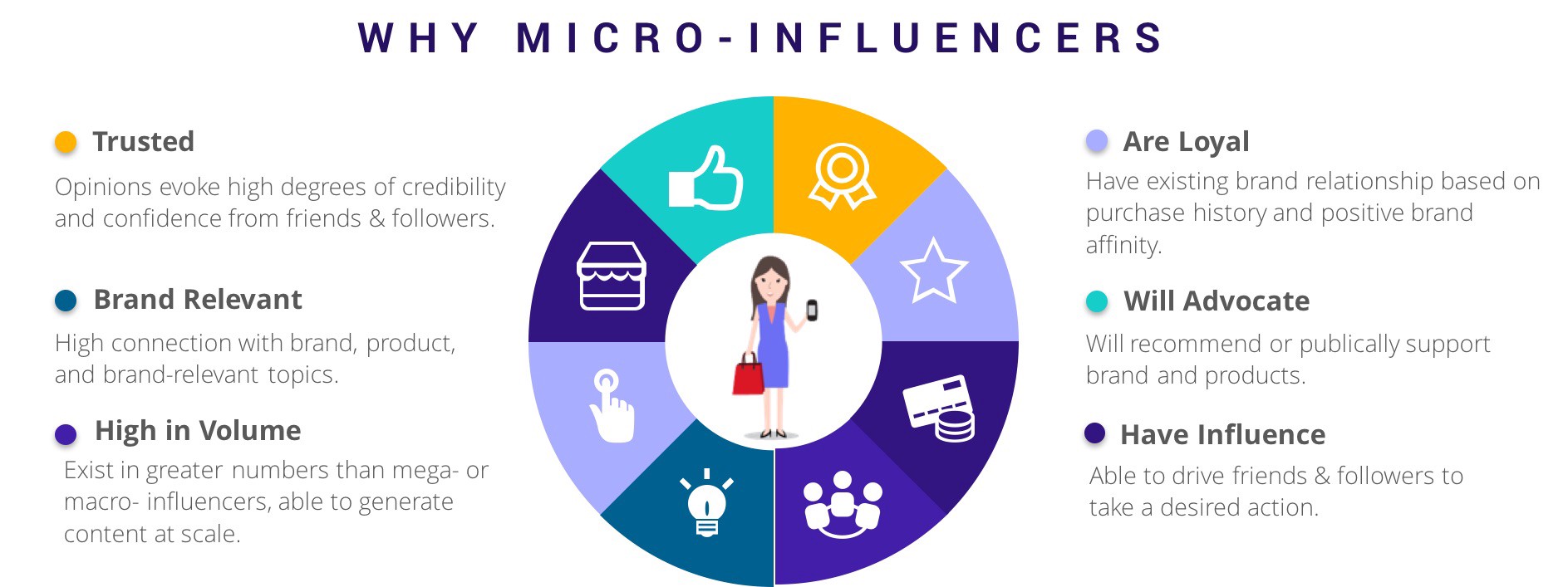
In the ever-evolving world of digital marketing, the term “influencer” has become a cornerstone in the strategies of brands aiming to connect with their target audience. As social media platforms continue to flourish, influencers come in all shapes and sizes, but one segment in particular is gaining momentum: micro-influencers. But, what exactly are micro-influencers, and why are they crucial for brands? Let’s delve deeper.
Understanding Micro-Influencers
Micro-influencers are individuals who hold a niche audience on social media platforms but generally have followers ranging from 1,000 to 100,000. Unlike macro-influencers and celebrities who boast millions of followers and mainstream appeal, micro-influencers tend to foster a more personal connection with their audience. This allows them to create engaging content that resonates deeply with their followers, making them a compelling choice for brands looking to leverage influencer marketing.
The Appeal of Micro-Influencers
-
Authenticity and Trust: Micro-influencers often enjoy a high level of trust from their audience. Factors such as genuine engagement, relatability, and a down-to-earth demeanor attract followers who appreciate their authenticity. This trust can translate into higher engagement rates and increased likelihood of followers acting on recommendations.
-
Niche Audiences: Most micro-influencers cater to specific niches. This category could include anything from fitness enthusiasts and skincare aficionados to gourmet food lovers or home DIYers. Brands can select micro-influencers with a following that aligns closely with their target market, enhancing the effectiveness of their marketing strategy.
-
Cost-Effectiveness: In comparison to macro-influencers, collaborating with micro-influencers is often more cost-effective. Brands can gain exposure without breaking the bank by investing significantly less for partnered content. This affordability allows small and medium-sized businesses to tap into influencer marketing without overspending.
-
Higher Engagement Rates: Statistically, micro-influencers tend to have higher engagement rates than their celebrity counterparts. Research shows that micro-influencers receive more likes, shares, and comments. This increased interaction often stems from their ability to forge a deeper connection with their audience, leading to a more engaged community.
-
Diversity of Content: Micro-influencers are typically more flexible with their brand partnerships, resulting in a wider variety of content styles. This diversity can be beneficial for brands looking for creative promotional strategies such as authentic storytelling through blogs, engaging videos, or visually appealing Instagram posts.
Why Brands Should Harness the Power of Micro-Influencers
As brands continuously search for sustainable ways to market themselves, understanding why micro-influencers are vital becomes crucial. Here’s a deeper examination:
1. Targeted Marketing
Micro-influencers understand their audience deeply, which allows brands to engage with specific demographics effectively. For instance, a brand selling eco-friendly products can collaborate with a micro-influencer who promotes sustainable living to connect with environmentally-conscious consumers.
2. Building Community and Loyalty
Micro-influencers can create communities around their content. This aspect can facilitate the growth of brand loyalty when brands align their messaging with the interests of the micro-influencer’s audience. Followers are more likely to trust brand endorsements that come via influencers they personally connect with, thus reinforcing the consumer-brand relationship.
3. Enhanced Brand Awareness
By collaborating with several micro-influencers, brands can leverage the cumulative reach of these influencers and create a ripple effect within specific communities. This exposure can lead to increased brand visibility and awareness without the overly promotional feel that often accompanies celebrity endorsements.

- Overcome negative thought patterns, reduce stress, and live a worry-free life
- Overthinking is the biggest cause of unhappiness
- Don't get stuck in a never-ending thought loop
- Stay present and keep your mind off things that don't matter, and never will
- Break free of your self-imposed mental prison
4. Long-term Partnerships
Many micro-influencers are interested in developing long-term relationships with brands rather than one-off promotions. Long-term partnerships can be advantageous for brands looking to create consistent narratives, leading to ongoing loyalty and continuous engagement with followers.
5. Authentic User-Generated Content
When micro-influencers create content featuring a brand’s product or service, it can amplify authentic user-generated content—public endorsements come in the form of real-world interaction. Brands can repurpose this content across their marketing channels, giving a genuine backstory to how consumers connect with their products.
Strategies for Working with Micro-Influencers
To successfully collaborate with micro-influencers, brands should adopt informed strategies that leverage the unique advantages offered by this group. Here are key steps to consider:
1. Identify Relevant Micro-Influencers
Invest time in researching potential micro-influencers who align with your brand’s values and target demographic. Utilize tools like social media analytics, influencer marketing platforms, or even organic searches on social media to find relevant voices.
2. Analyze Engagement and Authenticity
Don’t solely focus on follower counts; assess engagement rates, comments, and the types of interactions micro-influencers have with their audience. Focus on genuine, authentic voices rather than just the most popular options.
3. Build Relationships
Take the time to foster relationships with potential micro-influencers. Engage with their content, send personalized messages, and show genuine interest in their work. Establishing rapport will make your collaboration more fruitful and enjoyable.
4. Create a Clear Brief
When reaching out to micro-influencers, provide them with a clear brief detailing your expectations, campaign goals, and creative freedom they have to express your brand’s message. This helps ensure that they can maintain their authenticity while effectively promoting your products.
5. Measure Your Campaign Success
Monitor the success of your collaborations through metrics such as engagement rates, conversions, and overall reach. Use this information to refine your future campaigns and establish learnings that can enhance future partnerships.
Conclusion
Micro-influencers represent an evolving aspect of influencer marketing that holds incredible potential for brands seeking to enhance their reach, foster authentic connections, and engage specific target audiences. As consumer preferences shift towards authentic experiences over traditional advertising, the significance of micro-influencers continues to grow. By harnessing their unique strengths, businesses can achieve sustainable growth, build engaged communities, and ultimately thrive in an increasingly digital marketplace.
Understanding the impact and value of micro-influencers isn’t just a trend; it’s an evolution in consumer-brand relationships that reflects a broader shift towards authenticity and trust in marketing practices. Embracing these nuanced dynamics will prove essential for brands striving for success in the competitive landscape of today’s digital world. So, as you consider your marketing strategy, ask yourself: how can micro-influencers help tell your brand’s story? The answer lies in authenticity, connection, and community—three tenets that micro-influencers embody remarkably well.


