
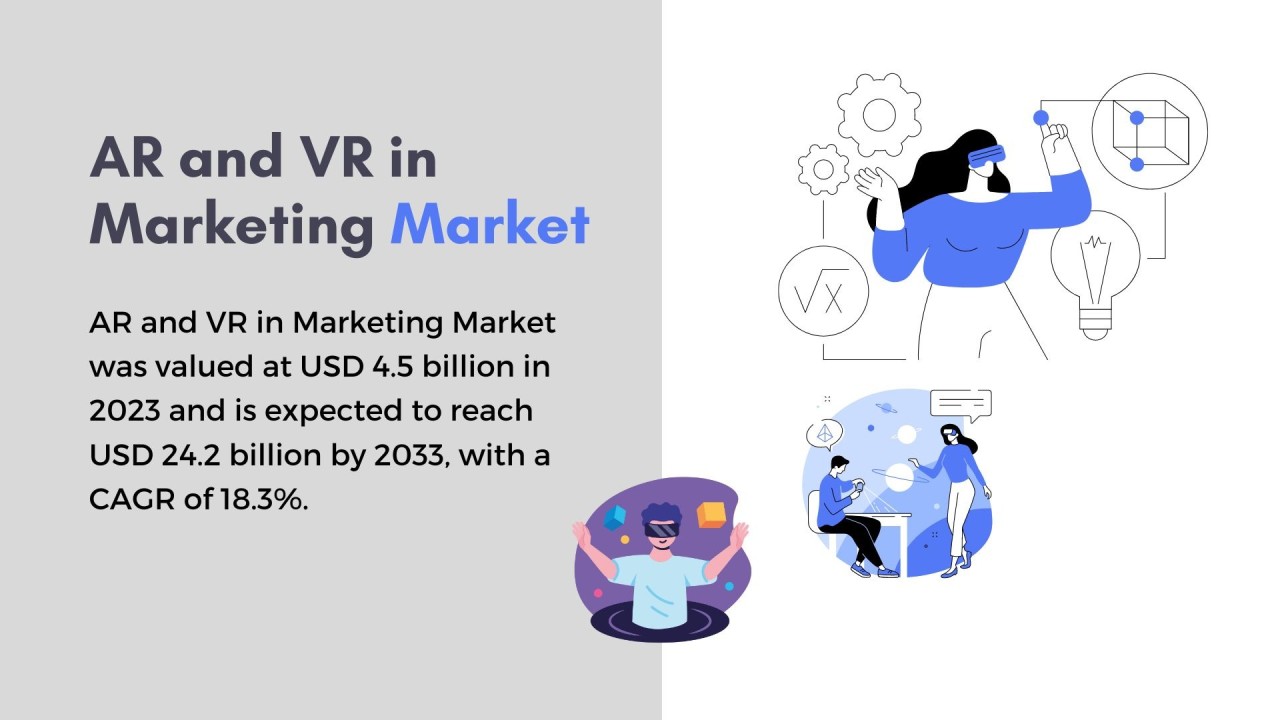
In the ever-evolving landscape of marketing and advertising, businesses are continually striving to find innovative ways to engage customers. As technology advances at a lightning speed, it’s no surprise that Augmented Reality (AR) and Virtual Reality (VR) have emerged as powerful tools that are transforming the digital advertising space. As we explore the impact of AR and VR on advertising campaigns, we’ll uncover how these technologies are reshaping consumer engagement and driving brand awareness like never before.
Understanding AR and VR
Before diving into their applications in advertising, it’s essential to understand what AR and VR are. AR blends digital elements with the real world, overlaying graphics, sounds, and other sensory input onto our physical surroundings through smartphones, tablets, or AR glasses. On the other hand, VR immerses users in a completely virtual environment, often requiring headsets or other devices to simulate a different reality. Both technologies provide unique opportunities for brands to captivate consumers and create memorable experiences.
Enhanced Customer Engagement
One of the primary challenges facing advertisers is capturing and maintaining customer attention. Traditional advertising methods, such as static banners or television commercials, often struggle to create a lasting impact. AR and VR break through this barrier by fostering interactive experiences that encourage consumers to engage with products and brands actively.
For instance, IKEA’s app allows customers to visualize how furniture would look in their home before making a purchase. By using AR to superimpose digital images of furniture in real-time, customers can experiment with different styles and layouts. This enhanced level of interactivity not only enriches the user experience but significantly increases the likelihood of conversion, as prospective buyers can feel more confident about their decisions.
Immersive Storytelling
Storytelling has long been a powerful tool in advertising, but AR and VR take it to a new level. These technologies enable brands to craft immersive narratives that resonate with consumers on a deeper emotional level. For example, in VR campaigns, users can step into a story, walking alongside characters in a virtual world and becoming part of the narrative. This level of engagement fosters a more profound connection between the customer and the brand, making advertisements feel less like a sales pitch and more like an experience.
A notable example is the campaign by Oculus, which offered a VR experience called “The Unseen World.” Users could don a VR headset and experience the thrill of flying in a hot air balloon, gaining a new perspective on the world. By engaging the senses and making the consumer an active participant in the story, brands like Oculus create memorable experiences that stand out in consumers’ minds.
Virtual Try-Ons
The beauty and fashion industries are embracing AR technology in revolutionary ways. Virtual try-ons enable potential buyers to see how products look and feel before making a purchase. Brands such as Sephora and Warby Parker have integrated AR features into their apps, allowing customers to try on makeup, eyewear, and more from the comfort of their homes.
By providing customers with the ability to visualize products on themselves, businesses eliminate uncertainty and boost customer confidence in their purchases. This kind of personalization not only increases sales but also enhances customer satisfaction, leading to loyalty and repeat business.
Data-Driven Insights
Data is the backbone of effective advertising campaigns. AR and VR technologies allow businesses to gather valuable data on customer interactions and behaviors, providing insights that can help refine future strategies. By understanding how users interact with virtual content, brands can tailor their marketing efforts to meet consumer preferences more accurately.
For instance, data from AR experiences can reveal which products consumers engage with the most or what features resonate strongly during virtual try-ons. This information can lead to more targeted advertising, as brands can refine their messaging and offer products that align with customer interests.
Targeting and Segmentation
AR and VR allow for precise targeting and segmentation of audiences. Brands can create customized experiences for different demographics or consumer segments, ensuring that their campaigns resonate more effectively with specific groups. For example, a clothing retailer might use AR to create a campaign tailored to young adults, showcasing trendy styles that appeal to that age group, while also crafting a separate VR experience targeting older adults, featuring classic fashion styles.
By leveraging consumer data and insights, brands can personalize their marketing efforts and optimize their advertising spend for maximum impact. This level of targeted advertising is more effective in capturing consumer attention and increasing conversion rates.

- Overcome negative thought patterns, reduce stress, and live a worry-free life
- Overthinking is the biggest cause of unhappiness
- Don't get stuck in a never-ending thought loop
- Stay present and keep your mind off things that don't matter, and never will
- Break free of your self-imposed mental prison
Overcoming Physical Barriers
Physical limitations can hinder consumers’ ability to experience products completely, especially in industries like real estate or travel. AR and VR eliminate these barriers by providing virtual tours and experiences that simulate real-life situations.
Real estate agents, for example, can offer virtual home tours, allowing potential buyers to explore properties from their homes. Similarly, travel companies can create immersive VR experiences that showcase destinations, helping customers envision themselves enjoying a vacation in a specific location before booking.
By breaking down these physical barriers, brands increase accessibility and open doors to new customers who may not have previously considered their products or services.
Sustainable Advertising Solutions
As consumers become more environmentally conscious, businesses are reevaluating their impact on the planet. Traditional advertising methods, such as print ads and billboards, contribute to waste and pollution. AR and VR present sustainable alternatives by reducing the need for physical materials.
With digital experiences, brands can convey their messages without harming the environment. For example, rather than producing printed materials for a product launch, a fashion brand could create an interactive AR experience that allows users to explore their latest collection digitally. This not only aligns with customers’ values but also positions the brand as innovative and eco-friendly.
Building Brand Loyalty
Creating an unforgettable experience can turn customers into loyal advocates for a brand. AR and VR campaigns have the potential to leave a lasting impression that keeps consumers coming back for more. When brands succeed in delivering exceptional experiences through these technologies, it leads to increased customer loyalty and brand advocacy.
An excellent illustration of this is the success of Pokémon GO. The mobile game combined AR technology with viral brand engagement, encouraging players to explore their surroundings while capturing virtual Pokémon. The game not only captured the imaginations of millions but also drove users to local businesses, subsequently creating beneficial partnerships for companies involved.
Challenges and Considerations
While AR and VR present exciting opportunities for enhancing digital advertising campaigns, they are not without challenges. Development costs for high-quality AR and VR experiences can be significant, and smaller businesses may find it difficult to allocate budgets for this technology.
Moreover, there’s the issue of accessibility. Not all consumers have access to the latest devices capable of supporting AR and VR applications, which may limit the reach of campaigns. Therefore, brands should carefully consider their target audience and the potential return on investment before diving into these technologies.
Future Trends
The future of AR and VR in advertising looks bright, with several exciting trends on the horizon. As technology continues to advance, we can expect to see even more innovative applications in advertising campaigns.
For example, as 5G networks become more widespread, they will enable seamless and high-quality AR and VR experiences with minimal lag. This will make it easier for brands to create immersive experiences that captivate consumers.
Additionally, advancements in artificial intelligence will allow for even greater personalization of AR and VR experiences. Marketers will be able to create campaigns tailored to individual preferences based on past behaviors and interactions, making consumers feel valued and understood.
Conclusion
AR and VR are no longer just futuristic concepts; they are tangible tools driving a new era of digital advertising. By enhancing customer engagement, storytelling, and personalized experiences, these technologies have the potential to revolutionize how brands connect with consumers.
As businesses navigate the ever-changing marketing landscape, incorporating AR and VR into advertising campaigns can set them apart from the competition. By embracing innovation and leveraging these powerful tools, brands can create memorable experiences that leave a lasting impression, ultimately driving sales and building customer loyalty. The time is now for businesses to explore the myriad opportunities that AR and VR offer in enhancing their digital advertising strategies and making their mark in the world of marketing.
In a landscape where attention spans are dwindling and consumer preferences are shifting rapidly, AR and VR offer the promise of deeper engagement and a more significant return on investment. As more brands recognize the potential of these technologies, the future of advertising stands to be as engaging and immersive as ever before. Whether you’re a marketer looking to revamp your strategies or a consumer curious about the latest trends, the intersection of AR, VR, and advertising is one worth watching closely.


