
In the rapidly evolving world of digital marketing, social media platforms emerge and transform at lightning speed. With the ascent of TikTok, brands are presented with an unprecedented opportunity to engage with audiences in unique and impactful ways. As we look toward 2025, the question many marketers, business owners, and brand strategists are asking is: why should brands invest in TikTok marketing?
TikTok has transcended its reputation as just a platform for funny dances and viral challenges. It has developed into a versatile marketing tool, showcasing the power of creativity, authenticity, and connection. In this article, we will explore the various reasons why brands should allocate their marketing dollars to TikTok in the coming years, considering demographic insights, engagement metrics, content strategies, and future trends.
Understanding TikTok’s Audience
To understand why brands should invest in TikTok marketing, we must first look at the platform’s demographics. As of 2023, TikTok boasts over 1 billion active users, and this number is expected to grow. One of the most compelling aspects of TikTok is its appeal to Gen Z and Millennials. According to data from 2023, nearly 60% of TikTok users are between the ages of 16 and 34. This demographic represents a significant consumer base that values creativity, individuality, and brand authenticity.
Importantly, TikTok’s audience isn’t just young consumers. As baby boomers and Gen X users flock to the platform, marketers have an opportunity to connect with a diverse age range. Brands that embrace TikTok can further reach family-oriented users, thereby broadening their target audience. Ignoring this platform means potentially overlooking engaging with a substantial consumer segment.
High Engagement Rates
Engagement is key to any successful marketing strategy. TikTok stands out with its exceptional engagement rates. Reports show that TikTok users spend an average of 52 minutes per day on the app. Furthermore, TikTok is ahead of its competitors in terms of time spent on the platform— users engage with content for longer periods, resulting in higher interactions for brands.
For comparison, Instagram posts receive an engagement rate of approximately 1.22%, while TikTok videos can garner engagement rates of up to 18%. This signifies that audiences are actively participating, liking, sharing, and commenting on content, allowing brands to develop deeper relationships with users. Higher engagement rates translate into increased brand awareness and loyalty.
Creative and Authentic Marketing
In 2025, consumers are expected to continue seeking authenticity from brands. TikTok thrives on user-generated content, creativity, and rawness. Unlike polished advertisements on traditional platforms, TikTok welcomes a more genuine, relatable form of marketing. Brands that tap into this creative spirit can produce content that resonates with audiences on a human level.
The platform’s unique algorithm amplifies user-generated content, meaning that even smaller brands can achieve visibility through clever, engaging videos. Brands can participate in trending challenges, collaborate with influencers, and engage with the community to bolster their visibility creatively. This inherently lowers barriers for entry, allowing brands with various budgets to capitalize on TikTok’s vast audience.
Influencer Collaborations
Influencer marketing is not new, but TikTok has revolutionized how brands collaborate with industry figures. The platform has cultivated a unique breed of influencers who command attention through their creativity and relatability. Influencers on TikTok often have highly engaged communities and can deliver authentic and persuasive messages to their followers.
By partnering with TikTok creators, brands can tap into established audiences while also benefiting from the personality and style that an influencer brings to their marketing campaigns. TikTokers are known for their ability to create viral content that can skyrocket brand visibility overnight. By 2025, influencer marketing on TikTok will become even more integral as brands seek to forge authentic connections with consumers.
Innovative Advertising Options
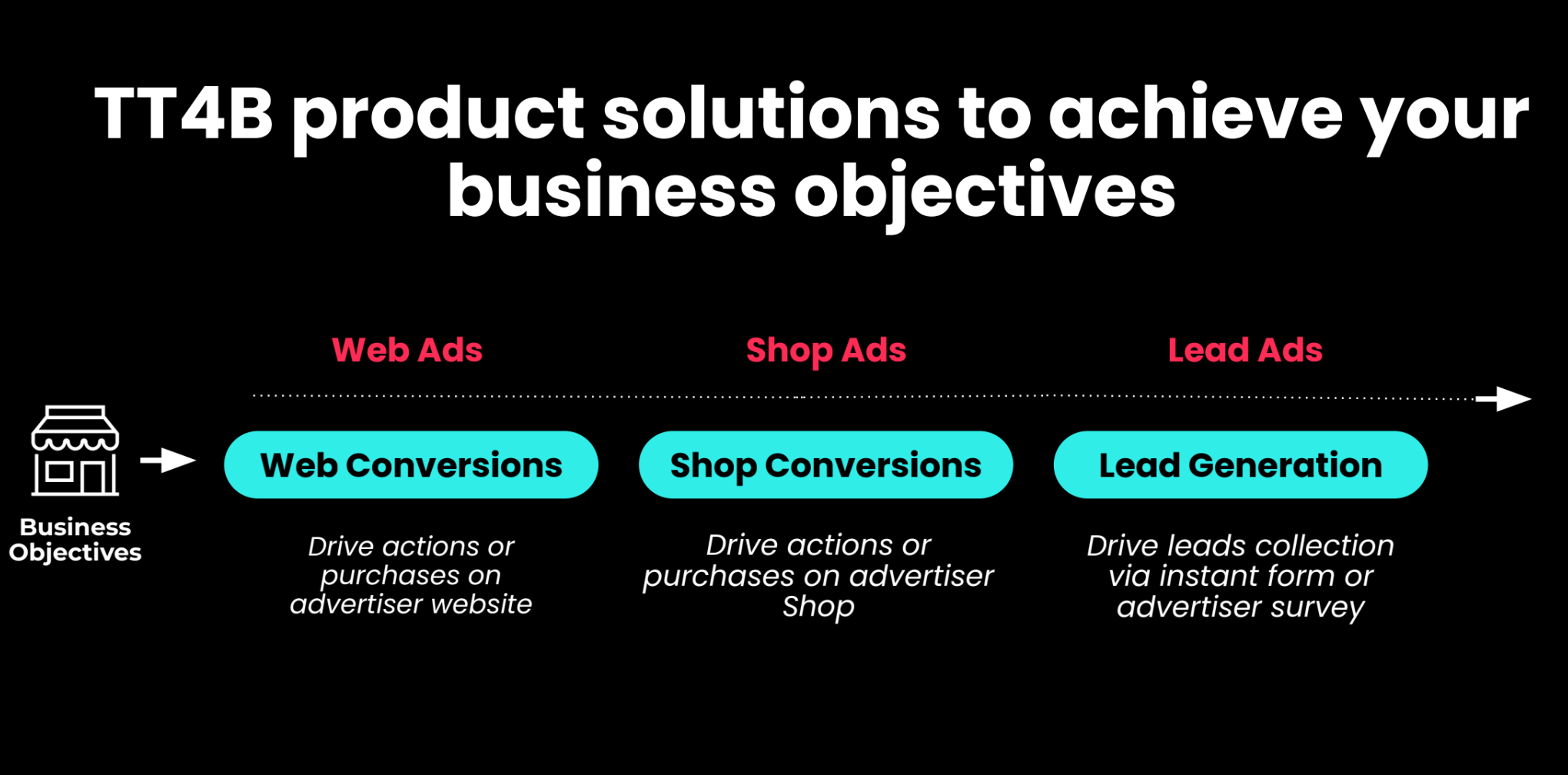
As TikTok continues to evolve, it also introduces innovative advertising options. The platform has rolled out features such as In-Feed Ads, TopView ads, Branded Hashtag Challenges, and Branded Effects that allow brands to engage with users creatively.
-
In-Feed Ads appear in users’ For You pages seamlessly, blending with organic content. Brands can use this format to drive traffic to their website or promote app installations.
-
TopView Ads are full-screen ads that appear when users first open the app. This premium placement guarantees high visibility.
-
Branded Hashtag Challenges encourage user participation by using a custom hashtag. When users create content for the challenge, it naturally drives conversations and ultimately encourages brand engagement.
-
Branded Effects let companies create custom filters and stickers that users can incorporate into their videos. This fosters creativity and allows users to interact with the brand directly.
As TikTok continues to innovate, keeping an eye on its advertising options in 2025 will be essential for brands looking to maximize their impact.

- Overcome negative thought patterns, reduce stress, and live a worry-free life
- Overthinking is the biggest cause of unhappiness
- Don't get stuck in a never-ending thought loop
- Stay present and keep your mind off things that don't matter, and never will
- Break free of your self-imposed mental prison
Building Community and Brand Loyalty
Building community is paramount in today’s marketing landscape. TikTok presents a unique opportunity for brands to foster belonging among users. The platform encourages interaction through comments, duets, stitches, and reaction videos, allowing brands to engage in real conversations with their audience.
This level of interaction can significantly build brand loyalty. By being part of the community dialogue, responding to comments, and creating content based on feedback and trends, brands can show they value their consumers’ opinions. Engaging with audiences in this way allows brands to humanize themselves, ultimately leading to repeat customers and brand advocates.
Addressing Social Issues and Trends
Consumers today are increasingly concerned with social issues, and brands that take a stand often resonate more deeply with their audiences. TikTok allows brands to engage with trending topics and serves as a platform for social responsibility campaigns. By aligning their marketing strategies with relevant social issues—whether it’s sustainability, equality, or mental health—brands can attract consumers who share those values.
By becoming part of essential conversations occurring on TikTok, brands can create content that not only showcases their products but also highlights their commitment to these principles. In 2025, being socially conscious will not be just preferred, but expected, and TikTok offers an ideal stage for these necessary discussions.
Leveraging Data and Analytics
Data-driven decisions are vital in modern marketing. TikTok offers comprehensive analytics tools that help brands gain insights into audience behavior and engagement metrics. These analytics provide valuable information about which content resonates most with the audience, enabling brands to fine-tune their marketing strategies continually.
In 2025, leveraging the power of data through TikTok’s analytics will be essential for brands to achieve their marketing goals. Understanding performance, audience demographics, engagement rates, and trends allows for optimizing content and enhancing return on investment.
Future Innovations and Trends
Technology continues to advance, and the future of TikTok may bring even more possibilities for brands. As we look to 2025, it’s important to consider the potential for augmented reality (AR) and virtual reality (VR) experiences within the platform. Imagine immersive marketing campaigns that invite users to interact with products in a virtual space, blurring the lines between physical and digital worlds.
Furthermore, TikTok has also focused on shopping capabilities, integrating e-commerce features that allow users to purchase products directly through the app. By investing in TikTok marketing as the platform advances, brands can tap into these pioneering trends, providing seamless shopping experiences for their audience.
The Competitive Edge
Investing in TikTok marketing by 2025 isn’t just a trend; it will be a necessity for brands looking to stay competitive in an increasingly crowded digital landscape. Over the next few years, we can expect an influx of brands recognizing the platform’s potential, which could lead to saturated content and competition.
Brands must act now to establish their presence on TikTok and stand out in the crowd. Authenticity, creativity, and genuine engagement will be the deciding factors that allow brands to differentiate themselves from the competition. The earlier businesses dive into TikTok marketing, the sooner they can build a loyal following and become thought leaders in their categories.
Conclusion
With its immense potential for engagement, creativity, and community-building, TikTok stands poised to become a cornerstone of brand marketing strategies by 2025. As consumers continue to demand authenticity and creativity, brands that seize the opportunity to invest in TikTok can build deeper connections, cultivate loyalty, and drive sales.
From innovative advertising options to influencer collaborations and leveraging user-generated content, the advantages TikTok offers are profound. As we venture further into the digital age, brands that harness the power of TikTok today will be better equipped to navigate the future of marketing.
In conclusion, the question is not whether brands should invest in TikTok marketing in 2025. Instead, the inquiry should be: how can brands afford not to invest in this dynamic platform? By engaging with TikTok’s vibrant community, brands will become part of the next wave of digital marketing evolution—one that centers creativity, authenticity, and ultimately, connection.


