
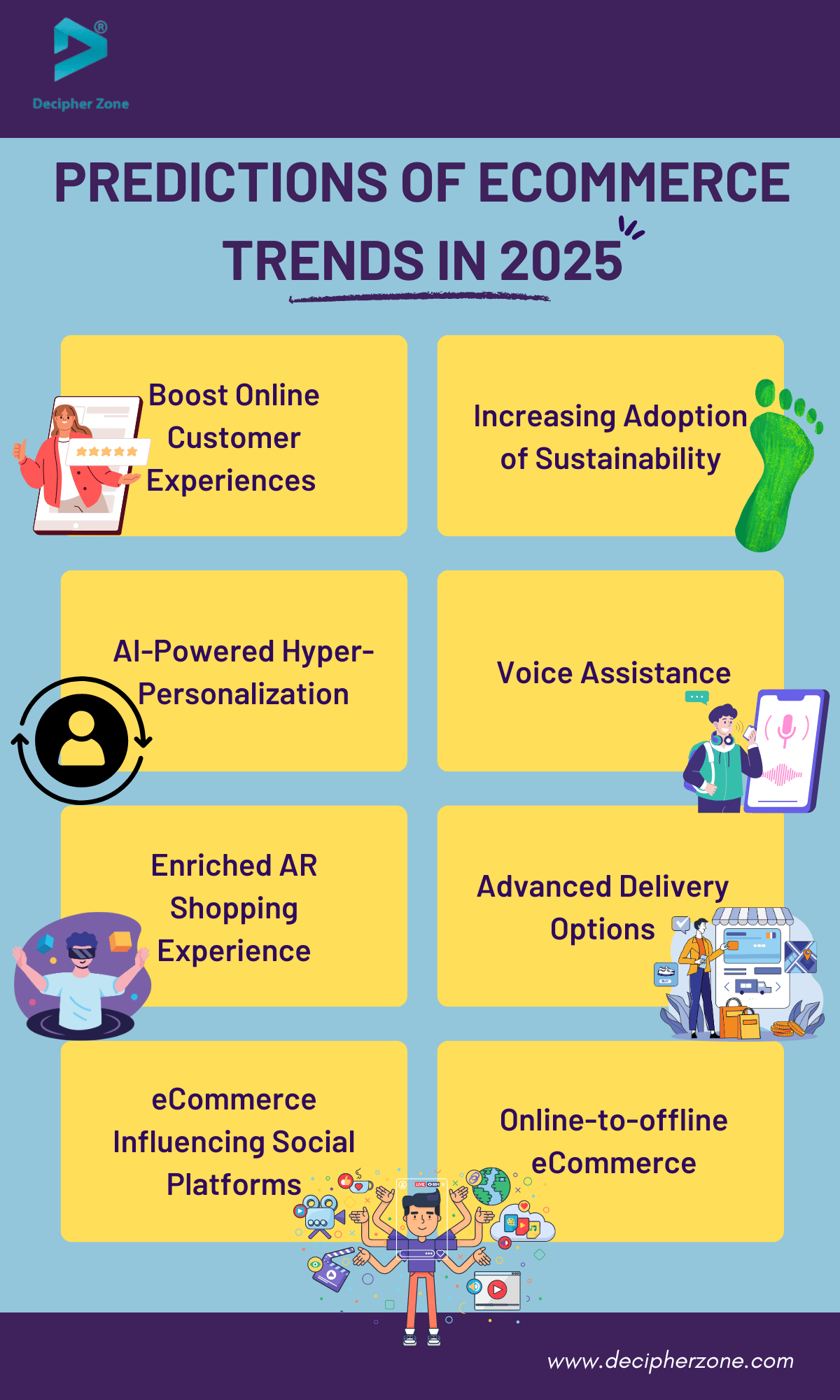
As we edge closer to 2025, the landscape of e-commerce continues to evolve at a breathtaking pace. With technological advancements, changing consumer behaviors, and the rise of new platforms, the online shopping experience is set to change in ways we’ve only begun to imagine. Whether you’re a seasoned e-commerce professional or a budding entrepreneur seeking to carve your niche in the digital marketplace, understanding the upcoming trends is crucial for staying competitive. Let’s dive into the ten e-commerce trends that are poised to dominate in 2025.
1. The Rise of Artificial Intelligence and Machine Learning
Artificial Intelligence (AI) and Machine Learning (ML) are not just buzzwords; they’re transformative technologies that are reshaping the e-commerce sector. As more retailers adopt these technologies, we can expect hyper-personalized shopping experiences. AI-driven algorithms will analyze user behavior to provide tailored recommendations based on past purchases, browsing history, and even social media interactions.
What to Expect: By 2025, e-commerce sites will leverage AI for chatbots, virtual assistants, and predictive analytics, making it easier for customers to find what they need efficiently. Expect improved customer service that operates round the clock and provides instant responses, thus enhancing overall customer satisfaction.
2. Growth of Voice Commerce
The proliferation of smart speakers such as Amazon Echo, Google Home, and Apple HomePod has made voice assistants a common household feature. Voice commerce is set to revolutionize how consumers interact with online stores. By 2025, it’s estimated that nearly 50% of all searches will be conducted via voice.
What to Expect: E-commerce websites will need to optimize their content for voice search, focusing on natural language keywords and conversational tones. This trend will lead to a rise in the use of voice-activated shopping experiences, where consumers can make purchases, reorder products, and receive recommendations simply by speaking.
3. Sustainability and Ethical Shopping
More consumers than ever are considering the environmental impact of their purchases. In 2025, the demand for sustainable practices in e-commerce will only intensify. Brands that prioritize eco-friendly products, transparent supply chains, and ethical sourcing will rise to prominence.
What to Expect: Companies will adopt sustainable packaging solutions and reduce carbon footprints through optimized logistics. E-commerce platforms will highlight ethical brands, allowing consumers to make conscious purchasing decisions. Expect to see more eco-conscious consumers supporting brands that align with their values.
4. The Emergence of Augmented Reality (AR)
Augmented Reality (AR) has the potential to enhance the online shopping experience significantly. By overlaying digital content onto the real world, AR allows customers to virtually try on clothes, visualize furniture in their homes, or even test out cosmetics.
What to Expect: By 2025, AR will become mainstream in e-commerce, decreasing return rates as customers can make better-informed purchase decisions. Retailers will invest in AR technology, using it not just to engage customers but to provide innovative and immersive shopping experiences.
5. Mobile-First Shopping
With smartphones flooding the market and consumers increasingly relying on mobile devices for shopping, a mobile-first approach is mandatory. As faster networks like 5G become widely available, e-commerce platforms will need to focus on optimizing mobile experiences.
What to Expect: By 2025, we can anticipate a surge in mobile payment options like digital wallets and one-click purchase functionalities. Brands will also invest in mobile apps that provide unique features, exclusive offers, and tailored content to enhance user engagement and maximize conversions.

- Overcome negative thought patterns, reduce stress, and live a worry-free life
- Overthinking is the biggest cause of unhappiness
- Don't get stuck in a never-ending thought loop
- Stay present and keep your mind off things that don't matter, and never will
- Break free of your self-imposed mental prison
6. Integration of Social Commerce
Social media platforms are no longer just places to connect; they are now shopping hubs. Instagram, Facebook, TikTok, and Pinterest enable brands to sell products directly through posts and stories, creating a seamless shopping experience for users.
What to Expect: The integration of social commerce will become a significant revenue-generating channel for brands. By 2025, businesses will adopt strategies that blend social media engagement with shopping experiences, encouraging impulse purchases. Expect to see features like shoppable posts, live shopping events, and influencer collaborations dominating the landscape.
7. Enhanced Cybersecurity Measures
As e-commerce grows, so too do concerns over cybersecurity. Consumers desire assurance that their personal and financial information is secure. By 2025, e-commerce platforms will be required to adopt more robust security measures.
What to Expect: Expect increased investment in encryption technologies, two-factor authentication systems, and compliance with stricter regulations like GDPR and CCPA. A commitment to cybersecurity will become a strong selling point for brands, enhancing consumer trust and loyalty.
8. Subscription-Based Shopping Models
The subscription economy is booming, and by 2025, more businesses will adopt subscription models as a way to drive revenue and customer retention. This approach allows consumers to receive products regularly without the hassle of reordering each time.
What to Expect: From meal kits to clothing boxes and niche products, expect a diversification of subscription offerings. Brands will focus on creating personalized subscription services that cater to individual preferences, further enhancing customer loyalty and satisfaction.
9. Blurring Lines Between Online and Offline Shopping
The traditional notion of shopping is evolving with hybrid models that combine both online and offline experiences. Omnichannel retailing will allow customers to engage with brands through various touchpoints, whether online or in-store.
What to Expect: By 2025, an increase in click-and-collect options will be evident, allowing customers to order online and pick up in-store. Augmented reality will facilitate seamless transitions between digital and physical shopping experiences, creating a cohesive customer journey.
10. Blockchain Technology
Blockchain technology, often associated with cryptocurrencies, holds immense potential for e-commerce. Its decentralized nature can enhance transparency and trust in transactions while streamlining supply chains.
What to Expect: By 2025, we can anticipate increased adoption of blockchain for secure payment processing, verifying product authenticity, and tracking inventory in real-time. This technology will not only reduce fraud but also provide consumers with peace of mind regarding their purchases.
Conclusion
The e-commerce landscape is set for exciting innovations and shifts by 2025. Staying aligned with these trends will be essential for businesses looking to thrive in the competitive online marketplace. From embracing AI and AR to focusing on sustainability and cybersecurity, understanding these dynamics will empower businesses to create enhanced shopping experiences tailored to the evolving needs and preferences of consumers. As we look ahead, the question isn’t whether these trends will shape the future; it’s a matter of how effectively businesses can adapt and innovate to stay relevant. So, gear up and embrace the future of e-commerce—you won’t want to miss out!


