
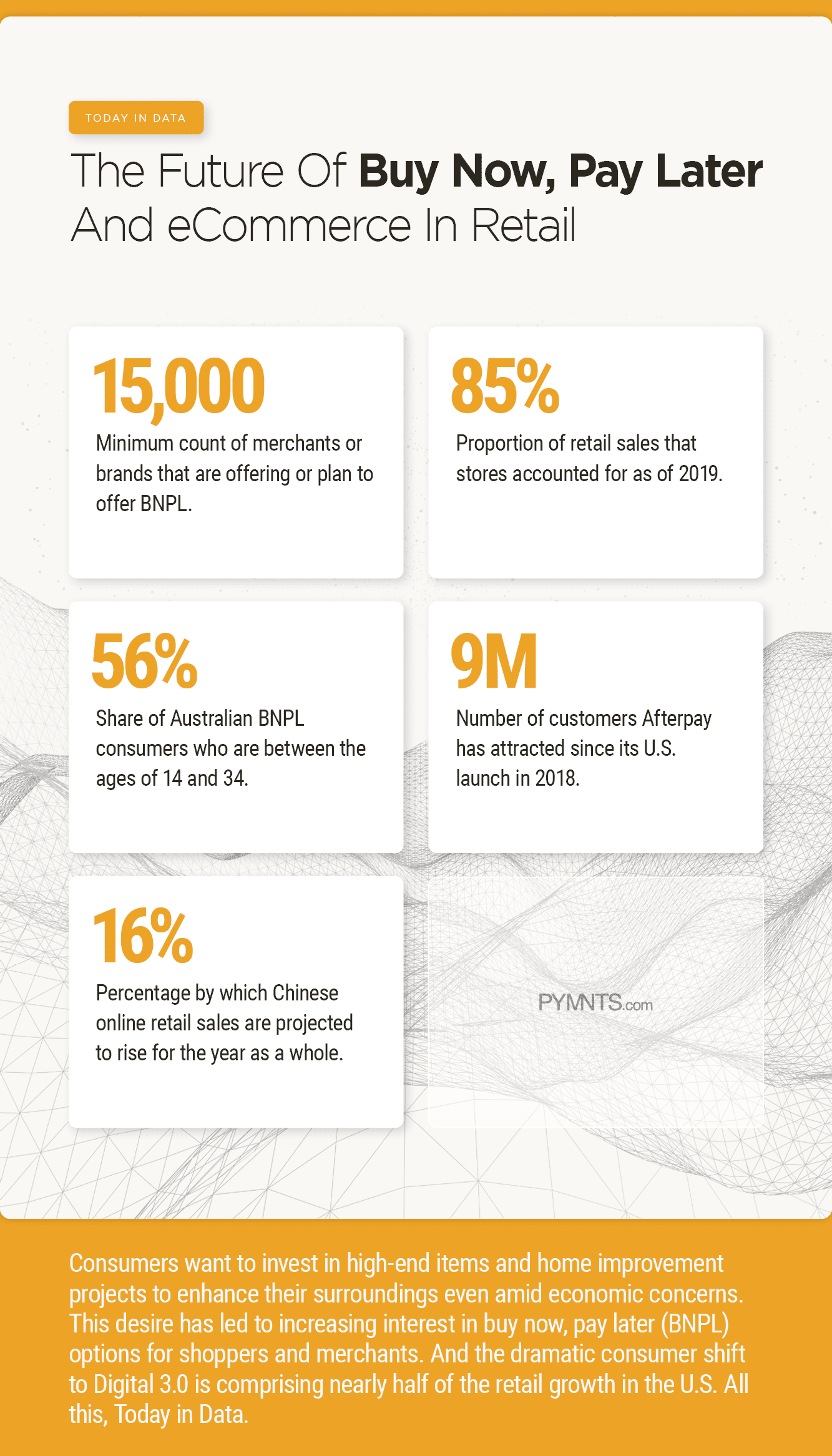
In recent years, the retail landscape has undergone a dramatic transformation, partly fueled by the rise of technology and consumer demand for flexibility. One of the most significant developments in this space is the proliferation of Buy Now, Pay Later (BNPL) services. These services have gained immense popularity, especially among younger consumers, and are changing the way people shop. But what does the future hold for BNPL in retail? In this article, we’ll delve into the ins and outs of BNPL, its advantages and challenges, and what it means for both shoppers and merchants in the coming years.
What is Buy Now, Pay Later (BNPL)?
Buy Now, Pay Later (BNPL) refers to a payment option that allows consumers to purchase items immediately and defer payment, often without interest, over a series of installments. This innovative payment method typically breaks the total cost into smaller, manageable payments, allowing consumers to spread their spending and avoid large upfront costs. Popularized by fintech companies like Affirm, Klarna, and Afterpay, BNPL has captured the attention of millennials and Gen Z shoppers, who appreciate its accessibility and convenience.
The Appeal of BNPL
1. Financial Flexibility
For many consumers, particularly younger generations who may be navigating student debt or entry-level salaries, BNPL services provide a financial lifeline. By allowing shoppers to purchase necessary items—such as clothing, electronics, or even travel packages—without requiring the entire payment upfront, BNPL enables them to manage their finances better. For instance, a traveler can book a vacation package today while paying off the cost over several months, making dream trips more attainable.
2. Zero or Low Interest Rates
Many BNPL providers offer interest-free payment plans, which can significantly reduce the cost of purchasing items. Unlike traditional credit cards, which can charge high-interest rates, BNPL services often allow consumers to pay off their purchases within a set period (usually six to twelve weeks) without incurring interest. This provides a cost-effective option for shoppers who might otherwise rely on credit cards, leading to better financial management and increased consumer trust.
3. Instant Approval Process
Consumers appreciate the seamless and fast approval process commonly associated with BNPL services. Unlike traditional loan applications, which may require extensive paperwork and take days for approval, BNPL decisions are made within minutes using digital platforms. This instant gratification aligns well with today’s fast-paced shopping environment, appealing especially to younger shoppers comfortable with technology.
4. Enhanced Shopping Experience
BNPL options can enhance the overall shopping experience, leading to increased customer satisfaction. Many retailers integrate BNPL options directly into their checkout process, allowing seamless transitions from shopping to payment. Consumers feel empowered to make larger purchases or try new products without immediate financial pressure, which can lead to higher shopping cart values.
The Growing Popularity of BNPL
Recent studies indicate that BNPL usage has skyrocketed. According to a report from the Worldpay Global Payments Report, the BNPL sector is expected to grow significantly, accounting for a substantial portion of global e-commerce sales. This shift reflects broader changes in consumer shopping behavior, emphasizing convenience, flexibility, and a desire for better financial control.
The Impact of BNPL on Retailers
1. Increased Sales
For retailers, integrating BNPL into their payment methods can drive sales and boost conversion rates. By providing customers with the option to manage their payments, retailers can attract larger demographics and encourage impulse spending. Research shows that shoppers are likely to spend more when given the BNPL option, with many buyers reporting higher average transaction values.
2. Competitive Advantage
In a saturated retail landscape, offering BNPL can set businesses apart from competitors. As consumers increasingly seek flexible payment options, retailers that adopt BNPL can improve customer loyalty and attract new shoppers. It becomes not just a payment method but a powerful marketing tool to elevate brand perception and customer engagement.
3. Better Customer Insights
Partnering with BNPL providers can give retailers invaluable insights into consumer spending habits and preferences. This data can inform marketing strategies and inventory management, ultimately enhancing the customer experience. Retailers can analyze which products are frequently purchased using BNPL, further refining their offerings according to customer demand.
4. Risk Management
While BNPL offers many advantages, it also presents challenges for retailers. There’s an inherent risk involved in deferred payments, particularly if consumers overextend themselves, leading to potential defaults on payments. Retailers must choose BNPL partners wisely, ensuring that they have systems in place to mitigate risks associated with consumer defaults and collection processes.

- Overcome negative thought patterns, reduce stress, and live a worry-free life
- Overthinking is the biggest cause of unhappiness
- Don't get stuck in a never-ending thought loop
- Stay present and keep your mind off things that don't matter, and never will
- Break free of your self-imposed mental prison
Challenges Surrounding BNPL
Despite its many benefits, BNPL is not without its challenges. It has triggered discussions around responsible lending practices and the potential impacts on consumers’ financial health.
1. Consumer Debt Risk
One of the most significant concerns regarding BNPL services is the risk of encouraging consumers to accumulate debt. Even though BNPL appears to be a low-risk option, it can lead users to spend beyond their means. This is particularly worrying in a landscape where many consumers are already burdened with existing debt, including student loans and credit card balances.
2. Regulatory Scrutiny
As BNPL continues to gain traction, regulatory bodies in several countries are beginning to scrutinize these services. Governments are assessing whether BNPL providers should be subject to the same regulations as traditional lenders to protect consumers from predatory practices. The outcome of these assessments could lead to changes in how BNPL operates, impacting its future growth.
3. Lack of Financial Literacy
Many consumers, particularly younger ones, may not fully understand the implications of using BNPL services. It’s crucial for both providers and retailers to educate consumers about the potential risks and responsibilities involved, so shoppers feel empowered to make informed financial decisions. Without proper education, users may overlook the potential pitfalls of accruing debt without fully grasping the long-term impact on their fiscal health.
The Future of BNPL in Retail
As we look to the future, it’s essential to consider how emerging trends and technological advancements could shape BNPL services in retail.
1. Integration of BNPL with E-commerce
The ongoing evolution of e-commerce will likely see BNPL become more integrated into online shopping experiences. With the rise of social commerce and live shopping events, BNPL could play a critical role in creating seamless payment solutions that encourage impulse buying. Retailers who utilize BNPL as part of a comprehensive online shopping strategy may find increased success in navigating the digital landscape.
2. Micro and Nano Payments
The rise of micro and nano payments—small, incremental payments for digital products or services—could present new opportunities for BNPL providers. We’ve already begun to see this trend in sectors like gaming, streaming services, and e-learning. By incorporating BNPL options for such small purchases, providers can tap into an expanding market segment that prioritizes convenience and flexibility.
3. Enhanced Technology and Personalization
Technological advancements will continue to influence the BNPL landscape. Artificial intelligence (AI) and machine learning algorithms could enable more accurate credit assessments, improving risk management and reducing defaults. Additionally, personalized offers based on shopping behavior and preferences could enhance the user experience, leading to increased usage and customer satisfaction.
4. Greater Focus on Responsibility
The demand for responsible lending practices will likely grow as consumer awareness increases. BNPL providers may face pressure to develop systems that encourage financial responsibility, such as limits on spending based on income. Implementing tools for budgeting and tracking payments could empower users to make informed spending decisions while minimizing the risk of accruing debt.
5. Collaboration with Traditional Lenders
As BNPL continues to evolve, collaborations between BNPL providers and traditional lenders could become more prevalent. By working together, these entities can create hybrid models that leverage the strengths of both sectors, ensuring consumers have access to flexible payment options while maintaining responsible lending practices.
6. Expansion into New Markets
Finally, the BNPL trend is likely to expand beyond its current markets, particularly into regions where access to credit is limited. As more retailers adopt these services and consumers become acquainted with flexible payment options, BNPL may flourish in developing markets where traditional banking services are less accessible.
Conclusion
The future of Buy Now, Pay Later (BNPL) in retail is bright, characterized by innovation and ample opportunities for both consumers and retailers. By offering financial flexibility, enhancing shopping experiences, and driving sales, BNPL is redefining how we shop and pay. However, stakeholders must prioritize responsible lending, consumer education, and technological advancements to ensure the continued success of BNPL while safeguarding consumers’ financial well-being.
As we navigate this ever-changing landscape, one thing is clear: BNPL is here to stay, and its impact on the future of retail is undeniable. Whether you’re a shopper seeking flexibility or a merchant looking to attract and retain customers, understanding this evolution is crucial. Embrace the change, consult your resources, and make informed decisions that pave the way for a positive shopping experience for all.


