
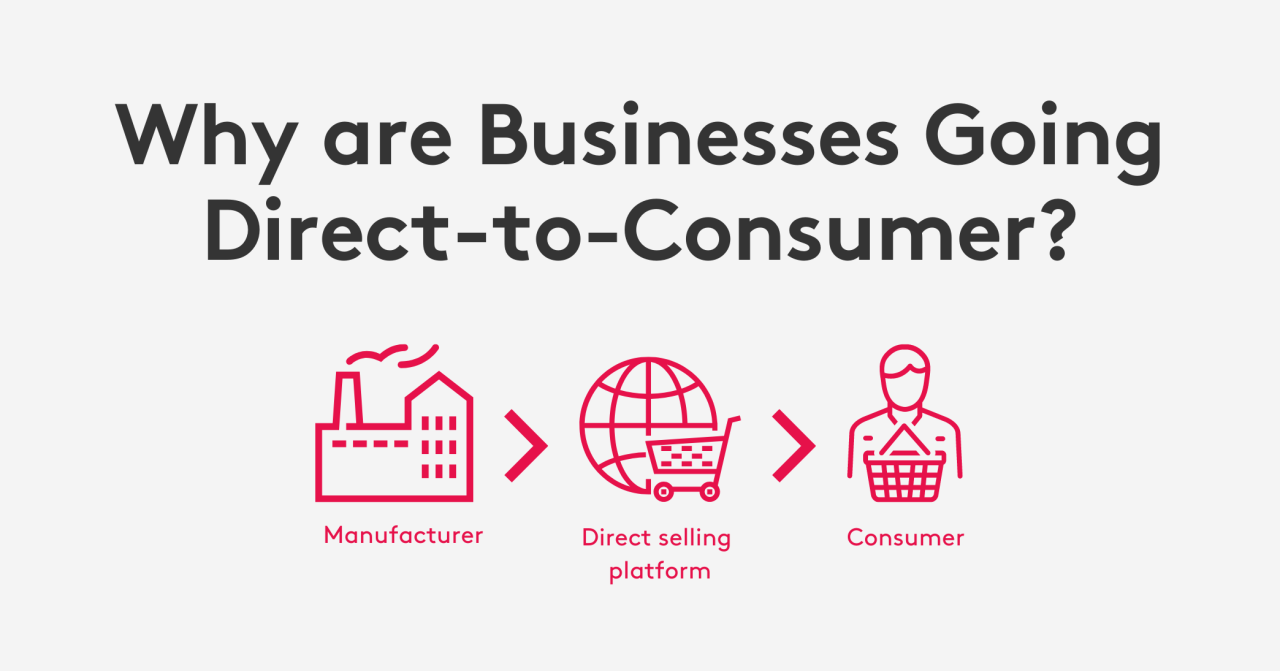
In recent years, the landscape of retail has undergone a seismic shift, with traditional models being challenged by the increasing dominance of direct-to-consumer (DTC) brands. What are these DTC brands, and why are they capturing the consumer’s attention? In this article, we’ll explore the rise of DTC brands, their impact on the travel industry, and strategies for success that can help these brands thrive in an ever-competitive market.
Understanding Direct-to-Consumer Brands
At its core, a direct-to-consumer brand sells products directly to customers, bypassing intermediaries such as traditional retail stores. This model has been made possible by advancements in technology, particularly e-commerce platforms, social media, and data analytics. These tools enable brands to build a relationship with consumers, allowing them to showcase their products, tell their stories, and create a personalized shopping experience.
The Growing Popularity of DTC Brands
DTC brands have seen significant growth over the past decade. Various factors contribute to this trend, including:
-
Consumer Preferences: Today’s consumers are savvy. They value authenticity, sustainability, and transparency, often favoring brands that align with their personal values.
-
E-commerce Advancements: With easy access to online shopping and advancements in payment methods, consumers are more inclined to buy directly from the brand’s website.
-
Social Media Influence: Platforms like Instagram and Facebook allow brands to connect directly with consumers, presenting their products through visually appealing images and engaging content.
-
Personalization: DTC brands are increasingly leveraging data analytics to provide personalized experiences, recommendations, and marketing, thereby enhancing customer satisfaction.
The Impact on the Travel Industry
While the DTC model is prevalent in various sectors, its impact on the travel industry is particularly noteworthy. Travel-focused DTC brands have started to emerge, changing how consumers book vacations and experiences.
Travel DTC Brands in Action
Several travel-related DTC brands have gained traction in recent years, including:
-
Airbnb: Originally starting as a space-sharing platform, Airbnb has evolved into a comprehensive travel brand offering various experiences, accommodations, and travel-related services.
-
Away: This luggage company has harnessed the power of social media and influencer marketing to promote its high-quality, stylish suitcases.
-
Nomadic Matt: A travel blogger who transitioned into a DTC brand by offering travel guides, courses, and other services directly to consumers.
These brands leverage strong storytelling, engaging visuals, and customer feedback to create a community around their offerings, ultimately enhancing customer loyalty and engagement.
Strategies for Success in the DTC Space
For new or established DTC brands looking to succeed, certain strategies can prove beneficial. Here are some tactics that can empower DTC brands in the travel industry and beyond:
1. Build a Strong Brand Identity
Creating a compelling brand identity is crucial for differentiating yourself in a crowded market. This identity should reflect your brand’s ethos and resonate with your target audience. Consider the following when building your brand:
-
Storytelling: Share the origin story of your brand and the passion behind your products or services. This helps consumers feel a connection with the brand and fosters loyalty.
-
Visual Branding: Develop a consistent visual identity, including logo, color palette, and typography. Visual consistency enhances brand recognition.
2. Leverage Social Media
Social media is an indispensable tool for DTC brands. It is a platform for sharing content, engaging with consumers, and driving traffic to your e-commerce site. Here’s how to utilize social media effectively:
-
Engaging Content: Share visually stunning images, engaging videos, and authentic stories. Use formats like stories and reels to create a dynamic presence.
-
Influencer Partnerships: Collaborate with influencers who align with your brand values. Their endorsement can build credibility and expand your reach.
-
Community Building: Create a sense of community by interacting with followers, responding to their comments, and encouraging user-generated content.

- Overcome negative thought patterns, reduce stress, and live a worry-free life
- Overthinking is the biggest cause of unhappiness
- Don't get stuck in a never-ending thought loop
- Stay present and keep your mind off things that don't matter, and never will
- Break free of your self-imposed mental prison
3. Optimize Your Website for Conversions
Your website serves as your virtual storefront, and optimizing it for conversions is essential. Consider the following aspects:
-
User Experience: Ensure your website is intuitive, fast, and mobile-friendly. A heavy emphasis on user experience can significantly impact conversion rates.
-
High-Quality Product Imagery: Use professional, high-resolution images that showcase your products in various settings. Good imagery can significantly enhance desirability.
-
Clear CTAs: Utilize clear calls-to-action (CTAs) that guide visitors toward making a purchase. Whether it’s “Shop Now” or “Learn More,” effective CTAs can influence user behavior.
4. Personalization is Key
One size does not fit all in marketing. Utilize data analytics to create personalized experiences for your consumers:
-
Email Marketing: Segment your email lists based on consumer behavior and preferences. Send out personalized recommendations or special offers tailored to individual consumers.
-
Product Recommendations: Use algorithms to suggest products based on previous purchases or browsing behavior, enhancing the user experience.
5. Focus on Customer Service
Exceptional customer service can set your DTC brand apart from competitors. Consider these strategies:
-
Multi-Channel Support: Provide customer support across various channels—social media, email, chat, and phone. Ensure responses are prompt and helpful.
-
Transparent Policies: Be upfront about your shipping and return policies. Transparency helps build trust, thereby encouraging purchases.
6. Foster Brand Loyalty
Once you’ve acquired a customer, it’s crucial to keep them coming back. Here’s how to build brand loyalty:
-
Loyalty Programs: Implement loyalty or rewards programs to incentivize repeat purchases.
-
Engagement: Continue to engage with your customers through newsletters, updates, and social media. Keep them informed about new products, sales, and exclusive content.
7. Utilize Data Analytics
Data is your friend when it comes to understanding consumer behavior. Use analytics tools to track and gain insights into your marketing efforts:
-
A/B Testing: Experiment with different marketing messages, website layouts, and product offerings to see what resonates most with your audience.
-
Customer Feedback: Regularly solicit customer feedback through surveys or reviews to continually refine your offerings and approach.
8. Embrace Sustainability
The modern consumer is increasingly concerned about sustainability. Integrating eco-friendly practices can be a selling point for DTC brands:
-
Sustainable Materials: Consider using environmentally friendly materials in your products and packaging.
-
Transparency: Be honest about your sourcing and manufacturing processes. Consumers appreciate brands that commit to sustainable practices.
9. Adapt to Trends
The retail landscape is ever-evolving, and successful DTC brands are those that remain agile and responsive to changing market trends. Keep an eye on shifts in consumer preferences and technology, adapting your strategies as necessary.
-
Stay Current: Follow industry news and emerging trends that may impact your business model or audience.
-
Innovation: Regularly introduce new products or services that respond to consumer needs, ensuring your brand stays relevant.
Conclusion: The Future of DTC Brands in Travel and Beyond
The rise of direct-to-consumer brands signals a fundamental shift in how consumers shop and connect with brands. With a focus on personalization, transparency, and a strong online presence, DTC brands are poised to thrive. The travel industry, in particular, stands to benefit as consumers seek authenticity and tailored experiences in their travel journeys.
By implementing these strategies, emerging DTC brands can navigate the complexities of today’s market and establish a lasting connection with consumers. As more brands recognize the importance of the DTC model, the competition will increase—only those willing to innovate and adapt will rise to the top. So, if you’re considering starting a DTC brand in the travel industry or elsewhere, remember the importance of authenticity, community, and customer engagement. Your success awaits!


