
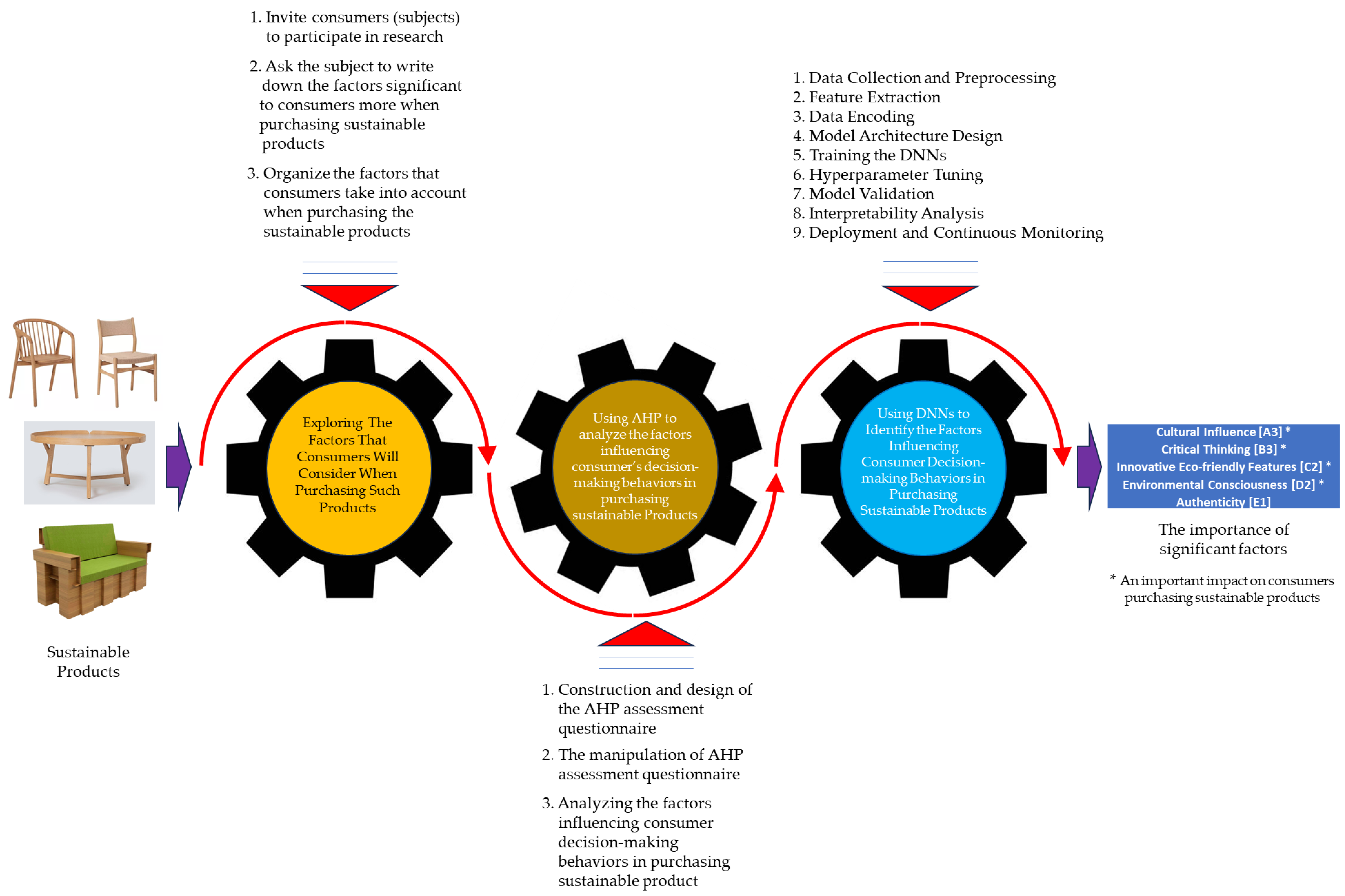
In today’s world, sustainability has transcended from being a mere buzzword to a powerful driving force that shapes consumer behaviors and preferences in retail. As more individuals become aware of the impact their purchasing decisions have on the environment, businesses are feeling the pressure to adapt to this shift. This article explores how sustainability is influencing consumer choices in retail, examining key trends, consumer motivations, and the role of brands in fostering a more sustainable future.
A Shift in Consumer Mindset
The modern consumer is increasingly searching for products that align with their values, particularly regarding environmental responsibility and social equity. According to a 2021 survey by IBM, nearly 80% of consumers in the United States indicated that sustainability is important to them, with a significant percentage willing to pay more for sustainable products. This shift has profound implications for retailers, forcing them to rethink their strategies and offerings.
The Rise of Eco-Conscious Shopping
Eco-conscious shopping refers to a consumer’s choice to purchase products that are environmentally friendly, ethically produced, and socially responsible. This trend has led to the emergence of several categories of eco-friendly products, including:
-
Sustainable Clothing: Fast fashion brands are under scrutiny as consumers increasingly gravitate toward sustainable clothing options. These brands often use organic materials, ethical manufacturing processes, and eco-friendly packaging.
-
Zero-Waste Products: The zero-waste movement has gained significant traction, prompting consumers to seek out products with minimal packaging or those that can be reused. Items such as reusable bags, bamboo toothbrushes, and refillable containers are just the tip of the iceberg.
-
Natural Cleaning Supplies: With increased awareness of the harmful chemicals present in traditional cleaning products, many consumers are opting for natural cleaning supplies that promise effective cleaning without compromising their health or the environment.
This rise in eco-conscious shopping habits illustrates a significant shift in consumer preferences, reflecting a broader trend toward sustainability in the retail sector.
Consumer Motivations Behind Sustainable Choices
Understanding what motivates consumers to choose sustainable products is critical for retailers aiming to capitalize on this shift. Several factors come into play:
-
Environmental Awareness: Many consumers are now more educated about environmental issues like climate change, plastic pollution, and resource depletion. This awareness drives them to make more responsible shopping decisions.
-
Health Considerations: There’s a growing recognition that the products we use in our homes can significantly impact our health. Consumers are increasingly choosing natural and organic products to reduce their exposure to harmful chemicals.
-
Social Responsibility: Beyond personal health, many consumers are concerned about the social implications of their purchases. They favor brands that support fair labor practices, community development, and charitable causes.
-
Desire for Authenticity: There is an increasing demand for transparency and authenticity in business practices. Consumers want to know where their products come from, how they were made, and what impact they have on the planet.
The Importance of Brand Transparency
With the growing demand for sustainable products, brand transparency has become more critical than ever. Retailers are now challenged to provide clear, concise information about their operations, sourcing practices, and commitment to sustainability. Brands that successfully convey their sustainability initiatives can establish trust with consumers, which is vital for fostering brand loyalty.
One way to ensure transparency is through certifications. Labels such as Fair Trade, Organic, and B Corporation can signal to consumers that a brand has met defined sustainability standards. Additionally, many brands are adopting storytelling as a tool to illustrate their sustainable practices, sharing their journeys and the impact of their efforts.
The Role of Social Media in Promoting Sustainable Choices
Social media platforms like Instagram, Facebook, and TikTok have amplified the conversation around sustainability in retail. Influencers and brands alike are using these platforms to promote eco-friendly products and share valuable information on sustainable living. Here’s how social media is shaping consumer choices:
-
Community Engagement: Social media creates a sense of community around sustainability. Consumers can share tips, experiences, and product recommendations, fostering a culture of eco-consciousness.
-
Influencer Partnerships: Collaborations with influencers who emphasize sustainable living can greatly influence consumer choices. These influencers often showcase products in actionable ways, making sustainability relatable and aspirational.
-
Brand Advocacy: Consumers are more likely to trust peer recommendations over traditional advertising. Positive reviews and testimonials on social media can significantly sway potential buyers toward sustainable products.
As retailers navigate the evolving landscape, harnessing the power of social media to promote their sustainability efforts can be a game-changer.

- Overcome negative thought patterns, reduce stress, and live a worry-free life
- Overthinking is the biggest cause of unhappiness
- Don't get stuck in a never-ending thought loop
- Stay present and keep your mind off things that don't matter, and never will
- Break free of your self-imposed mental prison
The Impact of Younger Generations
Younger generations, particularly millennials and Gen Z, are becoming prominent consumers in the retail market. This demographic prioritizes sustainability more than any previous generation, driving retailers to take notice. Here are some ways these young consumers affect market trends:
-
Demand for Innovation: Younger consumers are more inclined to support brands that prioritize innovation in sustainability. They often look for new products that push the boundaries of eco-friendliness, such as biodegradable materials or upcycled goods.
-
Values-Based Purchasing: For younger generations, purchasing decisions are often guided by values rather than price alone. Retailers that can effectively communicate their commitment to sustainability are more likely to win their loyalty.
-
Feedback Loop: Younger consumers are not shy about sharing their opinions. They voice their expectations, experiences, and dissatisfaction publicly, making it crucial for brands to pay attention to their feedback and continually adapt.
Retail Strategies for Sustainability
As the demand for sustainable products grows, retailers are implementing strategies to attract eco-conscious consumers. Here are a few key approaches:
-
Sustainable Sourcing: Retailers are increasingly sourcing materials responsibly. This can involve choosing suppliers that use sustainable farming practices or opting for recycled materials in their products.
-
Eco-Friendly Packaging: Brands are rethinking their packaging strategies by using biodegradable, compostable, or reusable materials. Eco-friendly packaging not only reduces waste but also appeals to eco-conscious consumers.
-
Transparency Commitments: Many retailers are committing to transparency goals, such as disclosing their sourcing methods or environmental impact. This can involve publishing sustainability reports that detail progress and future commitments.
-
Circular Economy Initiatives: Some retailers are developing programs to facilitate a circular economy, where products can be reused, refurbished, or recycled. Initiatives may include take-back programs or partnerships with recycling companies.
By implementing these strategies, retailers can align their operations with consumer values, making sustainability a core component of their business model.
Challenges in Adopting Sustainable Practices
Despite the positive shift towards sustainable practices, retailers face challenges that can hamper their efforts. Some of these challenges include:
-
Cost Implications: Transitioning to sustainable sourcing or packaging can involve costly investments. Retailers may be hesitant to increase prices, fearing they will lose competitive advantage.
-
Consumer Education: Not all shoppers are aware of the benefits of sustainable products. Retailers must invest in educating consumers to help them understand the value of choosing eco-friendly options.
-
Supply Chain Limitations: Sourcing sustainable materials can be challenging due to availability or access. Retailers may also face difficulties in ensuring that their entire supply chain adheres to sustainable practices.
The Future of Retail Sustainability
As consumer demand for sustainability continues to grow, retailers must embrace this evolution and integrate eco-friendly values into their core operations. Several trends are likely to shape the future of retail sustainability:
-
Increased Regulation: Governments globally are beginning to implement stricter regulations around sustainability, compelling retailers to comply and evolve.
-
Technology Advancements: Innovations in technology will enable retailers to enhance their sustainability efforts. Solutions such as blockchain can improve supply chain transparency, while AI can optimize resource usage.
-
Collaboration Across Industries: Collaboration among businesses, non-profits, and local communities is expected to expand, fostering joint initiatives that propel sustainable practices forward.
Conclusion
In an era where consumer choices are heavily influenced by sustainability, retailers must adapt to stay relevant. By embracing eco-conscious practices, prioritizing transparency, and understanding the motivations of their consumers, retailers can create a positive impact on both the environment and their bottom line. As sustainability continues to shape the retail landscape, it is essential for businesses to recognize the shift and take meaningful action. Embracing sustainability will not only attract loyal customers but also contribute to a healthier planet for future generations.


