
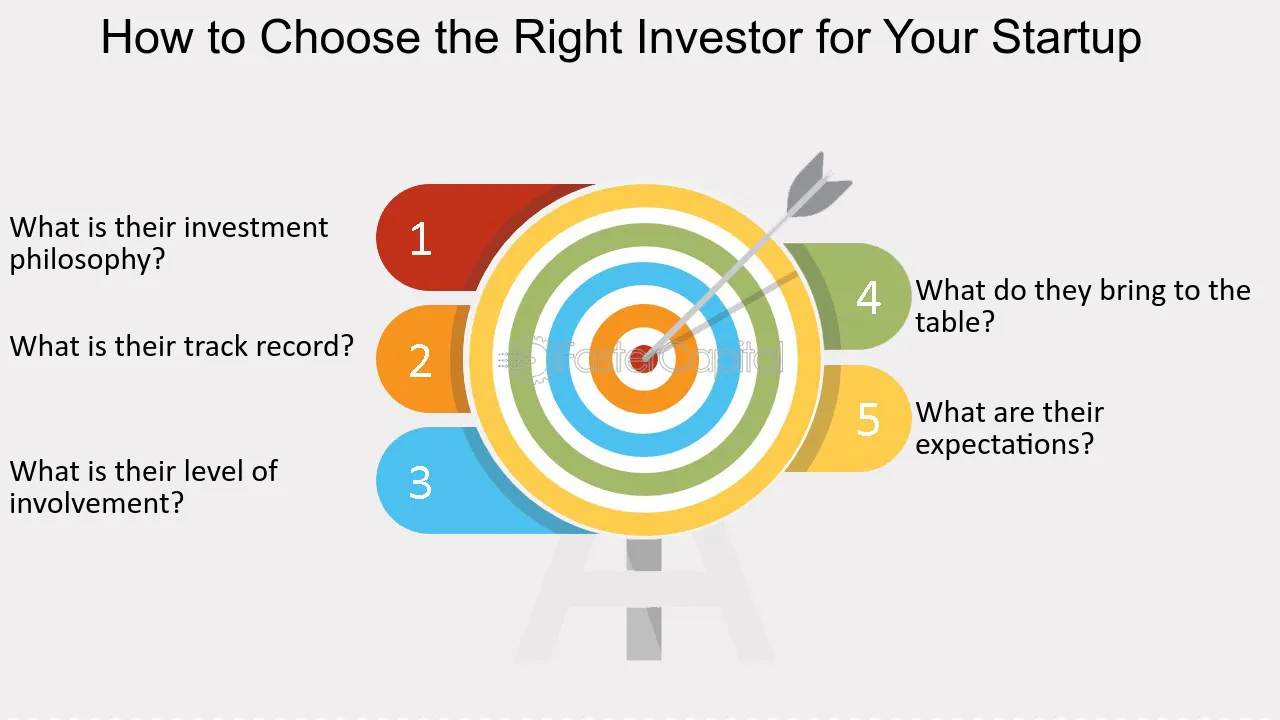
Navigating the startup landscape can be both thrilling and daunting, especially when it comes to securing funding. For many entrepreneurs, the right investor can not only provide the necessary capital but can also offer invaluable guidance, industry connections, and strategic insights. But how do you choose the right investor for your startup? This article will guide you through the key considerations and steps you should take to find an investor that aligns with your goals and vision.
Understanding the Different Types of Investors
Before delving into the specifics of what to look for in an investor, it’s essential to understand the different types of investors available:
-
Angel Investors: These are typically wealthy individuals who invest their personal funds in startups in exchange for equity. They often bring industry experience and mentorship to the table.
-
Venture Capitalists (VCs): VCs are professional groups that manage pooled funds from various investors. They usually invest larger sums than angel investors and focus on startups with high growth potential.
-
Corporate Investors: Large corporations often invest in startups to gain insight into innovative products or services that align with their business model. This type of investment can also lead to strategic partnerships.
-
Crowdfunding: Online platforms allow you to raise small amounts of money from a large number of people. This option often requires a compelling pitch and a strong marketing strategy to attract backers.
-
Accelerators and Incubators: These programs provide funding, mentorship, and resources in exchange for equity. They can also help refine your business model and connect you with potential investors.
Define Your Goals and Needs
Before you start looking for investors, you need to have a clear understanding of your business goals. Questions to consider include:
-
How much capital do you need? Determine the amount of funding required to meet your milestones, and be prepared to justify this need to potential investors.
-
What is the ideal stage of investment? Are you looking for seed funding, Series A, or later stages? Each type of funding has different implications for growth and equity.
-
Do you need mentorship? If you’re a first-time entrepreneur, you may benefit from an investor who can offer guidance and advice based on their experience.
-
What is your long-term vision? Consider how your investor fits into your overall business strategy. Are you looking to build a global brand, or are you focused on a niche market?
Research Your Prospective Investors
Once you have a well-defined understanding of your needs and goals, it’s time to start researching potential investors. This is a crucial step in ensuring that the investor you choose aligns with your vision. Here are some steps to take:
-
Identify Potential Investors: Look for investors who specialize in your industry or market. Use resources like Crunchbase, AngelList, or LinkedIn to find prominent figures and firms in your niche.
-
Study Their Portfolio: Analyze the startups that have previously received funding from the investor. This will give you a sense of their investment style, stage focus, and areas of expertise.
-
Read Reviews and Testimonials: Look for feedback from other entrepreneurs who have worked with the investor. This can help you gauge their reputation and the kind of support they offer.
-
Assess Compatibility: Verify that the investor’s values and mission align with your startup. Look for investors who have a genuine interest in your industry or product and share similar long-term visions.
-
Network and Engage: Attend networking events, pitch competitions, and industry conferences where you can meet potential investors. Building a relationship before pitching can significantly improve your chances of securing funding.
Evaluate Investor’s Experience and Expertise
An investor’s experience can be one of the most important factors in deciding if they are the right fit for your startup. Here are some things to consider:
-
Track Record: Look for investors with a history of successful investments. Review any startups they have helped grow and exit, as success can often translate into valuable insights for your own venture.
-
Industry Knowledge: Investors with experience in your industry are often better equipped to offer meaningful advice and connections. They understand the challenges you might face and can provide guidance based on their own experiences.
-
Reputation: An investor’s reputation can impact your business in various ways. A respected investor can add credibility and attract further investment, while a poor reputation can be detrimental.

- Overcome negative thought patterns, reduce stress, and live a worry-free life
- Overthinking is the biggest cause of unhappiness
- Don't get stuck in a never-ending thought loop
- Stay present and keep your mind off things that don't matter, and never will
- Break free of your self-imposed mental prison
Assess the Investor’s Value Beyond Money
While securing funding is essential, it’s equally important to evaluate what an investor brings to the table beyond capital. Here are some added values to consider:
-
Mentorship: Seek investors who can provide strategic guidance. Their experience could help you avoid common pitfalls and achieve your goals more efficiently.
-
Network: Investors come with a network of contacts. They can introduce you to potential customers, business partners, and future funding sources.
-
Industry Insight: Investors who are active in your sector can provide you with a deeper understanding of market trends and competitive dynamics.
-
Long-term Commitment: Consider whether the investor is interested in a long-term relationship. Investors who plan to stay involved as your business grows can be incredibly valuable.
Trust Your Instincts
Aside from all the hard data and research, trusting your instincts is vital when choosing an investor. It’s important to feel comfortable with the investor and their communication style. If an investor behaves unprofessionally, is dismissive, or fails to engage, it may be a red flag.
Prepare for Due Diligence
Investors will conduct their own due diligence before committing to your startup. Make sure you are prepared for this process:
-
Organize Financials: Prepare a detailed financial plan, including projections and a burn rate analysis.
-
Legal Documents: Have all necessary legal documents in order, including your business registration, IP rights, and contracts.
-
Business Plan: A well-prepared business plan will help investors understand your vision, strategy, and market positioning.
The Importance of a Good Fit: Culture Matters
The chemistry between you and your investor can significantly impact your startup’s success. A good cultural fit is essential—the investor should resonate with your business philosophy and team dynamics. This harmony can lead to a more productive working relationship.
Review Terms Carefully
Before finalizing any investment deal, it is critical to carefully review the terms:
-
Equity: Understand how much equity you will be giving away and what it means for your business in the long run.
-
Control: Be aware of the level of control the investor expects. Some investors may want to have a say in certain business decisions, which can affect your autonomy as a founder.
-
Exit Strategy: Discuss how and when the investor might expect to exit the investment. This will help you align your short-term and long-term goals.
-
Follow-up Funding: Consider whether the investor is likely to provide future funding if your startup requires it.
Conclusion
Choosing the right investor for your startup is a critical decision that can significantly affect your journey as an entrepreneur. By understanding the various types of investors, your own goals, and the importance of a proper fit, you can navigate the investment landscape more effectively. Remember, securing funding is not just about the money—it’s about finding a partner who aligns with your vision and can support your growth. Take the time to conduct thorough research, connect with potential investors, and assess their value beyond capital. Trust your instincts and seek an investor relationship that will help propel your startup to new heights. Happy fundraising!


