
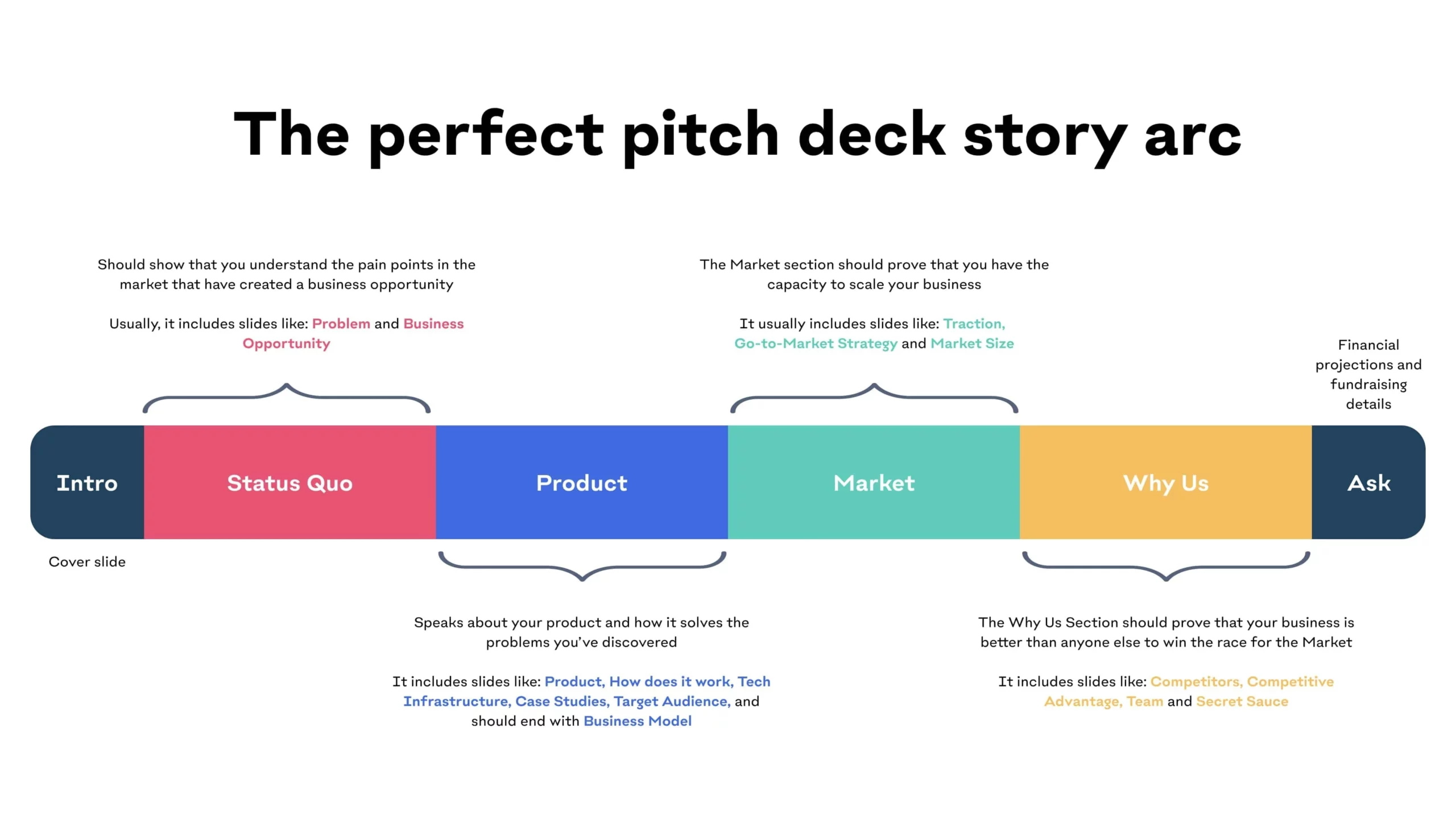
In today’s fast-paced business landscape, pitching to investors is no longer confined to boardrooms. Just as travelers meticulously plan their journeys, entrepreneurs must craft their pitch decks with care and precision to capture the interest of potential investors. A compelling pitch deck can mean the difference between securing funding and watching your dreams fade away. So, how do you prepare a winning pitch deck for investors? Let’s embark on this journey together!
Understanding the Basics
Before diving into the nitty-gritty of designing your pitch deck, it’s essential to understand what it is. A pitch deck is a brief presentation that provides your audience with an overview of your business plan, the problem you are solving, your solutions, and the potential for return on investment (ROI).
Just like planning a successful vacation, you need to have a clear objective and know your audience. Ask yourself: What are the investors looking for? What key points do I want to convey? The answers to these questions set the foundation for a winning pitch deck.
Research Your Audience
Every great traveler knows the importance of understanding their destination. Similarly, research your potential investors. Are they venture capitalists interested in tech startups or angel investors who focus on consumer goods? Tailor your pitch deck to meet their preferences, showcasing aspects of your business that resonate most with their investment strategies.
Crafting Your Winning Deck
1. Start with a Captivating Introduction
First impressions count. Begin your pitch deck with an engaging introduction that summarizes your business in a sentence or two. This section should highlight the unique selling proposition (USP) of your venture—what makes it stand out from the rest. Just as travelers often have a captivating story about how they found their favorite destination, your story should intrigue your investors from the get-go.
2. Define the Problem
Think of this section as the travel warning you’d give to your fellow explorers. Clearly articulate the problem that your business is solving. Use real-life examples and data to support your claims. The goal is to make your audience understand the urgency of the issue and why it needs addressing. Investors need to see the pain point and recognize the potential market for a solution.
3. Present Your Solution
Once you’ve defined the problem, it’s time to unveil your solution—it’s like revealing a hidden gem on your travel itinerary. Explain how your product or service addresses the issue at hand. Make sure to include visuals, such as images or infographics, to illustrate your points. A picture is worth a thousand words, and in this case, it can help solidify your concept in the minds of potential investors.
4. Showcase Your Market Opportunity
In the world of travel, it’s crucial to know your destination—you’ll need to understand the size of your market and the potential return on investment. In this section, provide data on your target market. Who are your customers? How large is the market? What trends support your business concept? Use credible sources to back up your claims, and don’t forget to highlight any competitive advantages you possess.
5. Introduce Your Business Model
How will your business make money? This is where you need to present your business model. Investors will want to see details on your pricing strategy, sales channels, and customer acquisition plans. Just as travelers often budget their trips, outline your financial projections and break-even analysis. Your business model should portray sustainability and growth potential.
6. Detail Your Go-to-Market Strategy
Your go-to-market strategy is akin to your travel itinerary: a well-organized plan that gets you from point A to point B. Outline how you plan to launch your product or service into the market. Discuss marketing tactics, partnerships, and sales strategies. Provide timelines for each phase and detail how you will evaluate success.

- Overcome negative thought patterns, reduce stress, and live a worry-free life
- Overthinking is the biggest cause of unhappiness
- Don't get stuck in a never-ending thought loop
- Stay present and keep your mind off things that don't matter, and never will
- Break free of your self-imposed mental prison
7. Highlight Team Expertise
Investors invest in people, not just ideas. Introduce your team, emphasizing their backgrounds and qualifications. Share your travel-themed anecdotes that illustrate teamwork and collaboration—just like a group of travelers working together to navigate a new city. Showcase any relevant industry experience, skills, and accomplishments that lend credibility to your venture.
8. Present Financial Projections
Financial projections are vital for establishing the potential return on investment. Present your revenue forecasts, expenses, and break-even analysis. Use clear charts and tables to communicate this information effectively. Like a travel budget, your financial projections should emphasize responsible spending and realistic expectations.
9. Address Risks and Challenges
Every traveler faces challenges along the way, and acknowledging potential risks demonstrates preparedness. Discuss possible obstacles your business may encounter and how you plan to address them. This could include market competition, regulatory changes, or economic downturns. Investors appreciate entrepreneurs who are aware of risks and have strategies in place to mitigate them.
10. Propose Funding Requirements
Incorporate a section that outlines how much funding you are seeking and how you will utilize the investment. Be transparent about your intended use of funds—whether for product development, marketing, or operational costs. Providing a clear and detailed budget shows that you have thoroughly considered how to deploy the investment wisely.
11. Conclude with a Strong Call to Action
End your pitch deck with a strong call to action. Invite potential investors to engage further, encouraging them to ask questions and schedule follow-up meetings. Like an enticing travel itinerary, your final slide should leave them excited and ready to explore your business opportunity further.
Design Matters
Just as destinations are often judged by their visual appeal, your pitch deck must be visually engaging. Use high-quality images, consistent fonts, and a cohesive color palette that fits your brand. Keep text minimal—opt for bullet points and concise information. Aim for a clean design that guides your audience’s focus while making the presentation easy to follow.
Practice, Practice, Practice
Once your pitch deck is complete, practice your delivery. Rehearse your presentation multiple times, refining your speech and ensuring you’re comfortable with the material. Consider presenting to friends or mentors who can provide constructive feedback. Just as travelers hone their itineraries, practicing your delivery will help you understand the rhythm and flow of your pitch.
Conclusion: The Final Destination
Preparing a winning pitch deck for investors is like embarking on a grand adventure. By understanding your audience, crafting a compelling narrative, and presenting your business effectively, you increase your chances of receiving the funding needed to bring your vision to life. As you navigate this journey, remember that each investor is a unique destination—adapt and customize your pitch accordingly.
So, pack your bags, prepare your deck, and get ready to take the entrepreneurial world by storm. With careful planning and a great story to tell, you’re one step closer to turning your dreams into reality. Adventure awaits, and your business could be the next exciting venture on the horizon!


