
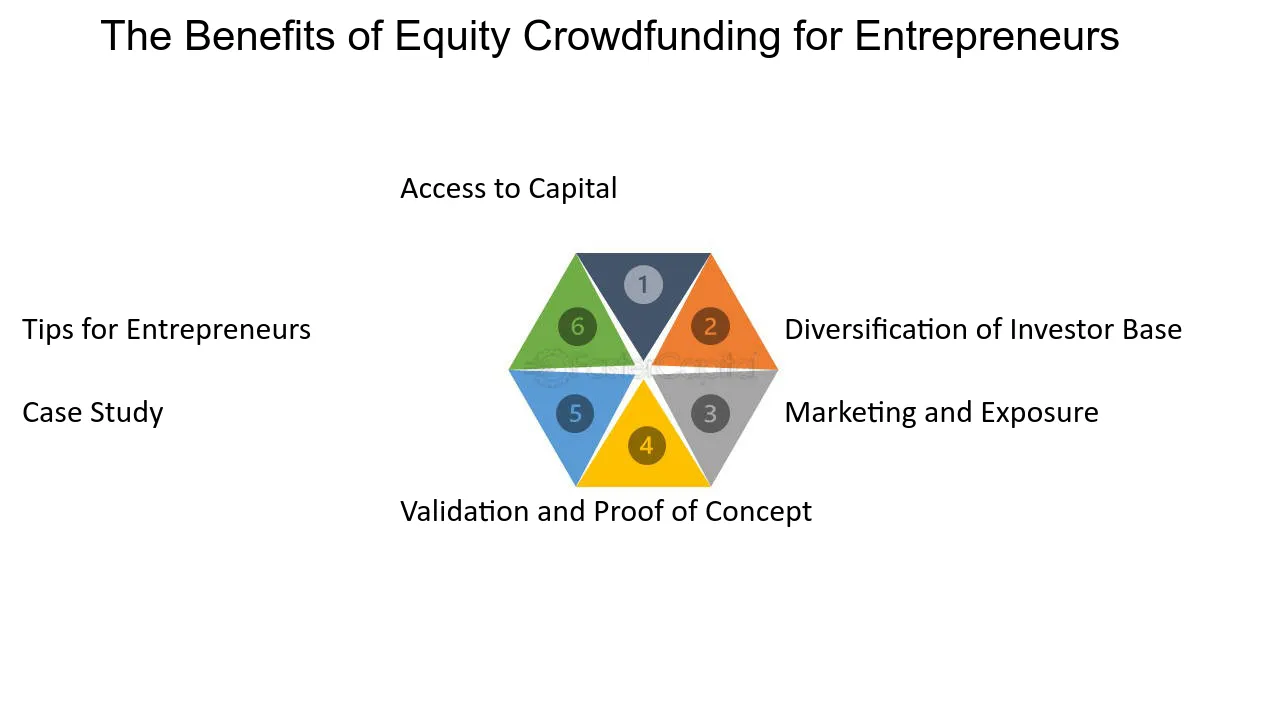
In recent years, the landscape of startup funding has dramatically transformed, providing innovative ways for entrepreneurs to secure the capital they need to launch their businesses. One such method that has risen to prominence is equity crowdfunding. So, how is equity crowdfunding empowering entrepreneurs today? This article delves deep into the mechanics of equity crowdfunding, its benefits, and why it is becoming a game-changing option for startup owners across the United States.
Understanding Equity Crowdfunding
Equity crowdfunding allows everyday people—friends, family, and interested investors—to buy shares in a startup or small business, providing essential funding for its growth. Unlike traditional crowdfunding methods like Kickstarter or GoFundMe, where funders receive rewards or products in return, equity crowdfunding investors receive equity or shares in the company.
This innovative funding model gained traction following the passage of the JOBS Act (Jumpstart Our Business Startups Act) in 2012. This legislation made it easier for startups and small businesses to access capital by allowing them to raise up to $1 million in a 12-month period from non-accredited investors, thus opening the doors to a larger pool of potential investors.
The Rise of Equity Crowdfunding Platforms
With the rise of equity crowdfunding, numerous platforms have emerged to facilitate these transactions. Some of the most popular platforms include:
- Kickstarter
- Indiegogo
- SeedInvest
- Wefunder
- StartEngine
These platforms not only streamline the investment process but also provide resources for entrepreneurs to effectively pitch their business ideas. Entrepreneurs can create a profile, present their business plan, and share their vision, which potential investors can evaluate.
Why Equity Crowdfunding Works for Entrepreneurs
1. Access to Capital
The most obvious benefit of equity crowdfunding is access to capital. Historically, entrepreneurs seeking funds were limited to venture capitalists, angel investors, and banks. This often required significant networking and some investors might demand an unrealistic share of the company. Equity crowdfunding opens the door to thousands of small investors, allowing entrepreneurs to secure the necessary funds without relinquishing too much control over their business.
2. Market Validation
Equity crowdfunding doubles as a marketing strategy. When entrepreneurs pitch their business to potential investors, they are not only soliciting funds but also gauging market interest. A successful campaign indicates that there is demand for the product or service, providing valuable market validation before rolling out the offering to a wider audience.
3. Building a Community of Supporters
Equity crowdfunding allows entrepreneurs to cultivate a community of supporters right from the beginning. Investors often become enthusiastic advocates for the business, promoting it within their networks and providing early customer feedback. This support network can prove invaluable as the business scales and faces challenges.
4. Enhanced Visibility
Many equity crowdfunding platforms have large, established user bases which can dramatically increase a startup’s visibility. Getting featured on a popular platform can drive traffic, raise awareness, and generate additional interest that might not have been possible through traditional funding routes.
5. Flexibility in Terms and Conditions
Equity crowdfunding can be more flexible than traditional financing. Entrepreneurs can customize their funding needs and are often able to negotiate better terms with investors. Unlike banks or venture capitalists that may impose strict repayment schedules, equity stakeholders are invested in the long-term growth of the company, allowing entrepreneurs to focus on scaling without the burden of immediate debt repayment.
6. Increased Accountability
When entrepreneurs raise capital through equity crowdfunding, they are accountable to a larger group of investors. This can foster a sense of responsibility and motivate founders to maintain transparency with their financial practices. On the flip side, investors often appreciate this accountability as it fosters trust in their investment decisions.
Real-Life Success Stories
Equity crowdfunding has proven to be a powerful tool over the past few years, leading to numerous success stories that highlight its potential.

- Overcome negative thought patterns, reduce stress, and live a worry-free life
- Overthinking is the biggest cause of unhappiness
- Don't get stuck in a never-ending thought loop
- Stay present and keep your mind off things that don't matter, and never will
- Break free of your self-imposed mental prison
1. BrewDog
Founded in Scotland, BrewDog turned to equity crowdfunding for its U.S. expansion using platforms like EquityForPunks. They were able to raise millions of dollars from thousands of equity investors, while simultaneously building a loyal community of craft beer enthusiasts.
2. Oculus VR
Before Oculus VR was acquired by Facebook for $2 billion, the company utilized Kickstarter to fund its initial development. It raised nearly $2.5 million through equity crowdfunding, turning a small startup into a powerful tech company that revolutionized the virtual reality industry.
3. Elio Motors
Elio Motors is another example of a company that gained traction through equity crowdfunding. The startup, which focuses on affordable, gas-efficient vehicles, raised over $17 million through crowdfunding, indicating a strong market interest in their innovative product.
Challenges and Considerations
While equity crowdfunding offers numerous advantages, it is not without its challenges. Entrepreneurs should be cautious and aware of the following considerations:
1. Regulatory Compliance
Starting an equity crowdfunding campaign requires navigating complex regulations. Entrepreneurs must ensure compliance with the SEC’s rules and guidelines, which can often necessitate the assistance of legal experts.
2. Fundraising Overhead
Launching an equity crowdfunding campaign is not just about creating a pitch. Founders often need to invest time, money, and energy into marketing the campaign, designing promotional material, and engaging with potential investors. That can detract from other critical business operations.
3. Lengthy Due Diligence
Prospective investors will conduct due diligence before committing their capital. This can extend the fundraising timeline, which may challenge a startup needing immediate infusion of cash.
4. Potential for Factional Ownership
By issuing equity, founders must share ownership with many investors. This can complicate decision-making processes and dilute control over the business direction.
Tips for a Successful Equity Crowdfunding Campaign
-
Craft a Compelling Story: An effective pitch should share the founding story, the problem being solved, and the vision behind the business. Authentic connections resonate more with investors.
-
Develop a Solid Marketing Strategy: Don’t wait until the campaign is live to promote it. Build interest beforehand through social media, email campaigns, and media coverage to drive potential investors to your campaign once live.
-
Set Realistic Goals: Understanding how much capital your business needs and how much you can realistically raise is crucial. Setting achievable funding targets helps maintain momentum.
-
Engage with Your Investor Base: Actively communicate with potential investors throughout the campaign. Providing updates and responding to questions demonstrates a proactive approach and increases trust.
-
Leverage Social Proof: Gathering testimonials or endorsements from respected figures in your industry can enhance credibility and attract more investors.
Conclusion
Equity crowdfunding is reshaping the entrepreneurial landscape by offering an accessible, flexible, and innovative funding avenue. It has empowered countless startup founders to obtain capital, market their products effectively, and cultivate communities of passionate supporters. While challenges exist, the benefits of equity crowdfunding often outweigh the risks, making it an appealing option for entrepreneurs looking to turn their visions into reality.
As the movement continues to grow, it is clear that equity crowdfunding is not just a passing trend but a powerful tool that is revolutionizing the way new businesses find their footing in the competitive marketplace. With the right approach and preparation, entrepreneurs can harness this funding model to fuel their startup journeys and build successful, community-driven enterprises.
So, if you’re an aspiring entrepreneur looking to launch a business, consider exploring the world of equity crowdfunding. Not only will it provide means for financial growth, but it can also inspire others to believe in your vision and support your journey to success. The future is bright, and with equity crowdfunding, the possibilities are limitless!


