
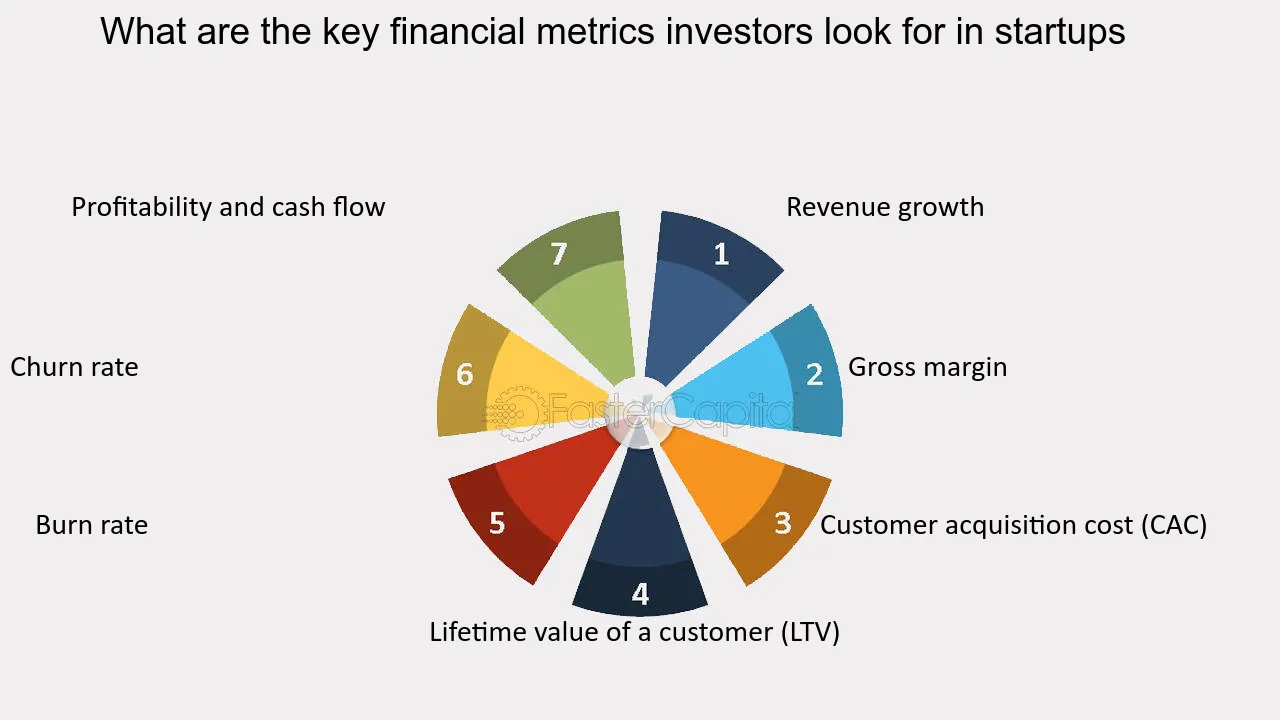
Investing in startups can be an exhilarating yet daunting journey, especially if you’re venturing into unfamiliar territory. Entrepreneurs often find themselves asking a crucial question: What do investors really want to see? Whether you’re a seasoned founder or a first-time entrepreneur, understanding the key metrics that investors prioritize can significantly enhance your chances of securing funding. Here’s a detailed look at the 10 vital metrics that can make or break your startup’s funding prospects.
1. Customer Acquisition Cost (CAC)
Customer Acquisition Cost (CAC) is one of the first metrics investors want to evaluate. It represents the total cost of acquiring a new customer, including marketing and sales expenses. Investors need to understand how much it costs your business to bring in customers and whether that cost is sustainable over time.
Why It Matters
A low or declining CAC suggests efficient marketing and sales strategies, indicating a scalable business model. Conversely, a high CAC can be a red flag, signaling that a startup might struggle to grow or maintain profitability.
How to Optimize CAC
To optimize your CAC, focus on refining your marketing tactics, leveraging social media, and exploring partnerships that can help lower your acquisition costs. Consistently analyze data and refine your approach to maintain a competitive edge.
2. Lifetime Value of a Customer (LTV)
While CAC focuses on the cost of acquiring customers, the Lifetime Value (LTV) metric evaluates the total revenue you can expect from a customer over the entire duration of their relationship with your business. This metric is crucial for understanding how much a customer is worth and is directly related to profit potential.
Why It Matters
A high LTV in relation to CAC means that your business is likely to be profitable in the long run. Investors look for companies with a strong LTV because it signifies loyalty and recurring revenue, which are essential for sustainable growth.
How to Maximize LTV
Enhance your customer experience, invest in customer relationships, and implement effective upselling strategies. Providing excellent service increases customer retention, thereby boosting their overall value.
3. Churn Rate
Churn Rate is the percentage of customers who stop doing business with your company during a given timeframe. This metric provides insight into your company’s customer retention and satisfaction levels.
Why It Matters
A high churn rate may indicate dissatisfaction with the product or service, which shareholders and investors will find concerning. For subscription-based businesses, for instance, understanding and minimizing churn is essential for maintaining profitability and sustaining growth.
Strategies to Reduce Churn Rate
To combat churn, focus on enhancing your customer service, offering onboarding support, and soliciting feedback regularly. Addressing customer pain points increases satisfaction and loyalty, ultimately reducing churn.
4. Monthly Recurring Revenue (MRR)
For SaaS companies or subscription-based startups, Monthly Recurring Revenue (MRR) is a critical metric. It represents the predictable revenue your business can expect to receive each month from subscriptions.
Why It Matters
Investors favor businesses with a steady, recurring income stream, as it can help forecast growth and financial stability. Consistent MRR signals a business model that can expand and thrive over time.
How to Increase MRR
To foster MRR growth, prioritize customer retention strategies, like offering enticing upgrade options or completing regular updates to your service. A well-designed referral program can also attract new customers while rewarding existing ones.
5. Gross Margin
Gross Margin is calculated as the difference between sales revenue and the cost of goods sold (COGS), expressed as a percentage of sales revenue. Essentially, it tells you how much money you retain after incurring the costs associated with producing your goods or services.
Why It Matters
A healthy gross margin indicates that your company can cover its operating expenses and is on a solid path to profitability. Investors are keen to see businesses that maintain a healthy gross margin to ensure they invest in a financially viable startup.
How to Improve Gross Margin
Review your pricing strategy, optimize production processes, and minimize waste. Streamlining operations and enhancing supplier relationships can also have a meaningful impact on your gross margins.

- Overcome negative thought patterns, reduce stress, and live a worry-free life
- Overthinking is the biggest cause of unhappiness
- Don't get stuck in a never-ending thought loop
- Stay present and keep your mind off things that don't matter, and never will
- Break free of your self-imposed mental prison
6. Runway and Burn Rate
Runway refers to the time remaining before a startup runs out of cash, calculated based on the current cash balance and burn rate. Burn Rate is the speed at which a company is spending its available cash reserves.
Why It Matters
Investors often analyze a startup’s cash runway and burn rate to gauge how quickly funds are being used and how sustainable the current operations are. Having a clear understanding of both can prevent premature funding needs, which can be detrimental to growth.
Best Practices
To manage your cash effectively, create comprehensive budgets that forecast expenses and revenues. Consider adopting a conservative approach to spending until more stable funding is secured.
7. Sales Growth Rate
Sales Growth Rate measures the percentage increase in sales over a specific period. This metric illustrates the company’s ability to scale and attract more customers.
Why It Matters
Investors look for startups with a strong sales growth rate because it reflects demand for your product or service and indicates market potential. A rapidly growing company is likely to attract more attention and funding opportunities.
Strategies to Enhance Sales Growth
Focus on innovative marketing and sales strategies, expand product offerings, and identify new markets. Regularly track growth trends and adjust strategies as necessary to maintain upward momentum.
8. Market Size and Potential
Understanding your target market’s size and potential growth is crucial for investors. This encompasses the total addressable market (TAM), the serviceable available market (SAM), and the serviceable obtainable market (SOM).
Why It Matters
A sizable and expanding market presents abundant opportunities for growth. Investors are more likely to fund startups with a clear and convincing plan to capture market share in a thriving sector.
Market Analysis Techniques
Conduct thorough market research to validate your assumptions about market size. Utilize surveys, industry reports, and expert opinions to support your business case when meeting with potential investors.
9. Team Composition and Experience
The strength of your founding team can be as critical as your business metrics. Investors are often just as interested in the background, experience, and abilities of your team as they are in the numbers.
Why It Matters
A well-rounded, experienced team boosts investor confidence in the startup’s potential for success. Investors want to see a diverse team capable of handling various aspects of the business, from operations to marketing and everything in between.
Building a Strong Team
Focus on hiring individuals with varied expertise and industry knowledge. Facilitate collaborative workspaces and encourage a culture of continuous learning to leverage each team member’s strengths effectively.
10. Product Market Fit
Product Market Fit (PMF) assesses the alignment between your product and market demand. It’s an indication of how well your product satisfies customers’ needs.
Why It Matters
Investors are interested in startups that demonstrate strong PMF, as it indicates a lower risk of failure. A product that resonates with the market is more likely to achieve sustainability and growth.
How to Establish PMF
Gather customer feedback and iterate on product development based on user input. Regularly conduct market testing and adjust your offerings to ensure they meet the evolving needs of your target customers.
In conclusion, knowing these ten key metrics will empower you as an entrepreneur to present your startup in the best light possible. They not only help you attract potential investors but also enable you to make informed decisions that promote long-term success. Prepare meticulously, focus on strengthening these areas, and align your goals with investors’ expectations. By doing so, you’ll be well-equipped to join the ranks of successful startups that continue to thrive in an ever-competitive landscape.
Good luck, and may your startup journey be as fruitful as it is exciting!


