
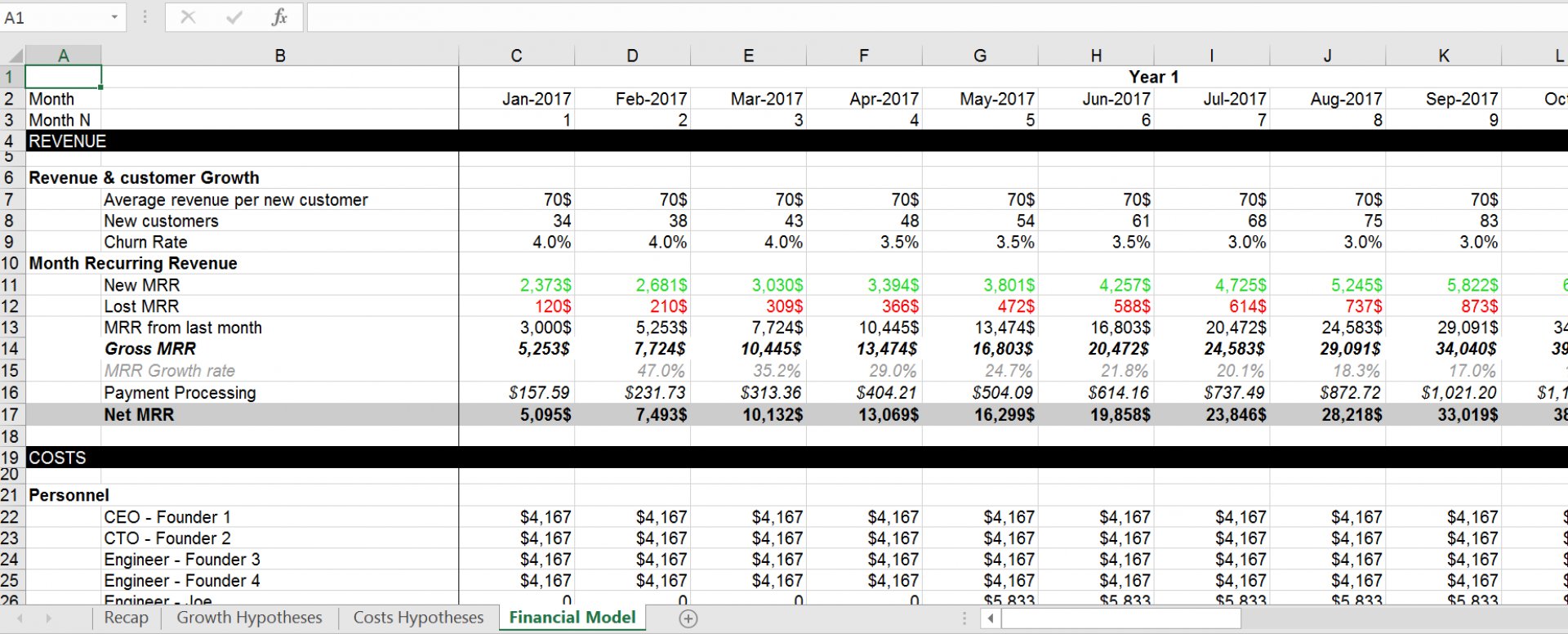
Creating a Software as a Service (SaaS) business plan template is an essential step for any entrepreneur looking to launch a successful SaaS startup. Whether you’re a first-time founder or a seasoned entrepreneur, having a structured plan can help streamline your operations, attract investors, and guide your team as you work through the various stages of your startup journey.
In this article, we will explore the key components of a SaaS business plan template and provide you with practical tips to create your own. By the end, you will not only understand why having a business plan is crucial but also how to craft one that meets the unique needs of your SaaS startup.
Why a SaaS Business Plan Matters
A SaaS business plan is not just a financial document; it serves multiple purposes:
- Clarifies Your Vision: It helps you articulate your idea, mission, and long-term objectives.
- Attracts Investors: Investors often look for well-structured plans to evaluate the viability of your business model.
- Guides Your Strategy: A business plan acts as a roadmap for your operations, marketing strategies, and financial forecasts.
- Sets Milestones: It helps you define short-term and long-term goals and the metrics for measuring success.
- Facilitates Team Alignment: A well-developed plan ensures everyone on your team is on the same page regarding expectations and objectives.
Understanding the SaaS Business Model
Before diving into the specifics of your business plan, it’s essential to understand the core elements of the SaaS business model. Unlike traditional software sales, where customers purchase a one-off license, SaaS operates on a subscription basis. Key attributes of the SaaS business model include:
- Recurring Revenue: SaaS relies on consistent monthly or yearly subscription payments, which contributes to predictable revenue streams.
- Customer-Centric: Customer retention is crucial. The longer a customer stays subscribed, the more revenue accumulates over time.
- Scalability: SaaS products can often scale seamlessly as more users join, which can lead to exponential growth.
With a clear understanding of the SaaS business model, let’s move on to constructing your business plan template.
Key Components of a SaaS Business Plan Template
1. Executive Summary
The executive summary is a concise overview of your business plan, typically written after you’ve completed the other sections. In this part, include:
- A brief description of the SaaS solution.
- Your target market.
- Key financial projections (revenue, profitability).
- Your unique selling proposition (USP).
2. Company Description
In this section, go into detail about your company:
- Mission Statement: What is your SaaS company’s mission?
- Vision Statement: What is the long-term vision for your company?
- Values: What core values will guide your business practices?
- Structure: Outline whether you are an LLC, corporation, or other structure.
3. Market Analysis
Understanding your market is critical for success. A thorough market analysis will help you identify opportunities and potential challenges.
- Industry Overview: Provide background information on the SaaS industry, including size, growth rate, and trends.
- Target Market: Define your ideal customer. Include demographics, location, and pain points.
- Competitive Analysis: Identify your main competitors, analyze their product offerings, pricing, and marketing strategies. Utilize tools like SWOT analysis (Strengths, Weaknesses, Opportunities, Threats) to assess your competitive position.
4. Marketing Strategy
Your marketing strategy should outline how you plan to attract and retain customers.
- Brand Positioning: What makes your SaaS solution unique?
- Marketing Channels: Identify which channels (content marketing, social media, SEO, PPC, etc.) you will utilize to reach your audience.
- Sales Strategy: Will you employ a direct sales force, inbound marketing, or both?
- Retention Plans: Include strategies for keeping customers engaged and subscribed, such as customer support, regular updates, and loyalty programs.

- Overcome negative thought patterns, reduce stress, and live a worry-free life
- Overthinking is the biggest cause of unhappiness
- Don't get stuck in a never-ending thought loop
- Stay present and keep your mind off things that don't matter, and never will
- Break free of your self-imposed mental prison
5. Product Development
Detail the current status of your product and future development plans.
- Product Description: Offer a detailed description of your SaaS product, including features and benefits.
- Development Roadmap: Create a timeline for product development, including key milestones.
- Technical Infrastructure: Describe the technology stack and any partnerships with third-party vendors.
- User Experience (UX): Discuss how you’ll ensure that your software is user-friendly and meets customer needs.
6. Financial Projections
This section provides the financial roadmap for your SaaS startup.
- Revenue Model: Elaborate on how your pricing strategy will work—subscription tiers, freemium models, and upsells.
- Startup Budget: Provide a breakdown of initial costs, including software development, marketing, and operational expenses.
- Profit and Loss Statement: Outline anticipated revenue, costs, and profit over the next three to five years.
- Break-even Analysis: Specify when you expect to become profitable.
7. Funding Requirements
If you plan to seek external funding, clearly lay out your financial needs.
- Amount Needed: Specify how much funding you require and what milestones you aim to achieve with it.
- Potential Sources: Identify potential funding sources (angel investors, venture capital, crowdfunding, etc.)
- Use of Funds: Explain how the funds will be allocated across marketing, product development, hiring, and operational expenses.
8. Team Overview
Introduce your team and their respective roles in the company’s success.
- Founders’ Background: Detail the experience and skill set of the founders and critical team members.
- Organizational Structure: Provide a visual representation of your team hierarchy.
- Talent Acquisition Plans: Discuss your strategy for recruiting and retaining top talent.
9. Appendices
Include any additional information that supports the main sections of your plan.
- Additional Charts/Graphs: Charts representing financial projections or market analysis.
- Resumes of Key Team Members: Brief resumes that highlight relevant experience.
- Product Demos: Any additional documentation that showcases your SaaS product (mockups, videos, or prototypes).
Tips for Crafting Your SaaS Business Plan Template
Keep It Clear and Concise
While your business plan should provide in-depth information, clarity and conciseness are key. Avoid jargon and lengthy explanations. Use bullet points, graphs, and tables for easy readability.
Tailor to Your Audience
If you’re presenting your business plan to potential investors, focus on financial projections and market opportunity. If you’re using it internally, emphasize operational details and your product roadmap.
Review Regularly
A business plan isn’t a set-it-and-forget-it document. It needs to be a living document that evolves with your business. Regularly review and update your plan based on market changes and your startup’s progress.
Seek Feedback
Before finalizing your business plan, consider sharing it with mentors, advisors, or industry peers. Constructive criticism can provide invaluable insights and identify potential weaknesses.
Conclusion
Creating a SaaS business plan template may seem like a daunting task, but it’s an essential step for early-stage startups looking to pave their path to success. By including key components such as an executive summary, market analysis, marketing strategy, and financial projections, you’ll create a roadmap that guides your SaaS venture through the complexities of entrepreneurship.
With a well-structured business plan in hand, you’ll be better equipped to navigate challenges, adapt to changes in the market, and ultimately create a successful SaaS company that meets the evolving needs of your customers.
As you embark on this journey, remember: a well-prepared business plan isn’t just a document; it’s your startup’s blueprint for success. Happy planning!


