
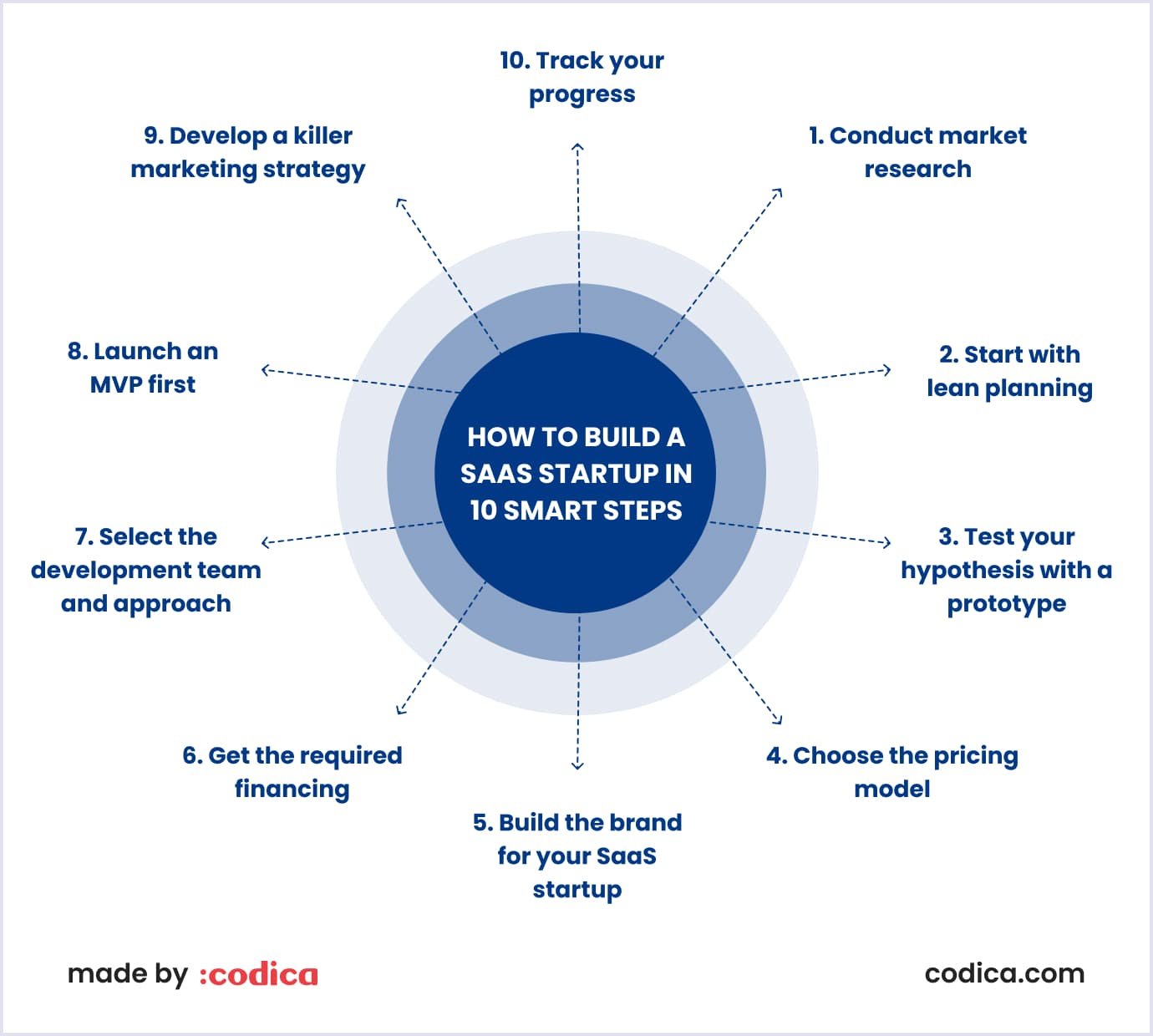
If you’re thinking about launching a SaaS (Software as a Service) business in 2024, you’re not alone. The SaaS model has become increasingly popular due to its scalability and the growing demand for digital solutions. However, success doesn’t happen overnight. A well-structured business plan is crucial to steer your startup in the right direction. You may be wondering how to develop a SaaS business plan that sets the stage for long-term growth and sustainability. In this article, we’ll take you through 10 essential steps that will help you create an effective SaaS business plan tailored for the unique challenges and opportunities of 2024.
1. Define Your Vision and Mission Statement
Before you dive into the nitty-gritty of your business plan, it’s essential to understand why your SaaS business exists. Start by defining your vision and mission statement. Your vision should articulate where you see your business in the future, while your mission should focus on what you aim to achieve daily to meet that vision.
For example:
- Vision: “To be the leading provider of cloud-based solutions that enhance productivity for small businesses worldwide.”
- Mission: “To empower small business owners with accessible and innovative software tools that simplify their daily operations.”
Having a clearly defined vision and mission will align your team and clarify your objectives to potential investors.
2. Conduct Market Research
Understanding your market is key to the success of your SaaS business. Conduct comprehensive market research to identify your target audience, competitive landscape, and industry trends. Explore various aspects, such as:
- Target Audience: Who will benefit most from your solution?
- Competitors: Analyze your direct and indirect competitors. What are their strengths and weaknesses?
- Trends: Stay updated on industry trends and technological advancements.
There are various methods for conducting market research, including surveys, interviews, and analysis of existing data. Utilize resources like Statista and industry reports to gather valuable insights.
3. Identify Your Unique Selling Proposition (USP)
Your SaaS business must stand out among the competition, and that’s where your Unique Selling Proposition (USP) comes in. Your USP should highlight what makes your service different and compelling. Consider the following questions:
- What specific problems does your software solve?
- What features set your solution apart?
- Why should customers choose you over your competitors?
For instance, if your SaaS product provides unparalleled customer support or unique integrations with popular tools, make that your USP. This will be a critical element in your marketing strategy.
4. Determine Your Revenue Model
One of the fundamental aspects of your SaaS business plan is your revenue model. SaaS businesses typically employ several revenue strategies, including:
- Subscription-based Pricing: Charge users a regular fee (monthly, quarterly, or yearly) for access to your software.
- Freemium Model: Offer a basic version of your service for free while charging for premium features.
- Tiered Pricing: Offer multiple pricing plans to cater to different segments of your target market.
Choosing the right model will significantly impact your financial projections and customer acquisition strategy. Be sure to evaluate which model resonates best with your target audience.
5. Create a Comprehensive Marketing Plan
With your product and audience in mind, it’s time to create a detailed marketing plan. Marketing will play a pivotal role in generating leads and driving sales for your SaaS business.
Key Components of Your Marketing Plan:
- Branding: Establish a strong brand identity, including your logo, colors, and messaging.
- Content Strategy: Develop a content calendar that includes blog posts, whitepapers, webinars, and social media content to engage your target audience.
- SEO (Search Engine Optimization): Optimize your website and content for search engines so your prospective customers can find you easily.
- Social Media: Leverage platforms like LinkedIn, Twitter, and Facebook to promote your software and build a community.
- Email Marketing: Use email marketing to nurture leads and communicate with your existing customers.
Having a well-rounded marketing strategy will not only help in acquiring customers but will also foster customer loyalty.

- Overcome negative thought patterns, reduce stress, and live a worry-free life
- Overthinking is the biggest cause of unhappiness
- Don't get stuck in a never-ending thought loop
- Stay present and keep your mind off things that don't matter, and never will
- Break free of your self-imposed mental prison
6. Develop Your Product Roadmap
Your SaaS business plan should include a product roadmap that outlines your development timeline, feature releases, and updates. This roadmap will help you:
- Visualize the long-term development strategy for your software.
- Align your team’s efforts towards agreed-upon goals and timelines.
- Communicate future capabilities to potential investors and customers.
Collaborate closely with your development team to identify critical features and prioritize development based on customer feedback and competitive analysis.
7. Financial Projections and Budgeting
No business plan is complete without a thorough financial analysis. Develop robust financial projections that cover revenue, expenses, cash flow, and profitability over the next three to five years. Important components include:
- Initial Costs: Estimate the costs of software development, infrastructure, marketing, and operations.
- Revenue Forecast: Use your revenue model to project earnings based on your marketing strategies and market research findings.
- Break-even Analysis: Determine when your startup will become profitable based on your projected expenses and revenue.
Investors will scrutinize your financials, so transparency and realism are essential. Be cautious with your assumptions and ready to defend them.
8. Outline Your Operational Plan
An operational plan details the everyday activities that will enable your SaaS business to thrive. Cover essential aspects such as:
- Team Structure: Define roles and responsibilities within your organization. Who will handle development, customer support, sales, and marketing?
- Technology Stack: Determine the technologies and tools you will use to build and maintain your SaaS platform.
- Customer Support: Outline how you will manage customer inquiries and issues. Will you use chatbots, helpdesk software, or a dedicated support team?
A well-constructed operational plan ensures that you can efficiently manage your resources and deliver a high-quality product to your customers.
9. Craft Your Executive Summary
The executive summary is a concise overview of your entire business plan. Although it appears at the start of your document, it’s often best to write it last so you have a complete understanding of your plan. Include the following elements:
- Business name, location, and the product you offer.
- A brief description of the target market and competitive landscape.
- Overview of your revenue model and financial projections.
- Summary of your marketing and operational strategies.
The executive summary will be the first—and oftentimes the only—section that investors and stakeholders read, so make it compelling and straightforward.
10. Review and Revise Regularly
Creating a business plan isn’t a one-time event; it’s an ongoing process. After drafting your business plan, make it a habit to regularly review and revise your document. Consider:
- Market Changes: Be aware of new trends, challenges, and opportunities in the SaaS industry.
- Performance Metrics: Track your metrics and KPIs (Key Performance Indicators) to see how well you’re meeting your projections.
- Feedback: Gather input from advisors, stakeholders, and customers to ensure your plan remains relevant and effective.
Revisiting your SaaS business plan will help you adapt and grow as the market landscape evolves.
Conclusion
Launching a SaaS startup in 2024 may feel daunting, but with a well-thought-out business plan, you will lay a strong foundation for success. By defining your vision, conducting thorough market research, and developing comprehensive marketing and operational strategies, you can navigate the challenges ahead with confidence.
As you embark on this journey, remember that flexibility and adaptability are key. Stay open to feedback, be prepared to pivot, and always keep an eye on emerging trends. With dedication, patience, and a solid plan in place, your SaaS startup can thrive in the competitive landscape ahead.
Whether you’re just starting or looking to refine your approach, following these 10 steps will guide you in developing a robust SaaS business plan tailored to the needs of your startup in 2024. Happy planning, and here’s to your future success!


