
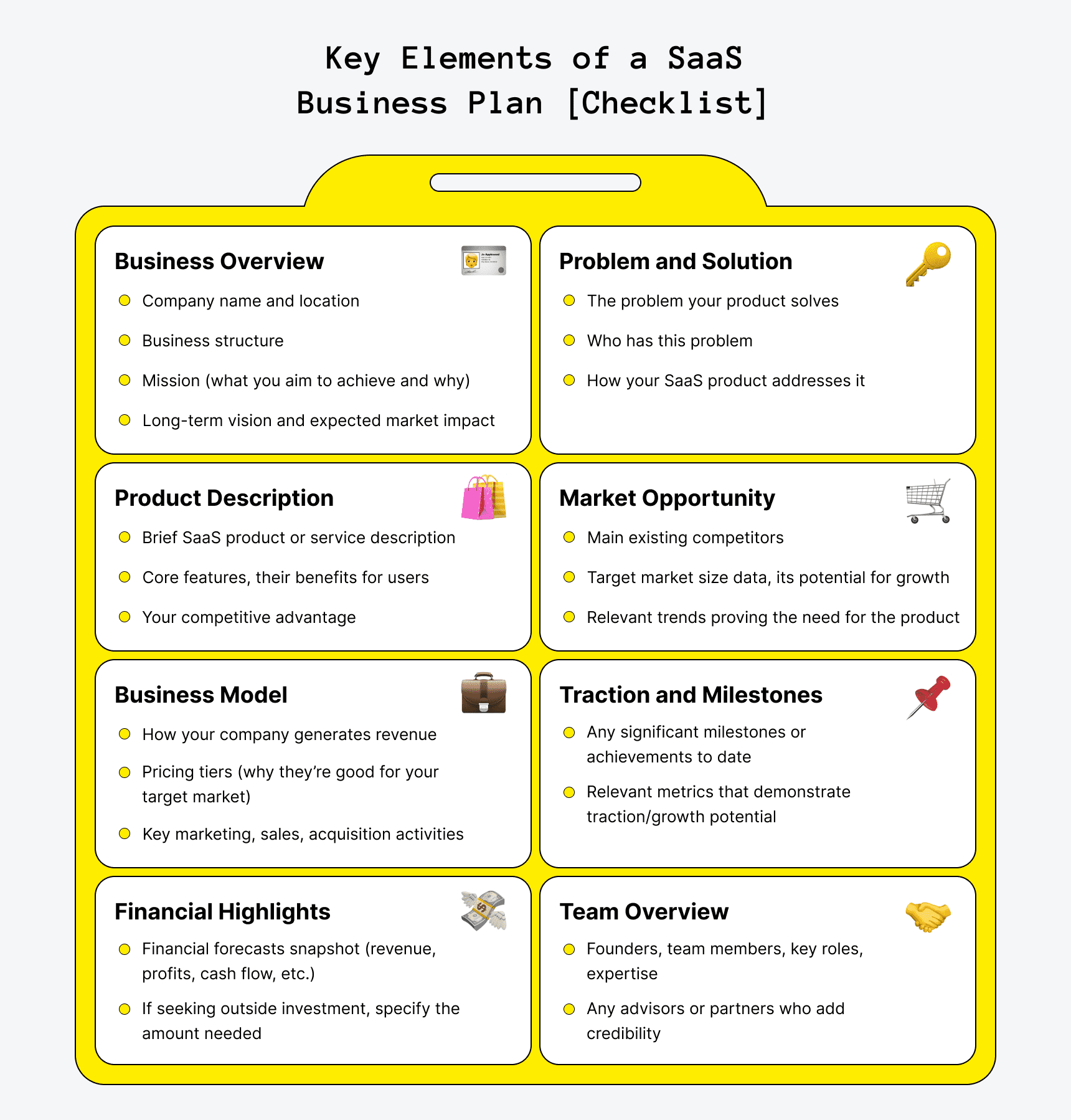
In a world where businesses must juggle numerous challenges to stay afloat, Software as a Service (SaaS) companies have emerged as some of the most promising models in the tech industry. As startups and established companies pivot towards this lucrative business model, investors are increasingly looking for SaaS business plans that align with their investment strategies. But what distinguishes an investor-friendly SaaS business plan from one that falls flat? This article delves deep into the essential elements that make a SaaS business plan attractive to investors, ensuring you have the best strategies at your disposal to draw in potential funding.
Understanding the SaaS Business Model
Before we dive into the components of an investor-friendly SaaS business plan, let’s briefly explore what makes the SaaS model so appealing. SaaS refers to software that is hosted in the cloud and offered to customers as a subscription service. This model has gained traction due to its low upfront costs and the flexibility it affords customers.
-
Recurring Revenue Stream: One of the most appealing aspects of SaaS is its subscription-based revenue model. This recurring revenue creates predictable cash flow, making it easier for businesses to strategize for growth and investors to gauge the stability of their investment.
-
Scalability: SaaS solutions can typically be scaled more easily than traditional software products. The infrastructure can often handle an increasing number of users without requiring significant additional resources.
-
Global Reach: A software company can reach a worldwide audience through the internet, which allows for broader market penetration compared to conventional businesses.
Essential Elements of an Investor-Friendly SaaS Business Plan
Investors want to see that your SaaS business plan covers a clear strategy for growth and profitability. Here are the key components that can make your SaaS business plan compelling:
1. Comprehensive Market Analysis
Investors need to grasp the market landscape in which your SaaS business will operate. Conduct thorough research into your target market, identifying:
-
Target Audience: Who are your ideal customers? What are their pain points? How does your solution resolve these pains?
-
Market Size and Growth Potential: Outline the size of your target market and its growth potential. Provide data on market trends, focusing on how SaaS adoption has surged in recent years.
-
Competitor Analysis: Identify your primary competitors. Describe their value proposition and how your SaaS offering differs, showing clear competitive advantages.
2. Well-Defined Unique Value Proposition (UVP)
Your Unique Value Proposition distinguishes your SaaS product from others available in the market. Clearly articulate what sets your product apart, whether it’s advanced features, seamless integrations, or exceptional customer service.
Example:
If your SaaS model offers advanced analytics and reporting features that competitors lack, emphasize how these capabilities provide invaluable insights to customers, driving better decision-making and ROI.
3. Scalable Revenue Model
Detail your pricing strategy. Investors are particularly interested in how your revenue model will sustain growth:
-
Subscription Tiers: Describe your different pricing plans (e.g., freemium, tiered pricing). Diversified options can accommodate various customer segments.
-
Customer Lifetime Value (CLTV): Quantify how much revenue you expect to generate from a single customer throughout their relationship with your business.
-
Acquisition Costs (CAC): Calculate customer acquisition costs and demonstrate how you intend to lower them over time, driving profitability.
4. Clear Go-To-Market Strategy
Developing a go-to-market strategy is crucial for illustrating to potential investors that you have a solid plan for gaining traction. This should cover:
-
Marketing Channels: Which channels will you utilize for customer acquisition? Consider using social media, paid ads, public relations, and content marketing.
-
Sales Strategy: Describe your sales process and whether you will employ an inbound or outbound sales strategy.
-
Partnerships: Identify potential partnerships or collaborations that could help accelerate market penetration.

- Overcome negative thought patterns, reduce stress, and live a worry-free life
- Overthinking is the biggest cause of unhappiness
- Don't get stuck in a never-ending thought loop
- Stay present and keep your mind off things that don't matter, and never will
- Break free of your self-imposed mental prison
5. Financial Projections and Key Metrics
Financial projections validate the viability of your SaaS business. Investors often want to see three to five years of projected revenue:
-
Projected Income Statements: Provide detailed income projections, including assumptions that support your forecasts.
-
Key Performance Indicators (KPIs): Define your KPIs, such as Monthly Recurring Revenue (MRR), churn rate, and customer acquisition cost (CAC). Show how you’ll track these metrics to demonstrate growth and profitability.
6. Strong Team Background
Investors invest in people just as much as ideas. Highlight the skills, industry experience, and accomplishments of your team members:
-
Key Team Members: Include brief bios and outline their previous successes that contribute to making your SaaS business attractive.
-
Advisory Board: If applicable, indicate any noteworthy advisors with relevant industry experience who are supporting your startup.
7. Risk Analysis and Mitigation Strategies
Every investor is aware of the inherent risks associated with startups. Address potential challenges head-on by highlighting:
-
Potential Risks: Discuss industry challenges, such as technological changes, competitive pressures, and market demand shifts.
-
Mitigation Strategies: Explain how you plan to minimize these risks. Investors will appreciate your proactive approach.
8. Outstanding Customer Support and Success Plan
For a SaaS business, keeping customers satisfied is paramount to long-term success. Outline your plan to enhance customer support:
-
Onboarding Process: Discuss how you will onboard new customers seamlessly.
-
Customer Feedback Loop: Explain how you will gather, analyze, and implement customer feedback to continuously improve your product.
-
Retention Strategies: Describe strategies you’ll implement to minimize churn rates, such as customer loyalty programs or engagement initiatives.
9. Exit Strategy
While it might seem premature, investors will want to understand your exit strategy:
-
Merger & Acquisition Potential: Examine potential acquirers within your industry who might view your company as a valuable addition.
-
IPO Plans: If going public is an option, describe the timeline and conditions under which you’d consider this route.
10. Engaging Presentation and Compelling Story
Finally, how you present your SaaS business plan can make all the difference. Create an engaging narrative that weaves together all the elements discussed:
-
Visuals and Charts: Utilize visuals to break down complex financial data, helping investors grasp your key points quickly.
-
Real-Life Use Cases: Use case studies or customer testimonials to demonstrate the effectiveness of your product.
-
Print and Digital Formats: Ensure your business plan is adaptable for different formats like digital presentations, printed documents, or pitches.
Conclusion
Creating an investor-friendly SaaS business plan requires meticulous preparation and a deep understanding of both your market and your potential investors’ expectations. From building a compelling Unique Value Proposition to thoroughly analyzing risks and financial projections, every element plays a role in attracting investment.
As you develop your business plan, keep refining your message and strategy, staying open to feedback and new ideas. Remember, your goal is to generate interest, build trust, and ultimately convince investors that your SaaS business is not just a good idea, but a great opportunity. By implementing these tips, you can construct a compelling path that leads you toward securing that much-desired investment.


