
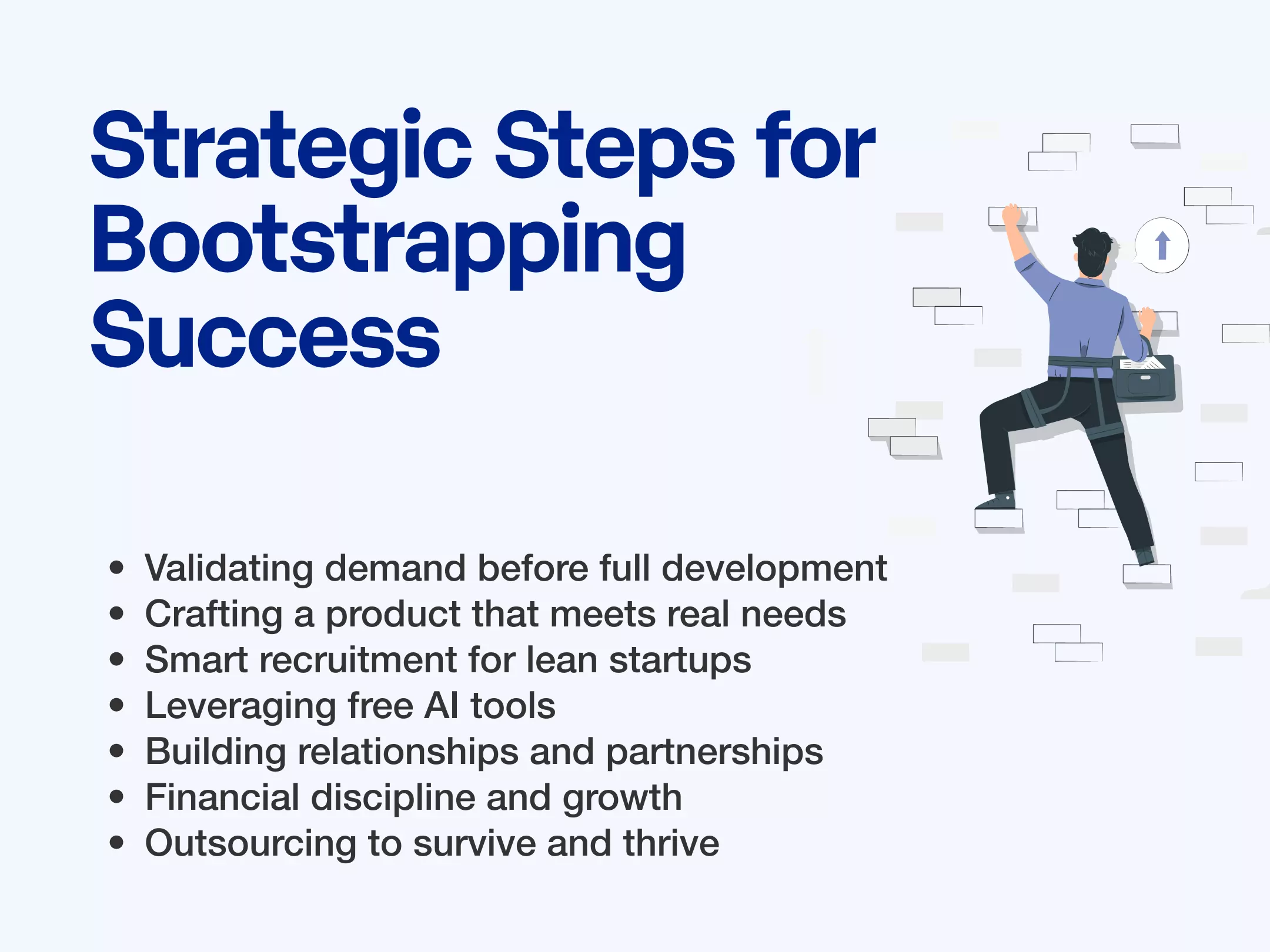
As a bootstrapped startup, launching a Software as a Service (SaaS) business might seem daunting, especially when considering the competition and the capital-intensive nature of many tech ventures. However, with a well-thought-out lean SaaS business plan and strategic execution, you can thrive even on a tight budget.
In this article, we will explore essential strategies for developing a lean SaaS business plan tailored for bootstrapped startups. Whether you’re a solopreneur or part of a small team, these tips can set the foundation for a successful launch and sustainable growth.
Understanding SaaS and Bootstrapping
What is SaaS?
Software as a Service (SaaS) is a model where software applications are delivered over the internet. This means customers can access them via a web browser without needing to install or maintain them on their devices. Popular examples of successful SaaS companies include Salesforce, Zoom, and Slack.
What Does Bootstrapping Mean?
Bootstrapping refers to the process of building a business from the ground up with limited resources—relying primarily on personal savings, early customer revenue, or operating cash flow to finance growth rather than seeking outside investment. This approach allows entrepreneurs complete control over their business and decision-making processes.
The Lean Startup Methodology
Before diving into strategies, it’s important to understand the lean startup methodology. Coined by Eric Ries in his book The Lean Startup, this framework emphasizes building a minimal viable product (MVP), testing it in the market, and using customer feedback to refine the product before full-scale launch. This approach helps startups avoid wasteful expenditures and increases their chances of success.
Key Components of a Lean SaaS Business Plan
-
Define Your Value Proposition: Clearly articulate what sets your SaaS offering apart from the competition. What problem does your software solve? Who are your target customers, and why would they choose your solution over others?
-
Identify Your Target Market: Isolate your ideal customer persona. Understand their pain points, behaviors, and demographics. Researching online communities, forums, and social media can provide valuable insights.
-
Develop a Minimum Viable Product (MVP): The MVP is a stripped-down version of your software that showcases its core features. It allows you to test your idea without expending unnecessary resources or time.
-
Customer Feedback Loop: Make feedback a central part of your business model. Early users can provide insights that inform your product development and marketing strategies. This iterative approach is crucial for refining your offering.
-
Lean Marketing Strategies: Focus on cost-effective marketing techniques that deliver maximum impact. Content marketing, social media engagement, and SEO are key for driving traffic and user acquisition without breaking the bank.
Lean SaaS Business Strategies for Bootstrapped Startups
Now that we have established the key components of a lean startup, let’s delve deeper into specific strategies that bootstrapped SaaS startups can employ.
1. Build a Strong Online Presence
An essential step in your SaaS startup’s growth is establishing a robust online presence. This involves creating:
-
A User-Friendly Website: Your site should clearly explain your product’s value proposition, contain testimonials, and provide a seamless user experience. Use simple, engaging designs that guide visitors toward conversion.
-
Content Marketing: Start a blog focused on your industry or niche. Create valuable articles that address common questions and pain points your target audience experiences. High-quality content not only enhances your SEO but also positions you as an authority in your field.
-
Social Media Engagement: Leverage social platforms to connect with potential customers. Share useful content, engage with followers, and participate in relevant discussions. Platforms such as LinkedIn, Twitter, and Facebook can be effective for reaching a professional audience.

- Overcome negative thought patterns, reduce stress, and live a worry-free life
- Overthinking is the biggest cause of unhappiness
- Don't get stuck in a never-ending thought loop
- Stay present and keep your mind off things that don't matter, and never will
- Break free of your self-imposed mental prison
2. Network with Other Entrepreneurs
Networking with fellow entrepreneurs can be not only enlightening but also serve as a great support system. Attend industry conferences, join online forums, or participate in local meetups. This not only helps you share experiences and advice but can also lead to potential collaborations, partnerships, or mentorship opportunities.
3. Optimize for SEO
Search Engine Optimization (SEO) should be a central part of your marketing strategy. Utilizing the right keywords will help your startup appear in search results when potential customers look for solutions like yours.
-
Keyword Research: Use tools like Google Keyword Planner or SEMrush to identify keywords relevant to your SaaS offering. Focus on long-tail keywords, as these often have less competition and higher conversion rates.
-
On-Page SEO: Ensure that your website’s titles, headings, and content are optimized for your target keywords. In addition, utilize internal linking to enhance navigation and boost engagement on your site.
-
Backlinks: Build backlinks by contributing guest posts to other blogs, being featured in industry publications, and collaborating with other businesses. Backlinks can significantly improve your website’s authority and search rankings.
4. Focus on Customer Acquisition and Retention
Acquiring customers is important, but retaining them is crucial for a sustainable SaaS business model.
-
Freemium Model: Consider offering a freemium option with limited features of your SaaS. This allows users to experience your product without any strings attached, increasing the likelihood of conversion to a paid plan once they see the value.
-
Email Marketing: Implement an email marketing plan to follow up with leads and keep existing customers engaged. Offer valuable content, announce new features, or share tips to help users get the most out of your software.
-
Customer Service: Invest in exceptional customer support. A responsive support team can turn a potentially negative user experience into a positive one, significantly improving retention rates.
5. Financial Management and Pricing Strategy
Managing your finances effectively is vital when bootstrapping your startup.
-
Lean Budgeting: Keep track of your expenses and avoid unnecessary outlays. Utilize free or low-cost tools for project management, accounting, and communication to keep costs down.
-
Dynamic Pricing: Experiment with different pricing models to find the optimal balance of customer acquisition and profitability. Consider tiered pricing, where customers can choose between different levels of service based on their needs and budget.
6. Leverage Analytics for Growth
Use analytics tools to gather data on user behavior and product performance. This information will help you make informed decisions about where to focus your efforts.
-
User Behavior Tracking: Understand how users engage with your software. Tools like Google Analytics, Mixpanel, or Hotjar can provide insights into user flows, feature utilization, and drop-off points.
-
A/B Testing: Conduct A/B tests on your website and marketing campaigns to see what resonates best with your audience. Continually optimizing based on data will help you refine your strategies for better results.
Conclusion
Starting a lean SaaS business as a bootstrapped startup is both challenging and rewarding. By focusing on a robust business plan, smart customer acquisition strategies, and efficient financial management, you can build a successful venture that caters to a dynamic market.
Remember that the journey of entrepreneurship is about learning and adapting. Each step you take—whether it leads to success or a learning experience—shapes the future of your business. Embrace feedback, foster connections, and remain agile in your approach.
With a combination of innovative thinking and strategic execution, your bootstrapped SaaS startup can thrive amidst the competition. So what are you waiting for? Begin your entrepreneurial journey today and watch your vision transform into reality!


