
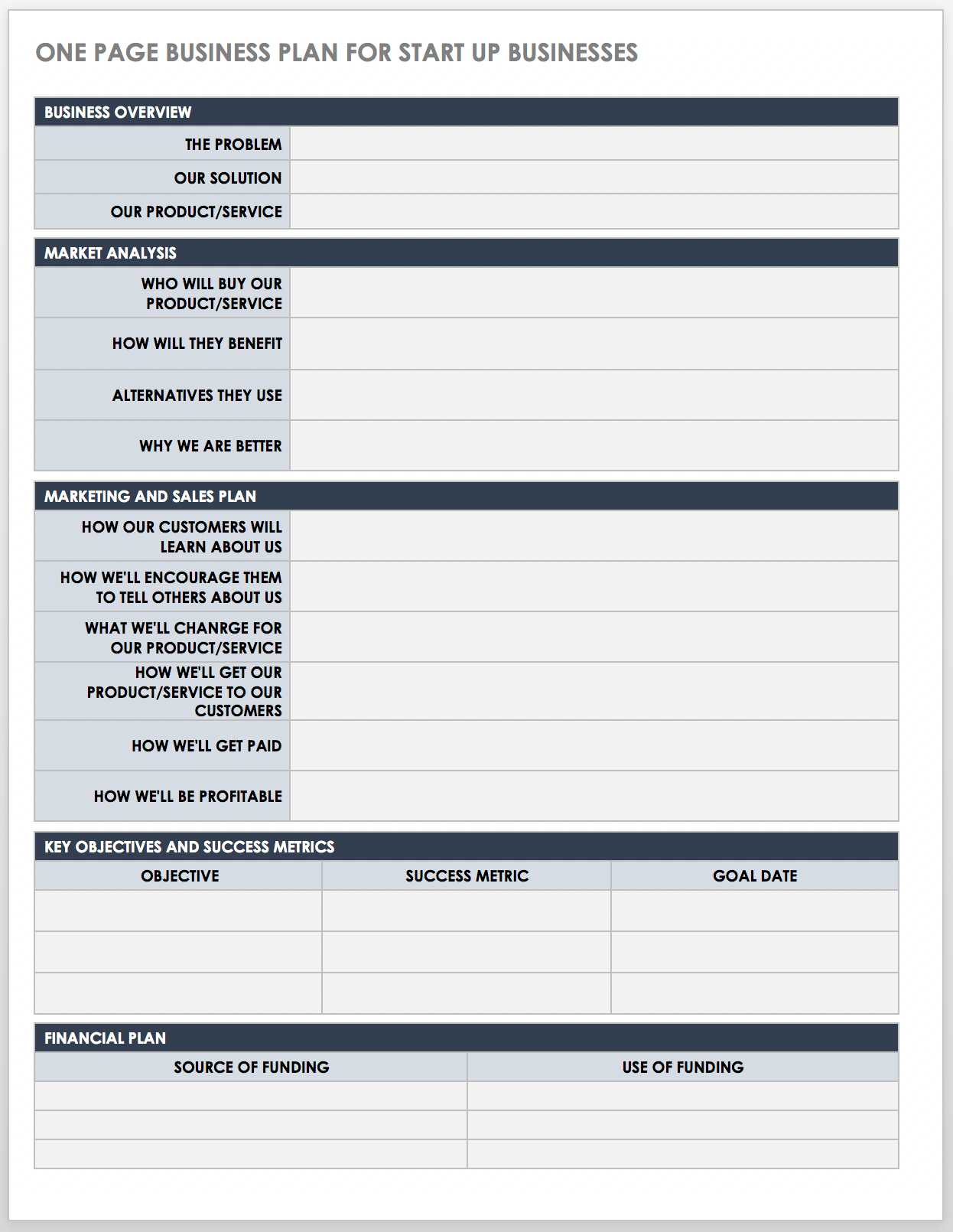
In today’s dynamic business landscape, Software as a Service (SaaS) has emerged as a game-changing model for startups and entrepreneurs looking to make their mark. With its recurring revenue model, enhanced scalability, and lowered barriers to entry, it’s no wonder many aspiring business owners are keen to enter this domain. But before you dive headfirst into the SaaS wave, there’s a critical factor that you must consider: a robust business plan. This article serves as your ultimate guide, providing you with a comprehensive SaaS startup business plan template tailored for new entrepreneurs.
Why a Business Plan?
A business plan is not just a document—it’s your strategic blueprint. It offers clarity on your visions, goals, and the steps you need to take to realize them. For SaaS startups, where competition is fierce and market dynamics can shift rapidly, a business plan acts as a navigational tool to avoid unnecessary pitfalls. Beyond that, it’s often essential for securing funding and support from investors. With a well-prepared plan, you can articulate your business model, market analysis, marketing strategies, and financial projections clearly.
Components of a SaaS Startup Business Plan
Creating a focused and structured business plan is vital for any SaaS startup. The following sections detail the essential components of a successful SaaS business plan.
1. Executive Summary
Your executive summary sets the stage for your entire business plan. This section should be concise yet compelling, summarizing the key aspects of your business.
What to Include:
– Business Name: The name of your startup and what it signifies.
– Mission Statement: A brief overview of what your company aims to achieve.
– Overview of Your Product: A snapshot of your software solution and its unique features.
– Market Position: The target market and user profile.
– Financial Summary: A brief outlook of your financial expectations.
2. Company Description
In this section, delve deeper into who you are, what you do, and why it matters.
What to Include:
– Business Structure: Specify whether you are a sole proprietorship, LLC, or corporation.
– Business Objectives: Define your short-term and long-term goals.
– Values and Vision: Share the core values that drive your organization.
– Location: Mention where your business will operate, even if it’s primarily online.
3. Market Analysis
Understanding the market landscape is crucial for a SaaS startup. Conduct thorough market research to provide insights and validate your business idea.
What to Include:
– Industry Overview: Discuss the SaaS market—what trends are dominating it? Is it growing or shrinking?
– Target Market: Define your ideal customer and their characteristics, such as demographics and psychographics.
– Competitor Analysis: Identify key competitors, their strengths and weaknesses, and your unique value proposition (UVP).
4. Organization and Management
This section outlines your business’s organizational structure, highlighting key members of your team.
What to Include:
– Team Overview: Introduce your team, including their roles and expertise.
– Organizational Structure: Consider using an organizational chart to illustrate the hierarchy and responsibilities.
– Advisory Board: Identify any external advisors or mentors who can provide guidance.
5. Product Line
Your product is at the heart of your SaaS business. It’s vital to articulate its features, benefits, and lifecycle in this section.
What to Include:
– Product Features: Outline what your software does and the problems it solves.
– Product Lifecycle: Discuss the development stages your software will go through and future upgrades.
– Intellectual Property: If applicable, mention any patents, copyrights, or trademarks.

- Overcome negative thought patterns, reduce stress, and live a worry-free life
- Overthinking is the biggest cause of unhappiness
- Don't get stuck in a never-ending thought loop
- Stay present and keep your mind off things that don't matter, and never will
- Break free of your self-imposed mental prison
6. Sales and Marketing Strategy
An effective marketing strategy is essential for getting your product into the hands of users.
What to Include:
– Marketing Channels: Discuss how you will promote your product (social media, content marketing, SEO, paid ads).
– Sales Strategy: Describe your sales approach (inbound, outbound, freemium models).
– Customer Acquisition Strategy: Outline how you plan to attract and retain customers.
7. Funding Request
If you’ll be seeking funding, it’s necessary to be clear about how much you need and how you intend to use it.
What to Include:
– Funding Requirements: Specify the amount you need and the purpose for it (e.g., product development, marketing, or staffing).
– Potential Funding Sources: Discuss potential investors or funding sources you’re considering.
– Future Financial Strategy: Mention how and when you plan to achieve profitability.
8. Financial Projections
A well-rounded financial forecast can convince potential investors of your viability.
What to Include:
– Revenue Model: Explain how you plan to make money—subscriptions, pay-per-use, etc.
– Projected Income Statement: Offer a forecast of your income for the next 3-5 years.
– Cash Flow Projections: Detail your anticipated cash inflows and outflows.
– Break-even Analysis: Identify when you expect to become profitable.
9. Appendix
The appendix is a supplementary section where you can include additional documents to support your business plan.
What to Include:
– Resumes of Team Members: Provide bios and relevant experience.
– Technical Specifications: If necessary, include more detailed descriptions of your software.
– Market Research Data: Attach any relevant data that supports your market analysis.
Tips for a Successful SaaS Business Plan
Creating a successful business plan isn’t just about following a template; it’s also about taking strategic steps to ensure its effectiveness.
1. Keep It Concise
While it’s essential to cover all aspects of your plan, make sure to keep it readable and straightforward. Avoid jargon and complex terminology that could confuse readers.
2. Be Realistic
When making financial projections or estimating market opportunities, aim for realism rather than optimism. Overly ambitious numbers can damage your credibility.
3. Use Visuals
Incorporating charts, graphs, and other visuals can streamline the presentation of complex data and analyses, making it easier to understand.
4. Revise and Update Regularly
Your business will evolve, and so too should your business plan. Set a schedule to review and update it regularly to ensure it remains relevant.
5. Seek Feedback
Before finalizing your business plan, seek feedback from trusted colleagues, mentors, or advisors. They can offer valuable insights or identify areas for improvement.
Conclusion: Your SaaS Journey Begins Here
Embarking on the SaaS entrepreneurship journey is an exhilarating endeavor filled with opportunities and challenges. A well-thought-out business plan acts as your lighthouse amidst the fog, guiding you through the choppy waters of starting and scaling your business.
By following this ultimate SaaS startup business plan template and incorporating the tips for success, you’ll position yourself for a smoother journey towards achieving your entrepreneurial dreams. Remember, it’s not merely about writing a plan; it’s about creating a living, breathing document that helps you adapt, thrive, and succeed in the competitive SaaS landscape.
Now, get started on shaping your vision, mitigating risks, planning your growth, and ultimately, turning your SaaS idea into reality. The world is waiting for your innovation!


