
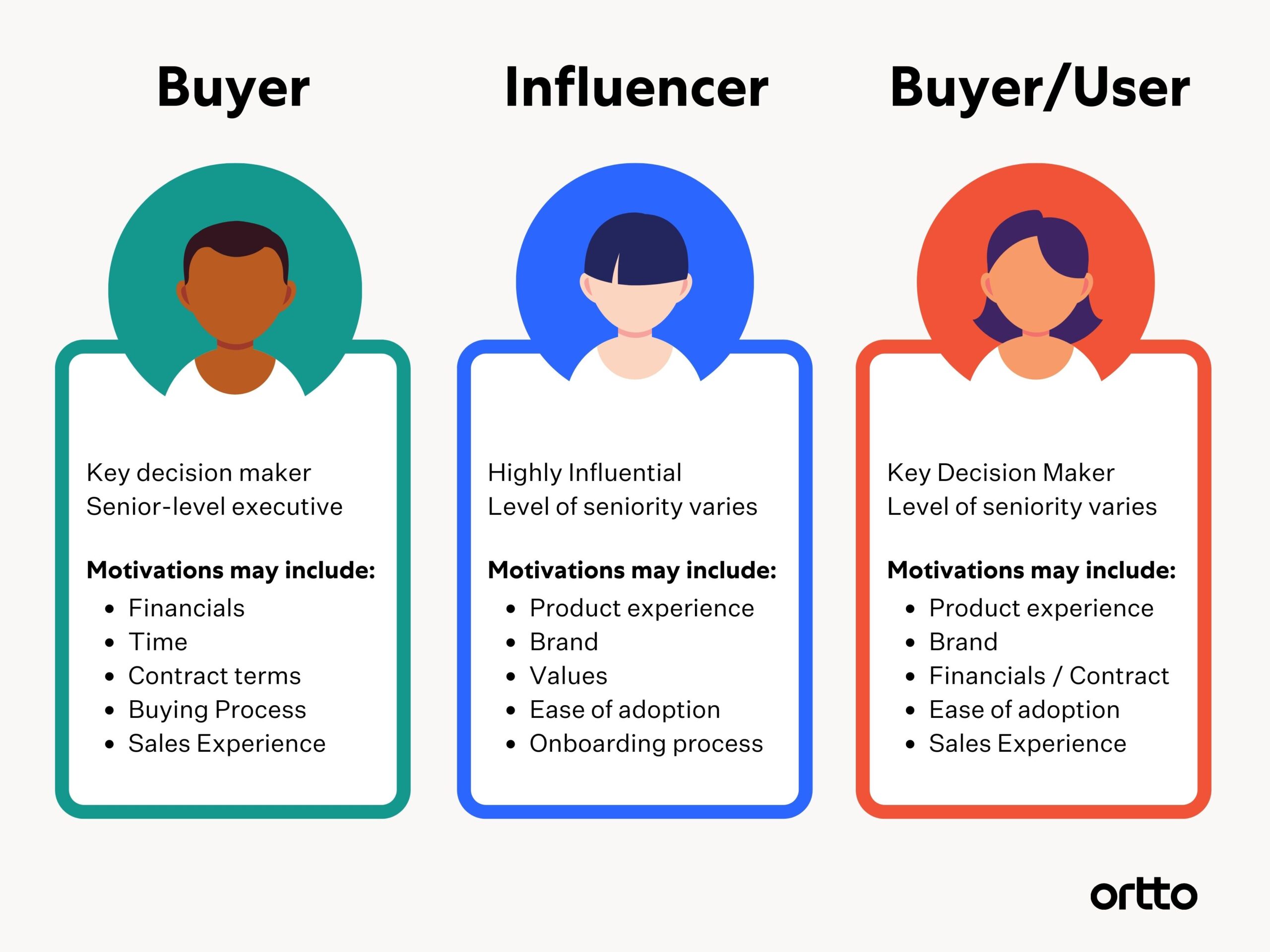
In today’s saturated SaaS (Software as a Service) market, businesses must differentiate themselves, not just through technology, but by deeply understanding their customers. Enter customer personas—a crucial tool for SaaS enterprises aiming to establish solid business plan objectives. This article will explore the importance of customer personas in shaping SaaS business strategies, particularly in relation to growth, engagement, and retention.
What Are Customer Personas?
Customer personas are semi-fictional profiles that represent your ideal customers. These personas are developed based on detailed research into demographic and psychographic data, behavioral patterns, and specific pain points and needs. By creating customer personas, businesses can gain insights into how their target audience thinks, feels, and acts—essentially humanizing the abstract concept of “the customer.”
Here’s an example: imagine your target customer is a small business owner named John, aged 35, who is tech-savvy, time-constrained, and struggles with managing his financial records. Through detailed market research, you define John’s interests, frustrations, and goals. This persona not only represents a significant segment of your audience but also offers a specific lens through which to evaluate your SaaS offerings.
Why are Customer Personas Essential for SaaS Businesses?
-
Customer-Centric Development: Developing actual software solutions that appeal to these diverse personas ensures you’re offering features that solve real problems. This customer-centric approach can lead to innovative product development based on actual user needs, rather than assumptions.
-
Targeted Marketing Strategies: Understanding who your ideal customers are allows you to craft targeted marketing campaigns. Instead of generic email blasts or social media posts, you can create messages that specifically address the desires and pain points of each customer persona, increasing engagement and conversion rates.
-
Improved Customer Experience: When you know who your users are and what they value, you can tailor your customer support and product experiences to meet their expectations, fostering loyalty and reducing churn.
-
Data-Driven Decisions: Employing customer personas allows your team to base product changes, features, and marketing strategies on real data and insights, while sidestepping the risks of intuition-based decisions, which may miss the mark.
-
Alignment Across Teams: Creating a shared understanding of customer personas across departments (marketing, sales, product development, etc.) ensures cohesive strategies and communication, streamlining operations and driving efficiency.
How to Create Effective Customer Personas
Developing effective customer personas involves a systematic approach:
Step 1: Perform Market Research
Begin with comprehensive market research. Use surveys, interviews, and online analytics to gather data on your current customers and broader audience. Pay attention to demographics (age, location, occupation) and psychographics (interests, motivations, challenges).
Step 2: Segment Your Audience
Once you have data, segment your audience into distinct categories—small business owners vs. enterprise-level clients, for example. This segmentation will help you focus on the most critical groups for your SaaS offering and understand their unique needs.
Step 3: Identify Key Characteristics
For each segment, identify key characteristics that define these groups. Consider questions like: What are their primary challenges? How do they utilize technology in their daily operations? What are their long-term business goals?
Step 4: Create the Persona Profiles
Translate the data into visually appealing, comprehensive persona profiles. Include demographic information, personality traits, goals, and pain points. It may also help to add a name and a photo; the more personal the profile, the better the team can relate.
Step 5: Validate and Update Personas
Regularly validate your personas through ongoing research and customer feedback. As your offerings evolve, so should your understanding of your customers. Regular updates will keep your marketing strategies relevant and effective.

- Overcome negative thought patterns, reduce stress, and live a worry-free life
- Overthinking is the biggest cause of unhappiness
- Don't get stuck in a never-ending thought loop
- Stay present and keep your mind off things that don't matter, and never will
- Break free of your self-imposed mental prison
Integrating Customer Personas into Your SaaS Business Plan
Once you’ve developed your customer personas, it’s time to integrate them into your SaaS business plan. Here’s how you can align your objectives with these personas effectively.
1. Define Clear Objectives Aligned with Personas
With your personas in hand, set specific objectives that resonate with their needs. For instance, if one of your personas represents small businesses struggling with a specific feature that your software offers, you might set an objective to enhance that feature significantly over the next quarter.
2. Tailor Marketing Strategies
Utilize the insights gained from your personas to create tailored marketing strategies. For example, if your persona is more active on LinkedIn, prioritize that platform for content distribution, targeting businesses directly with value propositions that address their pain points.
3. Optimize User Journey
Understanding your customer personas allows you to create an optimized user journey. Through user testing and feedback, ensure that the onboarding process addresses the unique education and support needs of each persona, reducing friction and improving the overall customer experience.
4. Set Metrics for Success
Define success metrics based on the characteristics of your personas. If your target personas highly value customer support, you might track metrics like Net Promoter Score (NPS) or Customer Satisfaction Score (CSAT) specifically among these groups.
5. Foster Continuous Communication
Create channels for continuous communication and feedback loops with your customers. Engaging with your audience regularly will enable you to iterate on your personas and refine your business strategies to better meet their needs.
Case Study: A SaaS Company’s Journey with Customer Personas
Let’s explore a short case study to illustrate the impact of customer personas on SaaS business planning.
Company: A cloud-based project management tool called “TaskFlare.”
Customer Personas: The TaskFlare team developed three main personas:
- Freelancer Fred: A young, tech-savvy freelancer who needs a straightforward project management tool.
- Michelle the SMB Owner: A time-constrained business owner who requires collaboration features to engage her remote team.
- Enterprise Eric: A corporate project manager looking for compliance and advanced reporting capabilities.
Business Objectives:
- For Freelancer Fred, the goal was to simplify the onboarding process, making it intuitive and quick to start.
- For Michelle, the team focused on collaborative features, ensuring her team could easily communicate while using the platform.
- For Enterprise Eric, the objective was to integrate compliance-focused features that would make the platform more appealing to larger organizations.
Results:
Within six months, TaskFlare saw:
- A 40% increase in sign-ups for freelancers due to improved onboarding.
- User engagement in SMB accounts rose by 30% following the introduction of new collaborative tools.
- Enterprise accounts increased by 25% after launching compliance features tailored to Eric’s persona.
Conclusion
In an increasingly competitive SaaS landscape, utilizing customer personas is not just advantageous; it’s essential. These personas allow businesses to build targeted strategies, enhance customer experiences, and ultimately drive growth. By taking the time to develop detailed customer profiles and integrating them into your business plan, you’re not merely serving customers—you’re building meaningful relationships focused on value and satisfaction.
So, are you ready to harness the power of customer personas to define your SaaS business plan objectives? The path to success lies in the understanding of your users, and that journey starts with a well-crafted persona. Dive in, conduct your research, and prepare to witness the transformative impact of customer-centric strategies on your SaaS venture!


