
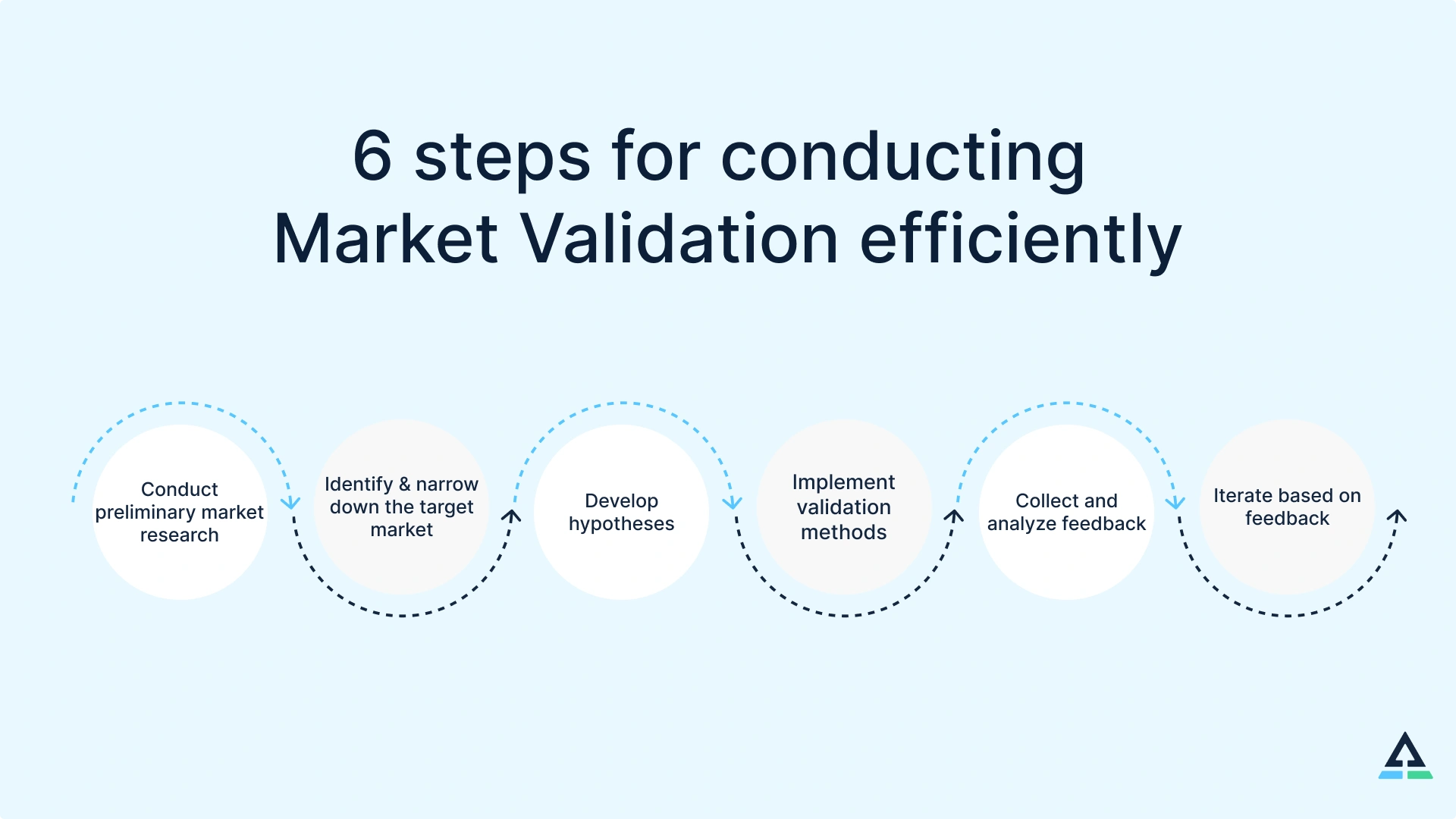
Starting a Software as a Service (SaaS) business can be an exhilarating journey that promises immense rewards. However, the landscape is competitive and dynamic, making it essential for entrepreneurs to validate their market before diving headfirst into development. Market validation techniques serve as a compass, guiding startup founders through the uncertainties and helping them build a product that resonates with their target audience. This article will explore effective market validation techniques to enhance your SaaS startup business plan and certainly point you in the right direction.
Understanding Market Validation
Before diving into the specifics, it’s vital to understand what market validation entails. In simple terms, market validation is the process of ensuring that a product or service has a viable market. It involves gathering feedback, conducting research, and utilizing data-driven approaches to confirm that potential customers have a genuine need for your solution.
Why Is Market Validation Important?
- Reduces Risk: By validating your idea upfront, you can avoid significant financial losses associated with producing a product that no one wants.
- Guides Product Development: Feedback derived from market validation can inform features that your target users value most, ensuring that your product aligns closely with their needs.
- Enhances Marketing Strategies: Understanding your audience through validation techniques helps create effective marketing strategies that resonate with potential customers.
- Improves Investor Confidence: Solid market validation can demonstrate to investors that there is a demand for your product, making them more likely to fund your venture.
Effective Market Validation Techniques
1. Customer Surveys and Interviews
One of the most straightforward methods of market validation is the customer survey. Surveys allow you to gauge how potential customers feel about your idea. Here’s how to implement this technique effectively:
- Define Your Objectives: What specific information do you want to glean from your audience? Focus on aspects like their current solutions, pain points, and desires.
- Keep It Short and Relevant: Busy entrepreneurs and business owners may not have time for lengthy surveys. Aim for 5-10 concise questions that cover the essentials.
- Use Open-Ended and Closed Questions: A combination of both will allow you to gather qualitative insights and quantitative data.
- Incentivize Participation: Consider offering a small incentive (like a discount on your future product) to encourage responses.
In-person interviews provide additional depth that surveys may not capture, enabling you to ask follow-up questions and clarify doubts in real time.
2. Create a Minimum Viable Product (MVP)
Building a Minimum Viable Product (MVP) is a fantastic strategy to validate your market. An MVP incorporates just enough features to meet the needs of early adopters. This technique allows you to launch quickly, gather user feedback, and improve based on real-world insights without fully committing to extensive features that may not resonate.
- Identify Core Features: Focus on the essential functionalities that solve the primary pain points of your target audience.
- Launch Early: Release the MVP and start marketing it immediately. It’s vital to gather user feedback as soon as possible.
- Iterate Based on Feedback: Once you accumulate user data and feedback, iterate on your product to meet their needs better.
3. Analyze Competitors
Competitor analysis helps you understand how your potential customers are currently solving their problems. Researching existing SaaS products allows you to identify gaps your startup can fill. Here’s what to focus on:
- SWOT Analysis: Conduct a SWOT (Strengths, Weaknesses, Opportunities, and Threats) analysis on your competitors. This enables you to see where your product can offer a unique value proposition.
- Customer Feedback: Study reviews and ratings for competitor products on platforms like G2 and Capterra to identify common complaints and desired features.
- Pricing Strategies: Analyze how competitors price their offerings. Consider whether your product will be positioned as a premium option or a cost-effective alternative.
4. Landing Page Testing
Creating a landing page for your SaaS idea is a clever way to gauge market interest. It allows you to present your concept and measure how many visitors express interest.
- Pitch Your Idea: Your landing page should include a compelling tagline, a brief description of your solution, and visuals that communicate its value.
- Call to Action (CTA): Include an actionable element, like signing up for a newsletter or pre-ordering the product, to collect leads and demonstrate interest.
- Run Ads: Use pay-per-click (PPC) advertising to drive traffic to your landing page and gauge how many prospects engage with your content.

- Overcome negative thought patterns, reduce stress, and live a worry-free life
- Overthinking is the biggest cause of unhappiness
- Don't get stuck in a never-ending thought loop
- Stay present and keep your mind off things that don't matter, and never will
- Break free of your self-imposed mental prison
5. Social Media and Online Communities
Social media and online communities are powerful tools for market validation. They provide a platform to engage with your target audience, share your idea, and solicit feedback.
- Join Relevant Groups: Participate in niche forums and communities, such as Reddit threads or LinkedIn groups related to your industry.
- Create Polls: Use tools available on platforms like Facebook or Twitter to gauge interest in your product concept. Simple polls can reveal valuable insights.
- Share Valuable Content: Position yourself as an expert by sharing blog posts or infographics around your industry challenges. This can help attract potential customers who may provide feedback.
6. A/B Testing with Prototypes
If you have a more developed prototype of your SaaS product, consider A/B testing different features or user interfaces on prototype users. This technique allows you to validate which elements resonate most with users.
- Create Two Versions: Develop two versions of a feature or interface and get users to interact with both.
- Analyze User Interaction: Gather quantitative data on user interaction and satisfaction to determine which version performs better.
- Adjust Accordingly: Use this data to refine your offering further before launching it to the broader market.
7. Industry Conferences and Networking
Attend industry-specific conferences and networking events to validate your idea. Engaging with industry leaders can offer insights you may not have considered.
- Present Your Idea: If possible, pitch your concept during networking sessions, and collect immediate feedback from industry peers.
- Engage in Discussions: Ask questions and have discussions with attendees to identify common pain points and trends in your industry.
- Seek Mentorship: Approach experienced entrepreneurs or mentors who can provide constructive criticism on your idea and its viability.
8. Pre-Sell Your Product
Pre-selling is a powerful technique where you essentially sell your SaaS product before it launches. This not only gauges interest but also helps fund initial development costs.
- Set Up a Pre-Sale Page: Create a page explaining your product and why it’s valuable, along with pricing options for early adopters.
- Offer Early-Bird Discounts: Encourage sign-ups with limited-time offers for pre-orders.
- Utilize Backer Platforms: Consider leveraging crowdfunding platforms like Kickstarter or Indiegogo to validate and fund your product.
9. Use Analytics and Metrics
If you’ve already launched a basic version, using analytics can help validate market interest. Key performance metrics can reveal user behavior, engagement rates, and user retention ages.
- User Engagement: Track how users engage with your product. High engagement metrics can indicate a viable market.
- Churn Rate: Monitor your churn rate to understand how many users abandon your platform after signing up and investigate possible reasons.
- Customer Lifetime Value (CLV): Estimate the revenue you can expect from a customer over their entire relationship with your product, which can further validate your value proposition.
10. Continuous Learning and Adaptation
Market validation shouldn’t be a one-off task; it’s an ongoing process. As your industry evolves, you must adapt your product and its features accordingly.
- Stay Updated: Regularly follow industry trends, shifts in consumer behavior, and emerging technologies that could affect your SaaS business.
- Maintain Customer Communication: Keep the lines of communication open with your customers, encouraging them to provide consistent feedback post-launch.
- Iterate Your Business Plan: Use the insights gathered to refine your business model and adapt to market demands.
Conclusion
Market validation is an integral part of any successful SaaS startup business plan. By employing techniques such as customer surveys, competitor analysis, and MVP testing, you’ll ensure your product not only meets the needs of your audience but also stands out in a competitive landscape.
Making informed decisions based on solid market evidence reduces risk, guides product development, and eventually paves the way for your startup’s success. Although the road ahead may be challenging, with diligent validation techniques, you can confidently navigate the SaaS journey and turn your innovative ideas into impactful solutions for your target market.
Embrace these validation strategies, engage with your audience, and remember: the key to a successful product lies in understanding and meeting the needs of your users. Good luck on your entrepreneurial adventure!


