
In the ever-evolving landscape of digital marketing, one strategy stands out for SaaS (Software as a Service) startups: leveraging long-tail keywords. But what exactly are long-tail keywords, and how can they be integrated into a business plan to ensure your SaaS startup stands out in a sea of competitors?
In this article, we will explore the concept of long-tail keywords, their significance for SaaS startups, and how to create a powerful business plan that incorporates these keywords effectively. By the end of this guide, you’ll have actionable insights to enhance your startup’s visibility and drive targeted traffic.
What Are Long-Tail Keywords?
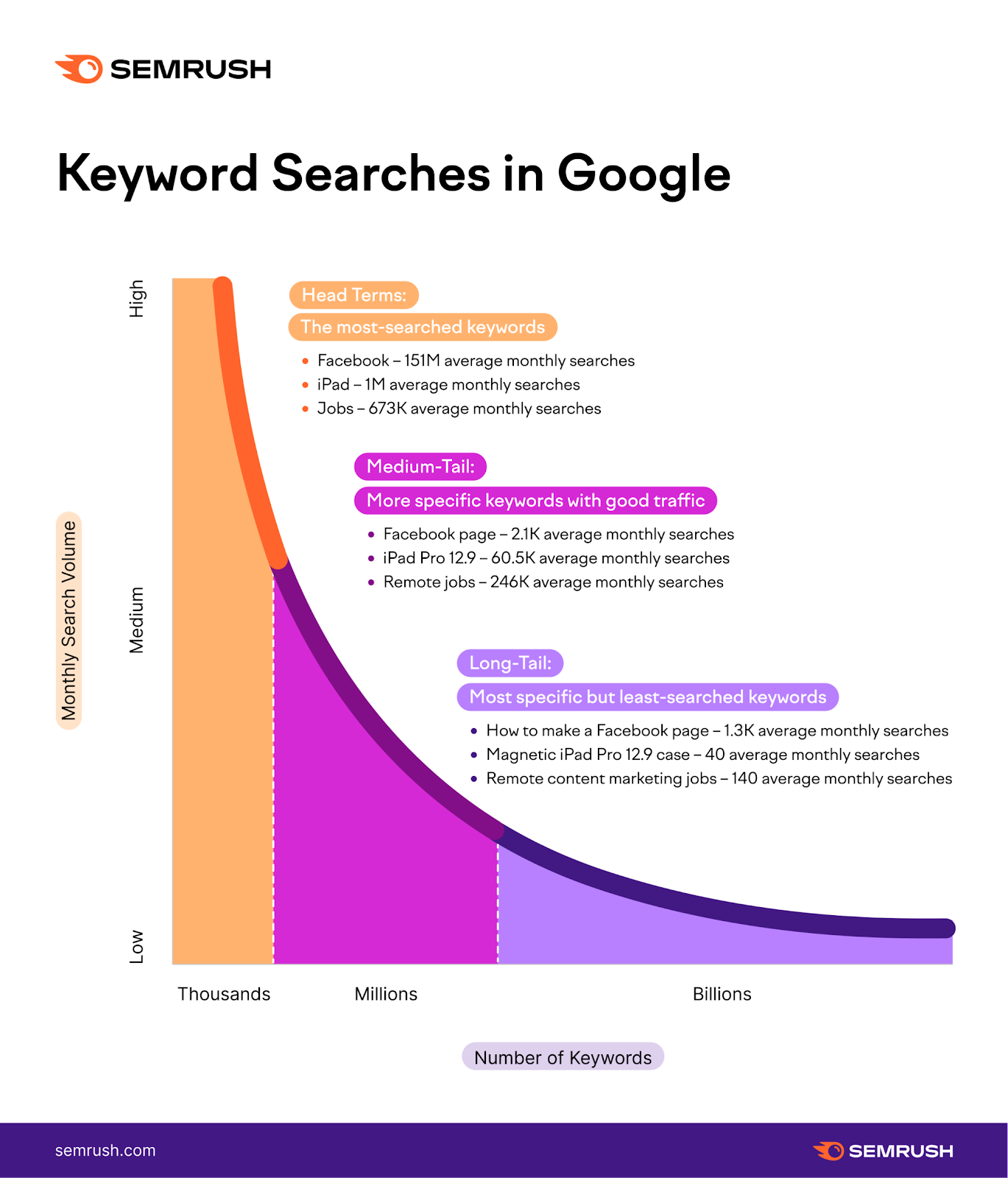
Long-tail keywords are search phrases that typically consist of three or more words. Unlike short-tail keywords, which are often broad and highly competitive (think “software” or “SaaS”), long-tail keywords are specific phrases that typically indicate a user’s intent. For example, “best project management software for remote teams” is a long-tail keyword.
Why Are Long-Tail Keywords Important for SaaS Startups?
-
Lower Competition: Most startups struggle to rank for short-tail keywords due to fierce competition. Long-tail keywords are less competitive, allowing SaaS startups to target niche markets effectively.
-
Higher Conversion Rates: Users searching for long-tail keywords are often further along in the buying process. They know what they want and are ready to convert, which means higher conversion rates for your startup.
-
Better User Intent Matching: Long-tail keywords often reflect specific user intent. By targeting these phrases, you can tailor your content to meet user needs, resulting in a better user experience and increased satisfaction.
-
Cost-Effective SEO Strategy: SEO campaigns focused on long-tail keywords often require lower investment compared to traditional PPC campaigns targeting short-tail keywords. For SaaS startups on a budget, this can mean significant savings.
Integrating Long-Tail Keywords into Your SaaS Business Plan
To effectively use long-tail keywords in your business plan, consider the following steps:
Step 1: Market Research and Niche Identification
The first step in your journey involves thorough market research. Identify who your target audience is and what problems they face. This will help you understand the language they use when searching for solutions. Delve into forums, social media groups, and review platforms to gather insights about your potential customers’ needs and preferences.
Step 2: Keyword Research
Once you have a clear understanding of your audience, it’s time to conduct keyword research. Utilize tools like Google Keyword Planner, Ahrefs, or SEMrush to find long-tail keyword opportunities. Here’s a strategic approach:
-
Brainstorm Initial Ideas: Start by listing potential keywords related to your SaaS offering. Think about your unique selling propositions (USPs) and the specific features that set your software apart.
-
Analyze Competitors: Discover what keywords your competitors are targeting. This can inform your approach and reveal gaps you can exploit.
-
Utilize Google Autocomplete: Type your primary keywords into Google and see what autocomplete suggestions come up. These suggestions are often long-tail keywords.
-
Check Related Searches: Scroll to the bottom of the Google search results page to find related searches. This section can be a goldmine for additional long-tail keyword ideas.
Step 3: Content Planning and Creation
Content is king, especially when it comes to SEO. Use your long-tail keywords to create valuable, informative content that addresses the specific needs of your audience. Here are some content ideas:
-
How-To Guides and Tutorials: Create in-depth guides that answer common questions related to your software. For example, “How to Use Our Project Management Tool for Effective Team Collaboration.”
-
Blog Posts: Write articles that incorporate long-tail keywords in a natural, informative way. For instance, “The Ultimate Checklist for Choosing Project Management Software for Marketing Teams.”
-
Webinars and Video Content: Consider hosting webinars or creating video tutorials. This can enhance user engagement and provide additional content that can be optimized for search engines.
-
Case Studies and Testimonials: Showcase stories that highlight the success of your existing customers while integrating relevant long-tail keywords.

- Overcome negative thought patterns, reduce stress, and live a worry-free life
- Overthinking is the biggest cause of unhappiness
- Don't get stuck in a never-ending thought loop
- Stay present and keep your mind off things that don't matter, and never will
- Break free of your self-imposed mental prison
Step 4: On-Page SEO Optimization
Now that you have your content ready, it’s time to optimize it for search engines:
-
Title Tags and Meta Descriptions: Ensure your long-tail keywords are included in your title tags and meta descriptions. This helps search engines understand the context of your content.
-
Header Tags: Use long-tail keywords in H1, H2, and H3 tags to structure your content. This not only improves SEO but also enhances readability.
-
URL Structure: Make your URLs keyword-friendly by incorporating long-tail keywords. A URL like “/project-management-software-for-remote-teams” is more effective than “/product123.”
-
Image Alt Text: Including long-tail keywords in the alt attributes of your images can also help improve your SEO.
Step 5: Building Backlinks
High-quality backlinks can significantly boost your SEO efforts. Reach out to bloggers, industry influencers, and relevant websites to share your content. Offer to guest post or collaborate on articles where you can include your long-tail keywords naturally.
Step 6: Monitoring and Adjusting Your Strategy
Finally, once your content is live, it’s essential to monitor its performance. Utilize analytics tools to track how well your long-tail keywords are ranking and how much traffic they are driving to your site. Based on this data, adjust your content strategy as needed to gain better results.
Common Long-Tail Keyword Mistakes to Avoid
Even seasoned marketers can falter when it comes to using long-tail keywords effectively. Here are some common mistakes to avoid:
-
Ignoring User Intent: Always prioritize user intent over keyword volume. A keyword may seem appealing based on search volume, but if it doesn’t align with what users are looking for, it won’t convert.
-
Overstuffing Keywords: Ensure that your content reads well and doesn’t feel forced. Keyword stuffing can lead to a negative user experience and may even hurt your SEO ranking.
-
Neglecting Local SEO: If your SaaS product targets a local audience, factor in local long-tail keywords such as “best invoicing software for small businesses in Chicago.”
-
Failing to Update Content: Regularly revisit and update your existing content with new long-tail keywords and relevant information to maintain its effectiveness.
Conclusion
Long-tail keywords play a pivotal role in the growth and success of SaaS startups. By leveraging their lower competition and high conversion potential, you can drive targeted traffic to your website and convert visitors into customers.
Developing a comprehensive business plan that incorporates long-tail keywords is no small feat, but breaking it down into actionable steps can make the process manageable. From market research and keyword analysis to content creation and optimization, each stage is critical for achieving your desired outcomes.
As you embark on this journey, remember that the landscape of digital marketing is ever-changing. Stay abreast of the latest trends, be open to iterating your strategy, and most importantly, focus on providing value to your audience. With determination and the right approach, your SaaS startup can thrive in a competitive market.
Now, it’s time to take action! Start integrating long-tail keywords into your business plan and watch as your SaaS startup gains visibility and traction. Happy optimizing!


