
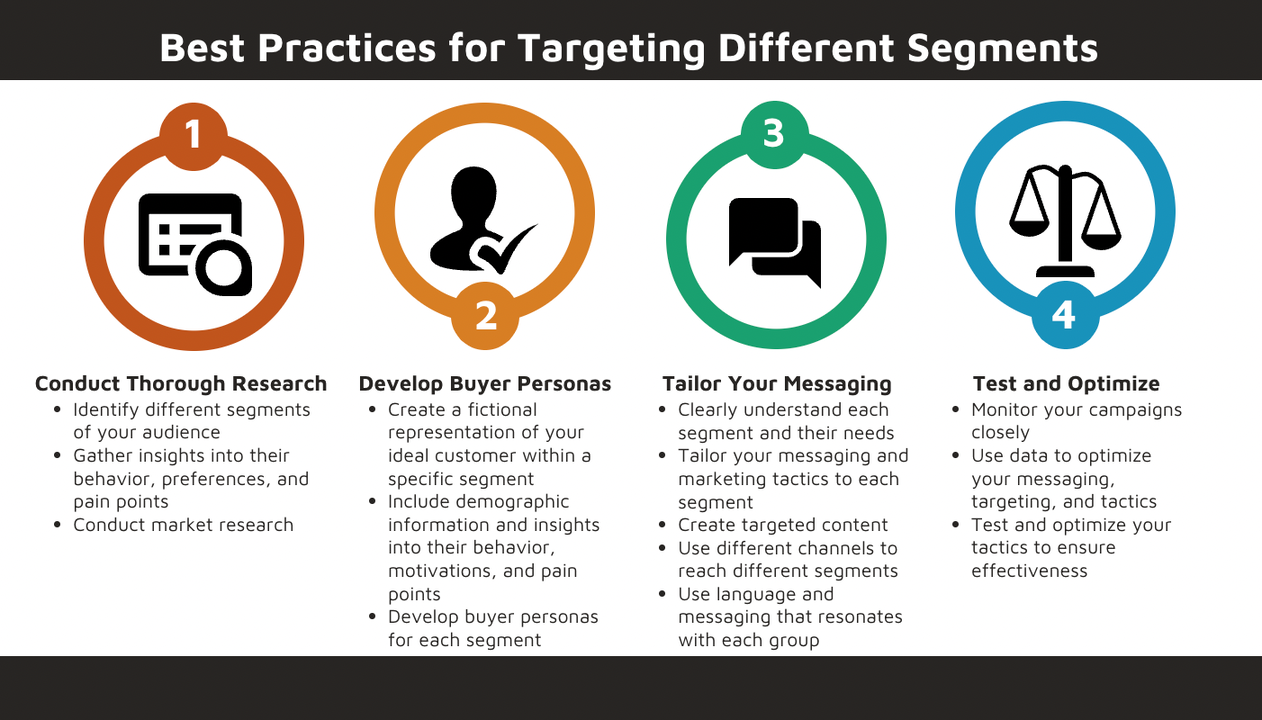
In today’s fast-paced digital landscape, Software as a Service (SaaS) companies stand at the forefront of innovation and disruption. As the industry continues to grow, understanding effective market segmentation tactics becomes paramount for crafting a winning business plan. If you’re looking to enhance your SaaS offerings and improve your business results, you’ve arrived at the right place. In this article, we will break down SaaS market segmentation tactics that can propel your business to new heights.
Understanding Market Segmentation
Before we dive into tactics, let’s briefly explore what market segmentation is. At its core, market segmentation involves dividing a broader market into smaller, distinct groups of consumers who share similar characteristics. This could be based on demographic variables (like age and income), psychographics (such as lifestyle and values), behavioral aspects (including purchasing behavior), or geographic criteria.
Why is this important for SaaS businesses? Because it allows companies to tailor their marketing strategies and product offerings to address the unique needs of each segment, enhancing customer satisfaction and boosting retention.
Key Segmentation Variables for SaaS
-
Demographics: Age, gender, income level, and educational background can all affect how users interact with software products. For instance, small business owners might prioritize affordability and ease of use, while enterprise-level clients often look for advanced features and security.
-
Firmographics: In the B2B SaaS space, firmographics come into play. This includes industry type, company size, revenue, and operational structure. A SaaS product for healthcare companies will differ from one aimed at retail businesses.
-
Behavioral Segmentation: By analyzing customer behavior—how they interact with your product, their purchase history, trial periods, and more—you can better understand what attracts certain segments to your software.
-
Geographic Segmentation: Location can significantly influence customer needs. Users in urban settings might value mobility and accessibility more than those in rural areas, who may prioritize offline capabilities or localized support.
-
Psychographics: This involves the lifestyle, personality traits, and values of your customers. Some users are early adopters who love cutting-edge technology, while others may prioritize cost-effectiveness and reliability.
Importance of SaaS Market Segmentation
By implementing effective market segmentation, your SaaS business can achieve several key benefits:
-
Targeted Marketing: Tailoring your marketing messages to specific segments increases the likelihood of engagement and conversion.
-
Enhanced Product Development: Understanding the unique needs and pain points of different segments allows for more targeted product features and improvements.
-
Increased Customer Retention: By addressing the specific needs of your customer segments, you can create an experience that keeps them engaged and loyal to your brand.
-
Optimized Pricing Strategies: Different segments may be willing to pay different prices for your services. Effective segmentation allows for pricing strategies that maximize revenue.
Proven Tactics for Effective SaaS Market Segmentation
Now that we understand the core principles behind SaaS market segmentation, let’s explore actionable tactics that can guide your strategy.
1. Conduct In-Depth Market Research
Before you can effectively segment your market, you need to understand it. Conducting thorough market research helps identify characteristics and behaviors of potential customers. Use surveys, interviews, and focus groups to gather valuable insights. Create buyer personas that encapsulate the demographics, goals, and pain points of each segment.
2. Analyze Your Current Customer Base
Your existing customers are invaluable resources for understanding market segmentation. Analyze your customer data to identify common traits. Tools like customer relationship management (CRM) software can help you gather and analyze this information efficiently.
3. Develop Tailored Marketing Campaigns
Once you have segments defined, create targeted marketing campaigns that speak directly to each group. Use personalized messaging and imagery that resonates with specific segments. For instance, if targeting small businesses, highlight cost savings and ease of implementation. For large enterprises, focus on scalability and advanced features.

- Overcome negative thought patterns, reduce stress, and live a worry-free life
- Overthinking is the biggest cause of unhappiness
- Don't get stuck in a never-ending thought loop
- Stay present and keep your mind off things that don't matter, and never will
- Break free of your self-imposed mental prison
4. Create Value-Based Pricing Strategies
As mentioned earlier, your segmentation data will inform your pricing strategy. Implement tiered pricing models that provide options based on the unique needs and budgets of different segments. For example, offer basic, mid-tier, and premium plans that cater to startups, SMEs, and large corporations.
5. Leverage Customer Feedback
Continuous feedback from customers is essential for refining your segmentation strategy. Use Net Promoter Score (NPS) surveys, customer satisfaction scores, and reviews to gauge how well your product meets the needs of each segment.
6. Utilize Marketing Automation Tools
Modern marketing automation tools (like HubSpot, Marketo, or Pardot) allow for personalized outreach at scale. By segmenting your email lists and automating personalized communication, you can engage your customer base more effectively while saving time.
7. Monitor Competitive Landscape
Regularly analyze competitors to understand how they segment their markets. Identify gaps in their strategies and adjust your own to not only keep pace but also gain a competitive edge.
8. Implement A/B Testing
A/B testing is critical for optimizing your marketing campaigns and product decisions. Test various messages, pricing structures, and features to determine what resonates best with each segment.
9. Invest in Customer Support
Exceptional customer support can be a significant factor in retaining customers. Tailor your support strategies based on the needs of different segments. For example, enterprise-level clients may require more comprehensive onboarding and dedicated support, while smaller businesses might prefer online resources and self-service options.
10. Create Segmented Content Marketing Strategies
Your content marketing should also reflect your segmentation strategy. Create blogs, webinars, case studies, and how-to guides targeting the unique challenges and interests of each segment. This positions your software as a relevant solution in their eyes.
Real-World Examples of Successful SaaS Segmentation
To solidify these tactics in your mind, let’s look at some successful SaaS companies that have effectively leveraged market segmentation to achieve their business goals.
1. Salesforce
Salesforce is a leading CRM software that serves a vast range of clients from freelancers to large corporations. They offer tailored solutions that vary in complexity, functionality, and pricing to suit distinct market segments. By understanding the unique challenges faced by different industries, Salesforce effectively communicates its value proposition, converting leads into customers.
2. HubSpot
HubSpot employs a freemium model to capture a broad audience while offering advanced features for enterprises. Their content marketing strategy includes tailored resources for different user segments—from small startups to established businesses. Each piece of content addresses specific pain points, solidifying their position as a thought leader and driving conversions across diverse customer profiles.
3. Zoom
During the pandemic, Zoom skyrocketed in popularity, catering to both personal and professional users. They leveraged segmentation to enhance user experience by providing essential features for different groups—students needed easy access for classes, businesses required secure, enterprise-level solutions, and individuals sought seamless connectivity with family and friends.
Conclusion
In the competitive world of SaaS, effective market segmentation is critical for driving growth and achieving success. By understanding the unique needs and characteristics of your target audience, you can create tailored marketing strategies, product offerings, and pricing models that resonate with each segment.
Utilizing the tactics we discussed will enable you to define and refine your target segments effectively, positioning your SaaS business as a leader in your niche. Remember, the key is to remain adaptable and continuously gather insights about your market; your customers will evolve, and so should your approach.
As you embark on your journey to better market segmentation, keep in mind that the ultimate goal is to provide unparalleled value to your customers. In doing so, you not only enhance your business results but also build lasting relationships that contribute to long-term success. Happy segmenting!


