
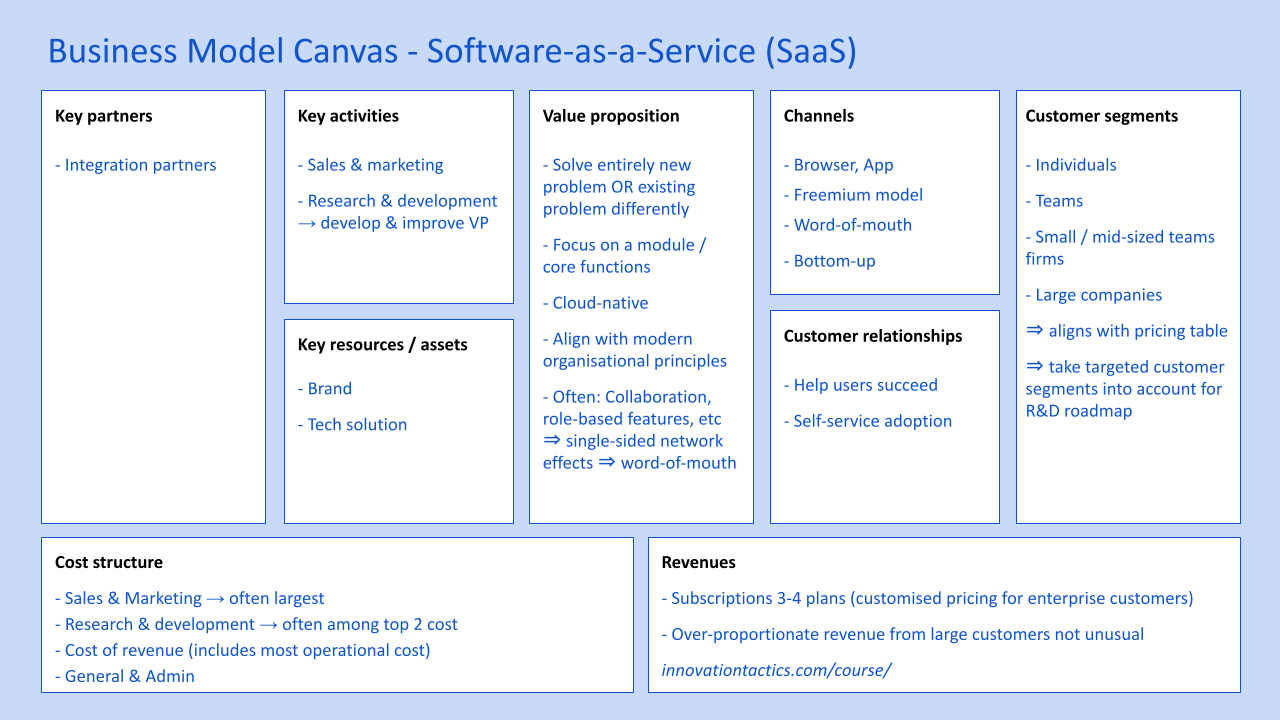
In today’s fast-paced digital world, businesses are increasingly gravitating towards Software as a Service (SaaS) models to meet consumer demands and streamline their operations. If you’re reading this, you are likely either a budding entrepreneur or an established business owner looking to pivot your offerings. Understanding how to create an effective SaaS revenue model for your business plan is pivotal not only for survival but also for growth in a competitive landscape.
In this in-depth article, we’ll explore the different facets of a SaaS revenue model, breaking down the key components, strategies, and best practices that will help you carve out a sustainable business. So, grab a cup of coffee, and let’s dive in!
What is a SaaS Revenue Model?
Before we delve into the specifics of designing a SaaS revenue model, it’s important to grasp what a SaaS model entails. Software as a Service is a cloud-based solution that allows users to access software applications via the internet without the hassle of installation or maintenance. Think of services like Google Workspace, Salesforce, or Dropbox—they epitomize the SaaS business model.
A revenue model, in this context, refers to the strategy your company will use to generate income from your software services. It covers not only how you price your software but also how you deliver value to your customers.
Why is a Strong SaaS Revenue Model Important?
-
Predictable Income: A well-structured revenue model enables you to forecast your earnings effectively, facilitating better financial planning.
-
Customer Retention: An appropriate model fosters long-term relationships, enhancing customer loyalty and reducing churn rates.
-
Competitive Advantage: Adopting a unique revenue model can differentiate your offering from competitors, attracting a specific target audience.
-
Scalability: SaaS models are inherently scalable; a solid revenue model allows you to grow without the proportional increase in costs.
Key Components of a SaaS Revenue Model
Creating a robust SaaS revenue model requires careful consideration of several factors. Here are the key components to keep in mind:
1. Pricing Strategy
Pricing is arguably one of the most impactful elements of your revenue model. There are several pricing strategies you might consider for your SaaS business:
-
Subscription-Based Pricing: This is the most common pricing model, where customers pay a recurring fee (monthly or annually) to access your service. Pricing tiers can vary based on features, usage levels, or other factors.
-
Freemium Model: Offer a basic version of your product for free, while charging for premium features. This strategy helps build a user base quickly while converting free users into paying customers over time.
-
Pay-as-You-Go: Customers pay only for what they use. This model is ideal for businesses offering variable services, like cloud storage or API usage.
-
Tiered Pricing: This involves offering multiple packages at different price points, catering to various customer segments and their specific needs.
-
Enterprise Pricing: Tailored for larger organizations, this model often involves custom pricing and is negotiated based on the size and needs of the enterprise.
2. Target Audience
Identifying your target audience is critical to creating a successful SaaS revenue model. Understanding who will benefit most from your service—be it small businesses, large enterprises, or specific industry verticals—will allow you to tailor your offerings and marketing strategy accordingly.
3. Value Proposition
Your value proposition is what sets you apart from the competition. Clearly articulating the benefits and unique features of your SaaS product will help to justify its pricing and attract your target audience.
4. Customer Acquisition Cost (CAC)
This is the total cost of acquiring a new customer, including marketing expenses and sales costs. A strong revenue model will enable you to optimize your CAC to ensure profitability over time.

- Overcome negative thought patterns, reduce stress, and live a worry-free life
- Overthinking is the biggest cause of unhappiness
- Don't get stuck in a never-ending thought loop
- Stay present and keep your mind off things that don't matter, and never will
- Break free of your self-imposed mental prison
5. Customer Lifetime Value (CLTV)
Understanding the long-term value a customer brings can help inform decisions on how much you’re willing to spend on customer acquisition. The higher the CLTV, the more you can invest in attracting new customers, ensuring growth.
Steps to Create Your SaaS Revenue Model
Now that we have a grasp of the key components, let’s walk through the steps to create a SaaS revenue model tailored to your business plan.
Step 1: Market Research
Before any decisions can be made about your revenue model, thorough market research is essential. Dive into competitor analysis, understand the current market trends, and identify gaps where your product can offer value.
Step 2: Define Your Target Audience
Determine who your ideal customers are. Create buyer personas that include demographics, preferences, pain points, and budgets. This knowledge will guide your pricing strategy and marketing efforts.
Step 3: Choose a Pricing Model
Based on your research and understanding of your target audience, decide on a pricing model that aligns with their needs and behaviors. Could a subscription model work best, or would a tiered approach cater to a wider range of customers?
Step 4: Calculate CAC and CLTV
Use your market research and business metrics to calculate your Customer Acquisition Cost and Customer Lifetime Value. This information will inform your pricing strategy and help you to understand how to maximize profitability.
Step 5: Build Your Value Proposition
Craft a clear and compelling value proposition that outlines how your SaaS offering solves your target audience’s problems better than competitors. This proposition should be communicated consistently across all channels.
Step 6: Implement and Monitor
With your revenue model in place, it’s time to launch and monitor performance. Utilize key metrics like Monthly Recurring Revenue (MRR), churn rate, and customer feedback to continually refine your model.
Step 7: Iterate Based on Feedback
The SaaS landscape is constantly evolving, and so too should your revenue model. Regularly gather data and feedback from customers and analyze market changes to make necessary adjustments.
Best Practices for a Successful SaaS Revenue Model
To maximize your chances of success, consider these best practices:
-
Focus on Customer Success: Prioritize customer success and support to boost retention rates and enhance CLTV.
-
Regularly Update Your Offering: Continuously improve your service based on market needs and user feedback to maintain a competitive edge.
-
Transparent Pricing: Ensure your pricing model is clear and easy to understand. Customers should know exactly what they’re paying for to build trust and credibility.
-
Offer Free Trials: Allow potential customers to try your service before committing. This lowers the barrier to entry and can lead to higher conversion rates.
-
Leverage Data Analytics: Use analytics tools to gain insights into user behavior, sales trends, and overall performance. These insights will drive informed decision-making.
Conclusion
Creating a SaaS revenue model for your business plan is not just about choosing a pricing strategy; it’s about understanding your market, your customers, and the unique value your product delivers. As you navigate your SaaS journey, remain flexible and responsive to changes in the market and your audience. By effectively leveraging these insights and implementing best practices, you can develop a robust SaaS revenue model that not only meets your business goals but also fosters lasting relationships with your customers.
With the right approach, your SaaS business can thrive in an increasingly digital economy. Prepare for success—start crafting your SaaS revenue model today!
By following this guide, you are not only positioning your business for growth but also equipping yourself with the knowledge necessary to tackle the ever-evolving demands of the SaaS landscape. Happy building!


