
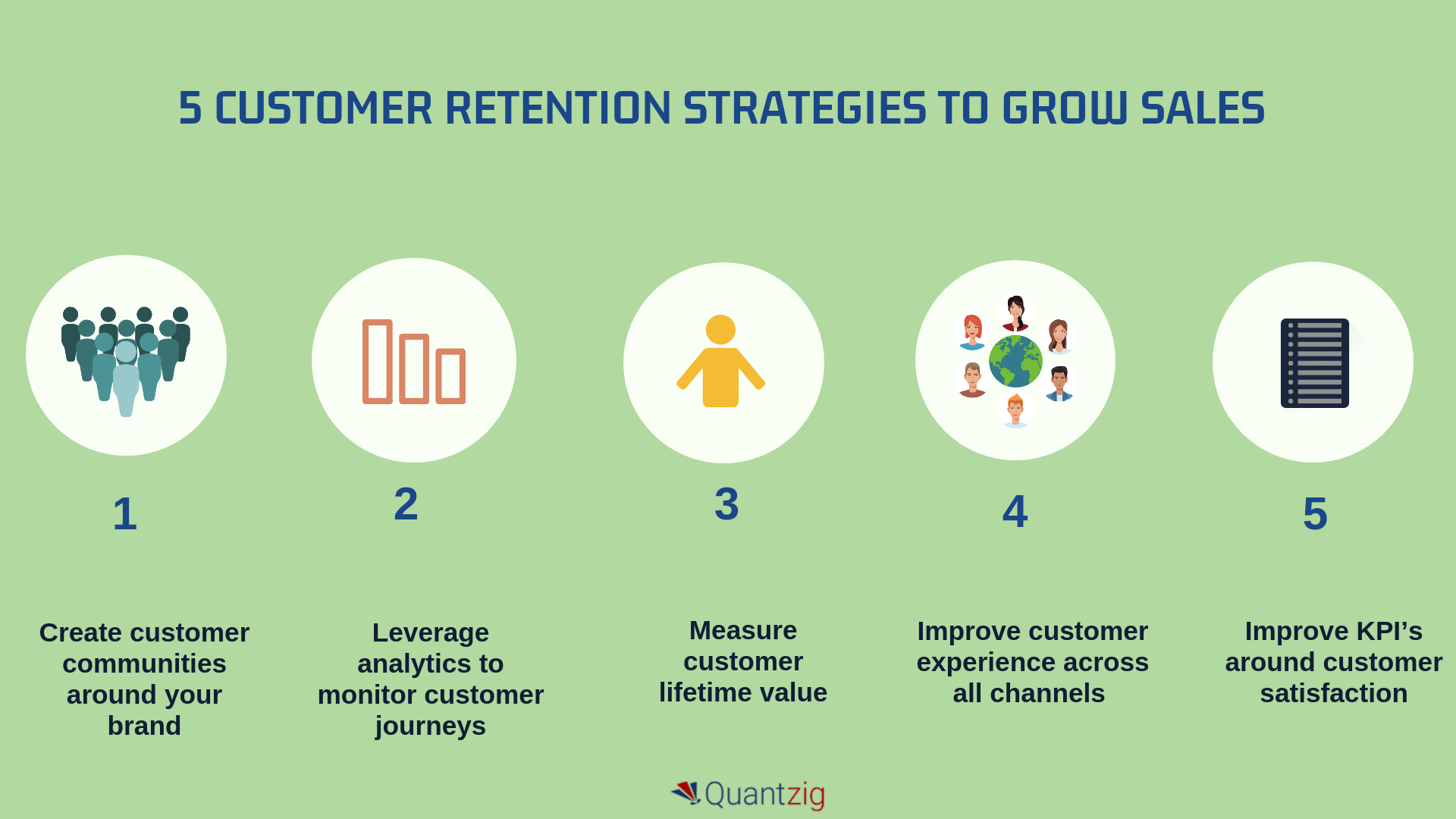
In the fast-paced world of Software as a Service (SaaS), it’s not just about acquiring new customers; it’s also about retaining them. The importance of customer retention cannot be overstated—retaining existing customers can cost significantly less than acquiring new ones. In this article, we will explore various customer retention models that can help SaaS businesses enhance their ROI (Return on Investment) and contribute to sustainable growth.
Understanding Customer Retention in SaaS
Before diving into specific retention models, it’s crucial to understand the unique landscape of SaaS businesses. SaaS companies generally operate on a subscription model, which means that customer retention directly impacts revenue. A high customer churn rate can be detrimental to growth, making it essential for SaaS businesses to focus on retention strategies.
Customer retention is not just about keeping customers but also about maximizing their lifetime value (LTV). When customers stay longer and engage more, they not only contribute to lower churn rates but also offer upsell and cross-sell opportunities, further boosting ROI.
Why Focus on Customer Retention?
-
Cost Efficiency: Acquiring new customers can be 5 to 25 times more expensive than retaining existing ones. Implementing effective retention strategies can lead to a substantial reduction in marketing and sales expenses, ultimately improving ROI.
-
Higher Lifetime Value: Long-term customers tend to spend more over time. With careful management and targeted offers, SaaS businesses can enhance LTV, which directly contributes to a better ROI.
-
Brand Advocacy: Satisfied customers are likely to become brand advocates. They recommend your services to others, act as references, and contribute to positive online reviews—all of which can reduce acquisition costs and improve brand reputation.
-
Feedback Loop: Customers who stick around offer valuable feedback that can help improve product offerings. This information can be vital for iterating on product development and enhancing user experiences.
Different Customer Retention Models
Here are some effective customer retention models that SaaS businesses can adopt to boost their ROI:
1. The Customer Success Model
Customer success is all about ensuring that customers achieve their desired outcomes while using your product. It involves proactive engagement, dedicated account management, and providing a solution-oriented experience.
Key Strategies:
– Onboarding: A smooth onboarding process ensures that customers are set up for success right from the start. Comprehensive training and easy-to-follow guides can enhance customer understanding of the product.
– Regular Check-Ins: Implement regular check-ins with customers to monitor their usage patterns, identify potential issues, and offer solutions. Tools like CRMs can help manage these relationships.
– Targeted Strategies: Identify customers who may be at risk and implement targeted retention strategies like personalized email campaigns or exclusive features.
2. The Subscription Model
In the subscription model, businesses offer tiered subscription levels that cater to different customer needs. This model ensures that customers find value in their subscription, which can lead to a lower churn rate.
Key Strategies:
– Flexible Pricing Plans: Having various pricing tiers gives customers the chance to pick services that fit within their budget while still deriving value from the solution.
– Freemium Model: Offering a freemium option is another way to attract customers. Once users experience the product’s value, they may upgrade to a paid tier.
– Promotions: Limited-time offers or loyalty discounts can encourage customers to stay and continue their subscription.

- Overcome negative thought patterns, reduce stress, and live a worry-free life
- Overthinking is the biggest cause of unhappiness
- Don't get stuck in a never-ending thought loop
- Stay present and keep your mind off things that don't matter, and never will
- Break free of your self-imposed mental prison
3. The Community Engagement Model
Creating a community around your product can significantly boost customer retention. Engaging customers through forums, social media, and user groups fosters a sense of belonging, which can lead to higher loyalty.
Key Strategies:
– Forums and Discussion Boards: Establish platforms where customers can ask questions, share tips, and discuss challenges related to your product. This not only enhances customer engagement but also builds a supportive network.
– User Groups: Organize regular online/offline meetups where customers can network, share feedback, and learn from each other.
– Social Media Engagement: Use social media for customer interaction, sharing updates, and responding to inquiries promptly.
4. Performance Monitoring Model
Monitoring customer performance is integral in understanding how well they are utilizing your software. This model allows you to track various metrics that can provide insight into customer satisfaction and areas that may require attention.
Key Strategies:
– Usage Analytics: Implement tools to track customer usage patterns. Analyze the data to identify trends and determine if customers are leveraging your product effectively.
– Customer Satisfaction Surveys: Conduct periodic surveys to gauge satisfaction levels and identify areas for improvement. Use the feedback to enhance your product.
– Net Promoter Score (NPS): Utilize NPS surveys to assess customer loyalty and willingness to recommend your service. High NPS scores are often indicative of higher retention rates.
5. Feedback Loop Model
Continuously gathering feedback and implementing changes based on that feedback is crucial for customer retention. A strong feedback loop helps SaaS businesses stay aligned with their customers’ needs and expectations.
Key Strategies:
– Regular Check-Ins for Feedback: Schedule periodic meetings or calls to gather feedback from customers regarding their experiences. Document this feedback to refer back to when making product updates.
– Focus Groups: Create focus groups of loyal customers to get deeper insights into their experiences and gather suggestions for enhancements.
– Advisory Boards: Establish an advisory board of key customers who can provide ongoing input related to product development and strategy.
Conclusion: Making Customer Retention a Priority
As a SaaS business, customer retention should be a cornerstone of your business strategy. Implementing these models not only helps in retaining customers but also enhances the overall customer experience, creating a win-win scenario.
By focusing on customer success, providing flexible subscription models, fostering community engagement, monitoring performance, and creating a strong feedback loop, SaaS businesses can significantly boost their ROI.
In an industry where competition is fierce, adopting effective customer retention strategies can differentiate your SaaS product and lead to sustainable growth. Remember, a happy and engaged customer is the best advertisement you can get, so invest in customer retention today to reap benefits in the long run.
By adhering to these models and regularly evaluating their effectiveness, you can adapt to ever-changing customer needs and maintain a loyal customer base, ultimately contributing to the success of your SaaS business.
Call to Action
If you found value in this article, consider subscribing to our travel blog magazine for more insightful articles on business, technology, and travel. Additionally, share your experiences and strategies on customer retention in the comments below—let’s foster a community of learning and growth!


