
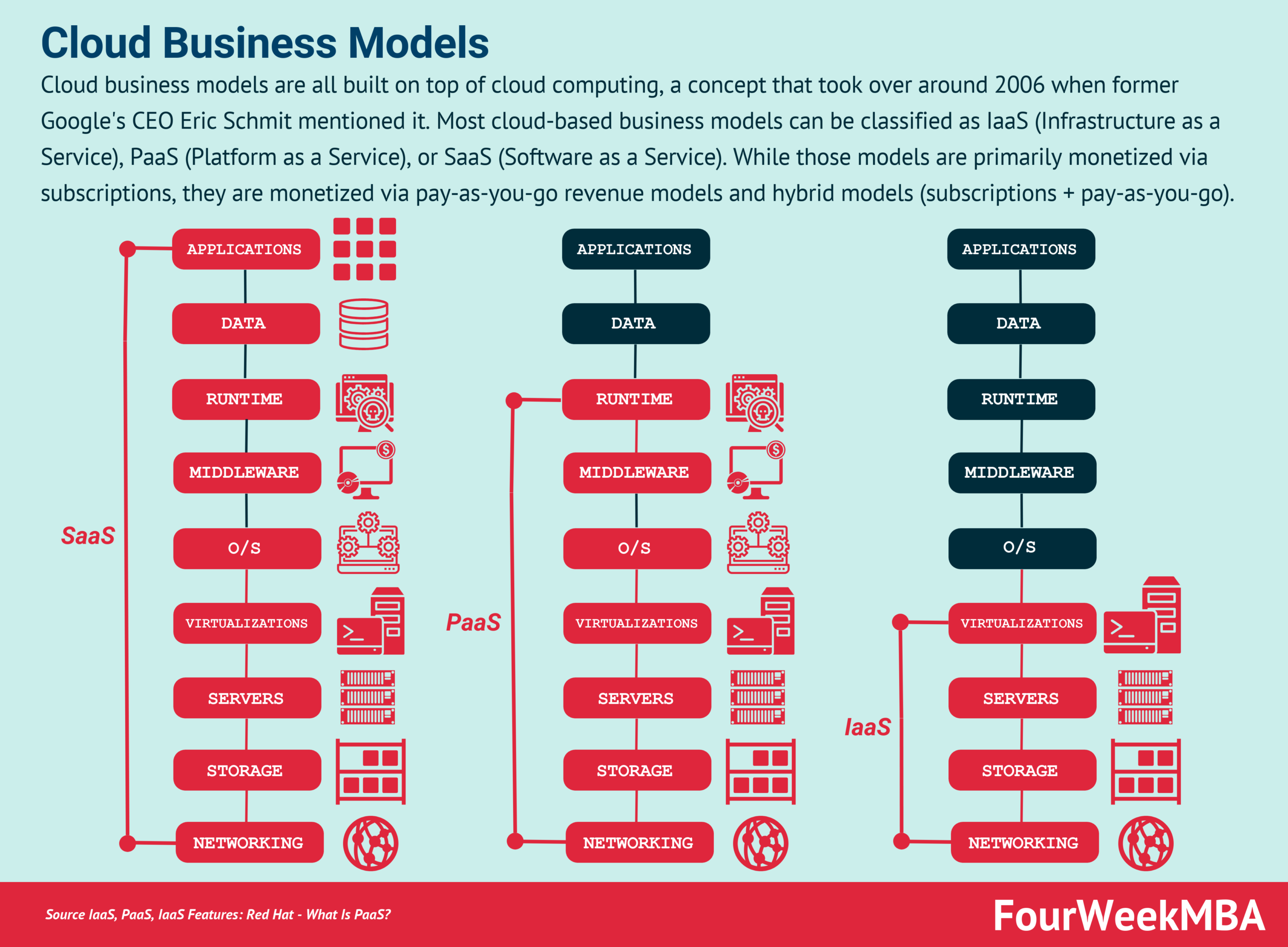
In an era where technology is at the heart of our everyday operations, the Software as a Service (SaaS) model has drastically changed the dynamics of business. Whether you’re a budding entrepreneur or a seasoned professional, understanding SaaS infrastructure planning is crucial for your business strategy. This article aims to delve deep into SaaS infrastructure planning from a business plan perspective, unraveling the essentials that ensure a successful SaaS venture.
What is SaaS Infrastructure Planning?
Before diving into the intricacies of SaaS infrastructure planning, it’s essential to clarify what SaaS is. SaaS provides users with access to software applications over the internet, eliminating the need for physical installations and extensive hardware management. Companies leverage SaaS to deliver services that are scalable, cost-effective, and easily accessible.
SaaS infrastructure planning encompasses all technical elements required to launch, support, and scale a SaaS product. This includes hardware components, networking resources, data storage solutions, and application frameworks. It ultimately shapes the user experience, performance, security, and operational efficiency.
Why is SaaS Infrastructure Planning Important?
-
Scalability: A well-planned SaaS infrastructure accommodates growth without significant system overhauls, allowing businesses to easily scale their operations.
-
Cost Management: Proper infrastructure planning minimizes operational costs, enabling the efficient allocation of resources while maximizing ROI.
-
Performance Optimization: Infrastructure impacts application performance directly, with effective planning ensuring fast loading times and seamless user experiences.
-
Security: The digital landscape is fraught with threats; a robust infrastructure secures sensitive user data and complies with industry regulations.
-
Disaster Recovery and Business Continuity: Infrastructure planning lays the foundation for disaster recovery protocols, ensuring that your business can swiftly recover from unforeseen disruptions.
Elements of SaaS Infrastructure Planning
SaaS infrastructure is a multifaceted system that relies on several interconnected components. Below, we break down these critical elements:
1. Hardware and Server Requirements
When planning for a SaaS infrastructure, start with hardware considerations:
-
Cloud vs. On-Premise Hosting: Evaluate whether to utilize a cloud service (e.g., AWS, Google Cloud) or maintain on-premise servers. Cloud solutions are typically more scalable and cost-effective but may raise compliance issues depending on data sensitivity.
-
Server Specifications: Assess your application’s resource requirements. CPU, memory, storage, and network bandwidth are central to determining the suitable server specifications.
-
Load Balancers: Incorporate load balancers to distribute network traffic evenly across servers, preventing congestion and ensuring that user requests are processed efficiently.
2. Data Storage Solutions
Data storage is a fundamental consideration in SaaS infrastructure planning:
-
Database Systems: Choose between SQL (e.g., MySQL, PostgreSQL) and NoSQL (e.g., MongoDB) databases based on the application’s data requirements.
-
Backup Procedures: Establish automated backup protocols that secure user data. Regular backups ensure that data loss is minimized in any system failure.
-
Data Archiving and Retention Policies: Define how long to keep data and how to archive older information, balancing accessibility and storage costs.
3. Network Configuration
Network architecture plays a pivotal role in the performance and reliability of a SaaS solution:
-
Bandwidth Requirements: Forecast how much bandwidth your application will require and ensure that sufficient capacity is available for peak usage times.
-
Content Delivery Networks (CDNs): Employ CDNs to improve loading times by caching content across multiple locations, bringing it closer to users around the globe.
-
Firewall and Security Protocols: Implement firewalls and intrusion detection systems to safeguard against cyber threats.

- Overcome negative thought patterns, reduce stress, and live a worry-free life
- Overthinking is the biggest cause of unhappiness
- Don't get stuck in a never-ending thought loop
- Stay present and keep your mind off things that don't matter, and never will
- Break free of your self-imposed mental prison
4. Application Development Framework
The choice of application development framework affects both performance and functionality:
-
Programming Languages: Decide on languages that are optimal for your application’s development, like JavaScript, Python, or Ruby on Rails.
-
Microservices Architecture: Consider utilizing a microservices approach, allowing you to build and deploy independent services that interact seamlessly. This promotes agility and scalability.
-
API Management: Invest in APIs to facilitate integration with third parties and other software solutions, enhancing the usability of your SaaS product.
5. Compliance and Security Measures
Regulatory compliance is critical in planning SaaS infrastructure:
-
Data Protection Regulations: Understand and adhere to laws such as GDPR or HIPAA, depending on the industry and geographic reach.
-
Encryption: Utilize encryption techniques for data in transit and at rest to protect sensitive information from unauthorized access.
-
Access Controls: Implement strong identity and access management mechanisms to restrict unauthorized user actions.
Creating a Business Plan for SaaS Infrastructure
A solid business plan is integral to successful SaaS infrastructure planning. Below are essential components to include:
1. Executive Summary
Summarize your business model, product offerings, market analysis, and funding requirements in this crucial section. Make it clear why your SaaS product is unique and warrants attention.
2. Market Analysis
Conduct thorough research and analysis to identify target audiences, competitors, market trends, and growth opportunities. This analysis will provide insights into the strategic planning of your infrastructure.
3. Financial Projections
Detail the financial underpinning of infrastructure costs, including:
-
Initial Investment: Calculate hardware, software, and development costs.
-
Operating Costs: Estimate ongoing expenses related to data storage, bandwidth, support services, etc.
-
Revenue Projections: Offer realistic revenue forecasts through subscriptions, license fees, or pay-per-use models.
4. Technical Plan
Outline the technical architecture, detailing:
-
Infrastructure Layers: Describe the layered approach to your SaaS infrastructure—application, data, and network layers.
-
Development Roadmap: Provide a timeline for application releases, updates, and infrastructure scaling.
5. Marketing and Customer Acquisition Strategy
Define how you will reach and attract customers. This can include online marketing techniques, partnerships, and leveraging social media.
Common Pitfalls to Avoid
Several common pitfalls can derail effective SaaS infrastructure planning:
-
Underestimating Resources: Failing to account for required resources can lead to performance issues down the road.
-
Neglecting Security: Insufficient attention to security can result in data breaches, damaging business reputation and customer trust.
-
Ignoring Scalability: Failing to design for scalability can impede future growth and necessitate costly system overhauls later.
-
Lack of User-Centric Design: Focusing solely on technical aspects without taking user experiences into account can hurt overall satisfaction.
Conclusion
SaaS infrastructure planning is a complex yet rewarding endeavor that can significantly influence your business’s success. By adopting a detailed business plan perspective, you can navigate the intricacies of creating a robust, scalable, and secure SaaS solution.
As you embark on this journey, remember that continuous learning and adaptation are crucial. The tech landscape evolves rapidly—stay informed about best practices and emerging trends in SaaS infrastructure. With careful planning and execution, your SaaS venture can pave the way for lasting success in today’s digital economy.


