
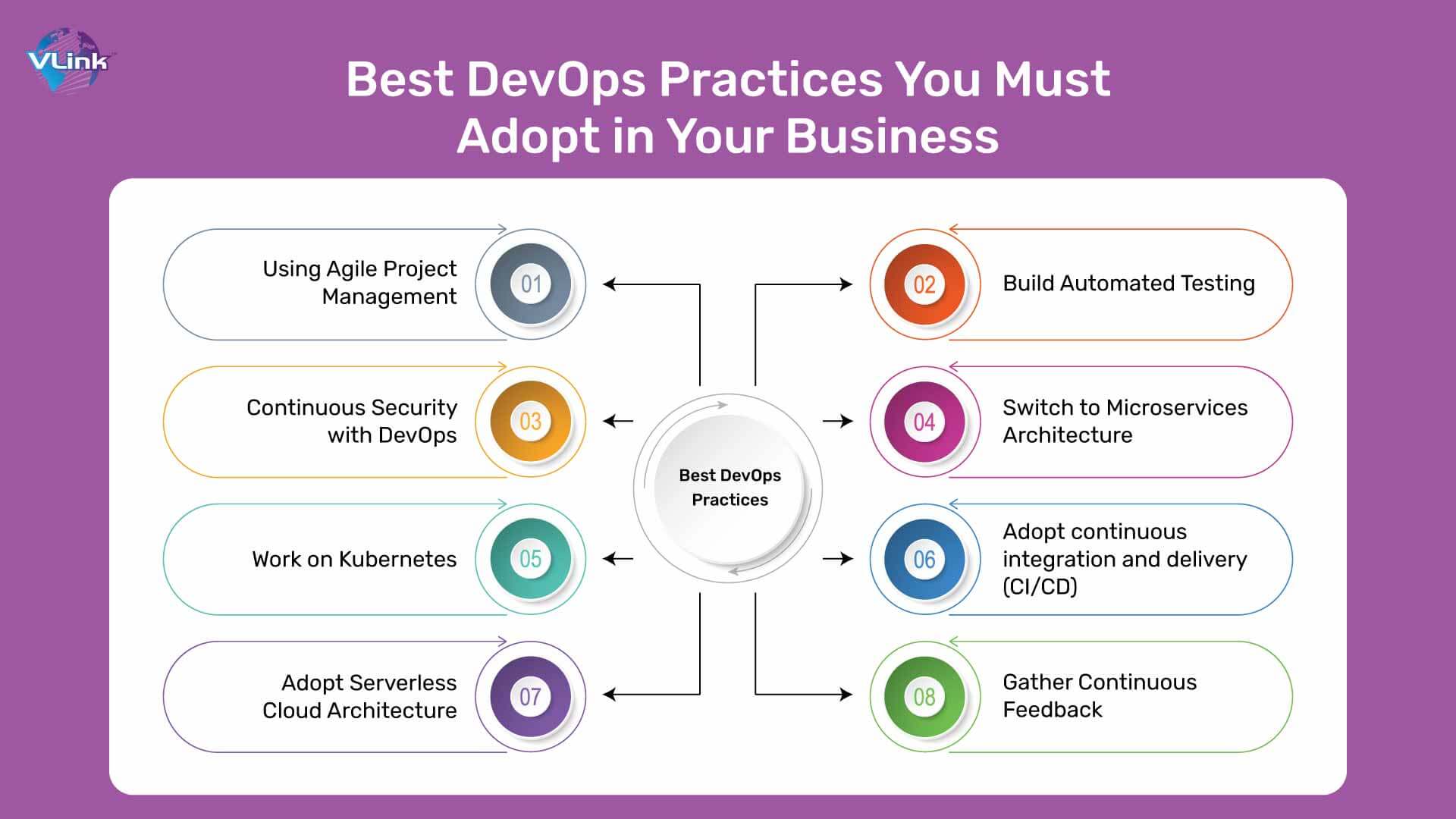
In the rapidly evolving world of Software as a Service (SaaS), businesses need to be agile, efficient, and responsive to the ever-changing demands of the market. As companies strive to deliver high-quality software with rapid iterations, the integration of DevOps practices can be a game-changer. But what does it mean to utilize DevOps, and how can it effectively streamline operations for a SaaS business? In this article, we will delve into the intricacies of DevOps principles and explore how they can significantly enhance your SaaS operations.
Understanding the Basics of DevOps
Before diving into the specifics of how DevOps can streamline SaaS operations, it’s vital to grasp what DevOps is all about. DevOps is a cultural and technical movement aimed at integrating the development (Dev) and operations (Ops) teams to improve collaboration, streamline processes, and increase the speed of delivering applications and services. The goal is simple: to foster a culture of continuous improvement and to automate as many processes as possible.
Key Principles of DevOps
-
Collaboration: Breaking down silos between development, IT operations, quality assurance, and other teams promotes a more harmonious working environment. Enhanced communication leads to a better understanding of shared goals and challenges.
-
Automation: Automating repetitive tasks reduces the likelihood of human error and accelerates the development cycle. From automated testing to deployment pipelines, automation frees teams to focus on higher-value tasks.
-
Continuous Integration and Continuous Deployment (CI/CD): CI/CD pipelines ensure that code changes are automatically tested and deployed. This minimizes disruptions and enables features and fixes to be delivered to users at a faster rate.
-
Monitoring and Feedback: Continuous monitoring of applications in production allows teams to identify and address issues before they impact end users. Feedback loops from monitoring help guide future development.
The SaaS Landscape: Demand for Agility
SaaS businesses are in a unique position where they must constantly innovate to meet customer needs while maintaining system stability. With such high demands, leveraging DevOps principles can help create a more resilient and agile operation. Here are several ways that adopting DevOps can streamline SaaS business operations.
1. Enhanced Release Management
In the SaaS model, updates and new features are expected frequently. However, managing releases can become cumbersome without a well-defined strategy. DevOps promotes automated deployment processes through CI/CD, allowing teams to release updates quickly and efficiently.
By adopting CI/CD, SaaS businesses can automate their software delivery process, which greatly reduces the time-to-market for new features. This not only enhances customer satisfaction as they receive timely improvements, but it also gives businesses a competitive edge in a crowded market.
Actionable Tip: Implement CI/CD tools such as Jenkins, CircleCI, or GitLab CI to streamline your release management. Ensure that every code change goes through automated tests to maintain software quality.
2. Improved Collaboration and Communication
One of the primary hurdles in SaaS operations is the disconnect between teams. Traditional silos often lead to miscommunication and bottlenecks in workflows. DevOps emphasizes collaboration across all departments involved in the software lifecycle.
By fostering a culture of collaboration, team members can share knowledge and insights more freely, leading to improved problem-solving and decision-making. This culture promotes a sense of ownership and accountability among team members, enhancing the overall performance of the organization.
Actionable Tip: Implement communication tools like Slack or Microsoft Teams to facilitate real-time discussions. Regular stand-up meetings can also promote alignment and address any roadblocks.
3. Scalability and Flexibility
As your SaaS business grows, so does the complexity of your operations. DevOps practices enable businesses to scale effectively by automating processes and utilizing cloud infrastructure. With tools like containerization (e.g., Docker and Kubernetes), application deployments can be scaled up or down as needed, ensuring optimal performance under varying loads.
Furthermore, the flexibility of DevOps allows teams to pivot quickly in response to market changes, customer feedback, or technical challenges. This adaptability is critical in the fast-paced SaaS environment.

- Overcome negative thought patterns, reduce stress, and live a worry-free life
- Overthinking is the biggest cause of unhappiness
- Don't get stuck in a never-ending thought loop
- Stay present and keep your mind off things that don't matter, and never will
- Break free of your self-imposed mental prison
Actionable Tip: Consider adopting container orchestration platforms like Kubernetes to manage your scaling needs. This can lead to more efficient resource utilization and simplify the deployment process across various environments.
4. Quality Assurance and Faster Time to Market
Quality assurance (QA) is crucial in maintaining user satisfaction and minimizing churn in SaaS applications. DevOps incorporates QA into the development process through practices like Test-Driven Development (TDD) and Behavior-Driven Development (BDD), ensuring that quality checks occur at every stage.
Continuous testing allows for faster identification of bugs and issues, leading to more reliable software releases. Furthermore, the ability to push high-quality updates quickly enhances customer trust and loyalty.
Actionable Tip: Invest in automated testing frameworks such as Selenium or Cypress that facilitate running tests for every build. This integration can significantly reduce the time spent on manual testing.
5. Proactive Monitoring and Incident Response
In a SaaS business, keeping an eye on application performance is paramount. DevOps practices encompass comprehensive monitoring and logging mechanisms, allowing teams to identify potential problems swiftly. With tools like Prometheus, ELK (Elasticsearch, Logstash, Kibana) stack, or New Relic, businesses can gain insights into application performance, user behavior, and system health.
Proactive monitoring enables teams to fix issues before they impact users, ultimately leading to a better user experience. Responding to incidents becomes more streamlined, as teams can leverage predefined runbooks developed through collaborative efforts.
Actionable Tip: Establish a monitoring strategy that tracks key performance indicators (KPIs) relevant to your SaaS application. Regularly review your monitoring dashboards to ensure that your application performs optimally.
6. Data-Driven Decision Making
Data plays a pivotal role in making informed decisions for your SaaS business. DevOps encourages teams to collect and analyze data continuously, providing insights into user behavior, application performance, and overall business operations.
By integrating analytics tools like Google Analytics, Mixpanel, or Amplitude, organizations can understand user interactions with their software, allowing them to refine features and improve user experience. Understanding this data leads to adjustments that enhance engagement and reduce churn rates.
Actionable Tip: Regularly conduct data review sessions where cross-functional teams can analyze data trends and identify growth opportunities or potential problem areas.
7. Enhancing Security Posture
In today’s digital world, security is of utmost importance. Interestingly, the integration of DevOps practices, often referred to as DevSecOps, addresses this spectrum of security concerns. By automating security checks within the CI/CD pipeline, teams can identify vulnerabilities earlier in the development cycle.
Including security measures from the onset not only saves time and resources but also fosters a stronger security culture within the organization. This proactive approach ensures compliance with regulations and ultimately leads to greater customer trust.
Actionable Tip: Implement static and dynamic application security testing (SAST/DAST) tools during the development phase to catch vulnerabilities early. Educate your teams on security best practices continuously.
Conclusion: Embracing DevOps for SaaS Success
In summary, adopting DevOps practices can be transformative for SaaS businesses looking to optimize their operations. By enhancing collaboration, automating processes, monitoring performance, and ensuring quality, organizations can respond to customer needs swiftly and efficiently.
As the demands of the SaaS environment continue to evolve, integrating DevOps into your workflow is not just beneficial—it’s becoming essential for sustained growth and success in a competitive marketplace. By prioritizing these practices, your SaaS business can streamline operations, minimize downtime, and focus on delivering exceptional user experiences.
Embrace the movement toward greater agility and collaboration. Implement DevOps principles today and watch your SaaS business thrive in the digital age.


