
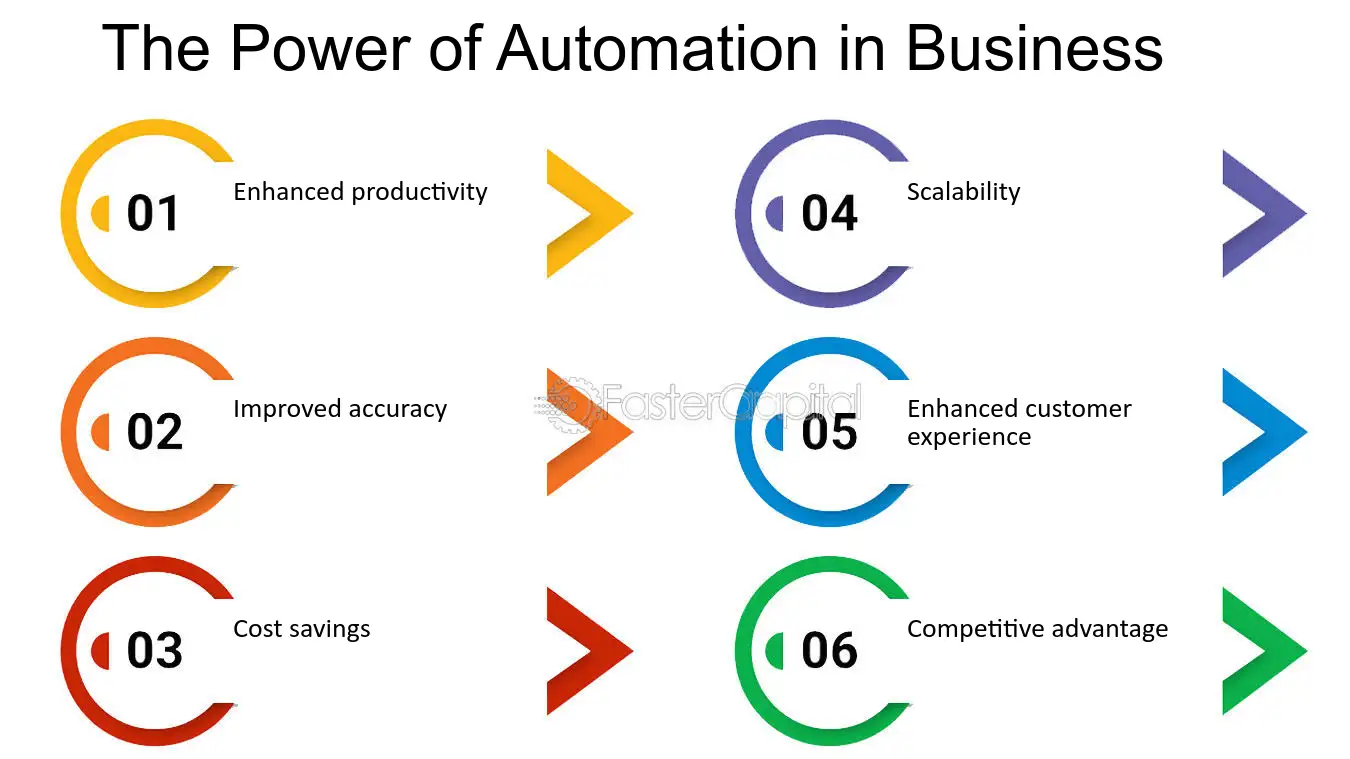
In the ever-evolving landscape of business technology, Software as a Service (SaaS) has emerged as a game-changer. As more organizations pivot to cloud-based solutions, the role of automation in SaaS business planning becomes increasingly critical. How can automation enhance the efficacy of business strategies for SaaS companies? In this article, we will explore the fundamental ways in which automation influences SaaS business planning, equipping entrepreneurs and business leaders with actionable insights for growth and efficiency.
Understanding SaaS and Its Business Planning Challenges
Before diving into automation, let’s clarify what SaaS is. Essentially, SaaS refers to software applications delivered over the internet, bypassing the need for traditional software installation and maintenance. SaaS has democratized access to powerful software tools for businesses of all sizes, leading to increased competitiveness.
However, with great innovation comes significant challenges. Planning for a SaaS business involves intricate layers, including software development, customer acquisition, retention strategies, and pricing models. Key challenges in SaaS business planning include:
-
Rapid Market Changes: The technology industry evolves quickly, making it vital for SaaS businesses to adapt their strategies proactively.
-
Customer Expectations: Today’s consumers expect seamless experiences. Balancing feature development with user satisfaction can create tension in planning.
-
Resource Allocation: SaaS businesses often operate with leaner teams, making efficient use of resources critical to achieving strategic objectives.
-
Data Management: As businesses scale, handling customer data ethically and effectively becomes a major challenge.
These factors collectively underscore the need for smart, automated solutions that can bolster SaaS business planning.
What Is Automation in SaaS Business Planning?
Automation in the context of SaaS refers to the use of technology to perform tasks that would typically require human intervention. This could involve everything from automating repetitive tasks (like data entry or report generation) to utilizing sophisticated algorithms for predictive analytics and decision-making.
So why is automation pivotal in SaaS business planning? Here are several ways automation can enhance the planning process:
1. Enhanced Data Collection and Analysis
Automation allows SaaS businesses to capture and analyze data in real-time. Instead of relying on outdated methods for gathering information, automated tools can streamline this process. For instance, data analytics platforms can collect customer behavior insights, sales statistics, and user feedback, synthesizing them into actionable insights that inform strategic planning.
Benefits of Enhanced Data Collection:
- Real-Time Insight: Businesses can adjust strategies promptly based on data trends.
- Accurate Forecasting: Predictive analytics can forecast sales and cash flow much more accurately, helping business leaders make informed decisions.
- Segmentation: Automated data collection tools enable deeper insights into customer segments, thereby allowing for hyper-targeted marketing strategies.
2. Efficient Resource Management
In SaaS businesses, resources may be limited, especially for startups. Automation helps optimize resource allocation, ensuring that teams focus on high-impact tasks rather than repetitive ones. Tools like project management software can automatically assign tasks based on team members’ workloads, streamlining operations and driving productivity.
Resource Management Benefits:
- Task Prioritization: Automated systems can prioritize tasks based on urgency, improving overall efficiency.
- Workload Balancing: Resource management tools ensure an even distribution of workloads, minimizing burnout and fostering communication.
- Cost Optimization: Automation reduces labor costs by minimizing manual processes.
3. Improved Customer Relations
Excellent customer service is essential in the SaaS space, where customer loyalty can make or break a business. Automation enables personalized communication at scale. Tools like chatbots provide immediate responses to customer inquiries, allowing human agents to focus on more complex issues.

- Overcome negative thought patterns, reduce stress, and live a worry-free life
- Overthinking is the biggest cause of unhappiness
- Don't get stuck in a never-ending thought loop
- Stay present and keep your mind off things that don't matter, and never will
- Break free of your self-imposed mental prison
Customer Relation Advantages:
- 24/7 Support: Automated systems can provide around-the-clock assistance, improving customer satisfaction.
- Proactive Engagement: Automated marketing tools can send personalized emails or messages based on customer behavior, leading to higher engagement rates.
- Feedback Loops: Automated surveys and feedback forms can help gauge customer satisfaction and pinpoint areas for improvement.
4. Scalability and Flexibility
SaaS businesses often experience unpredictable growth. Automation solutions are essential for scalability. They allow organizations to support increased demand without a corresponding increase in operational complexity. When new features are rolled out or more customers join, automated systems can adapt without major overhauls to existing processes.
Scalability Benefits:
- Easy Adaptation: As businesses grow, automated tools can adjust workflows to accommodate new customers without sacrificing service quality.
- Automatic Updates: With automation, businesses can implement updates or changes across platforms without manual input.
- Scalable Customer Onboarding: Automation tools simplify the onboarding process for new customers, ensuring a consistent experience.
5. Forecasting and Predictive Analytics
Financial forecasting is integral to SaaS business planning. Automated forecasting tools leverage historical data to predict future performance, which helps business leaders make informed strategic decisions. Instead of relying solely on spreadsheets and manual calculations, businesses can utilize scenario planning to anticipate various market outcomes.
Advantages of Predictive Analytics:
- Informed Decision-Making: Automating forecasting reduces human error, leading to more accurate projections.
- Resource Allocation: Predictive analytics can help in target setting for sales teams, allocating resources where they’re most likely to yield results.
- Risk Mitigation: Forecasting allows businesses to identify potential risks and develop contingency plans.
6. Compliance and Risk Management
SaaS businesses handle sensitive customer data, making compliance a significant aspect of planning. Automation tools can assist in identifying compliance requirements, automating reporting, and documenting compliance processes. This minimizes the risk of non-compliance and associated fines.
Compliance Benefits:
- Automated Audits: Compliance tools simplify documentation and reporting, making audits less daunting.
- Alerts and Notifications: Automated systems can send alerts for necessary updates regarding compliance regulations.
- Data Security: Automated monitoring can help identify potential security threats before they become significant issues.
Wrapping Up: The Future of SaaS Business Planning with Automation
Embracing automation is essential for SaaS businesses looking to optimize their operations and scale sustainably. As technology continues to advance, businesses that leverage automation in their planning processes will not only find themselves ahead of the curve but also positioned for long-term success.
In summary, the role of automation in SaaS business planning cannot be overstated. By enhancing data collection, improving customer relationships, enabling efficient resource management, and facilitating compliance, automation paves the way for enhanced strategic planning. As the landscape of SaaS continues to evolve, staying ahead means integrating innovative automated solutions into your business strategy.
So, how prepared is your SaaS business to capitalize on these automation opportunities? As they say, the best time to start was yesterday; the second-best time is now. Embrace automation, refine your business planning, and watch your SaaS venture thrive.
Remember, innovation isn’t just about adopting new technologies; it’s about transforming your approach to business challenges and seizing opportunities for growth. In the realm of SaaS, automation is not merely an option; it’s a necessity that shapes the future of business planning.


