
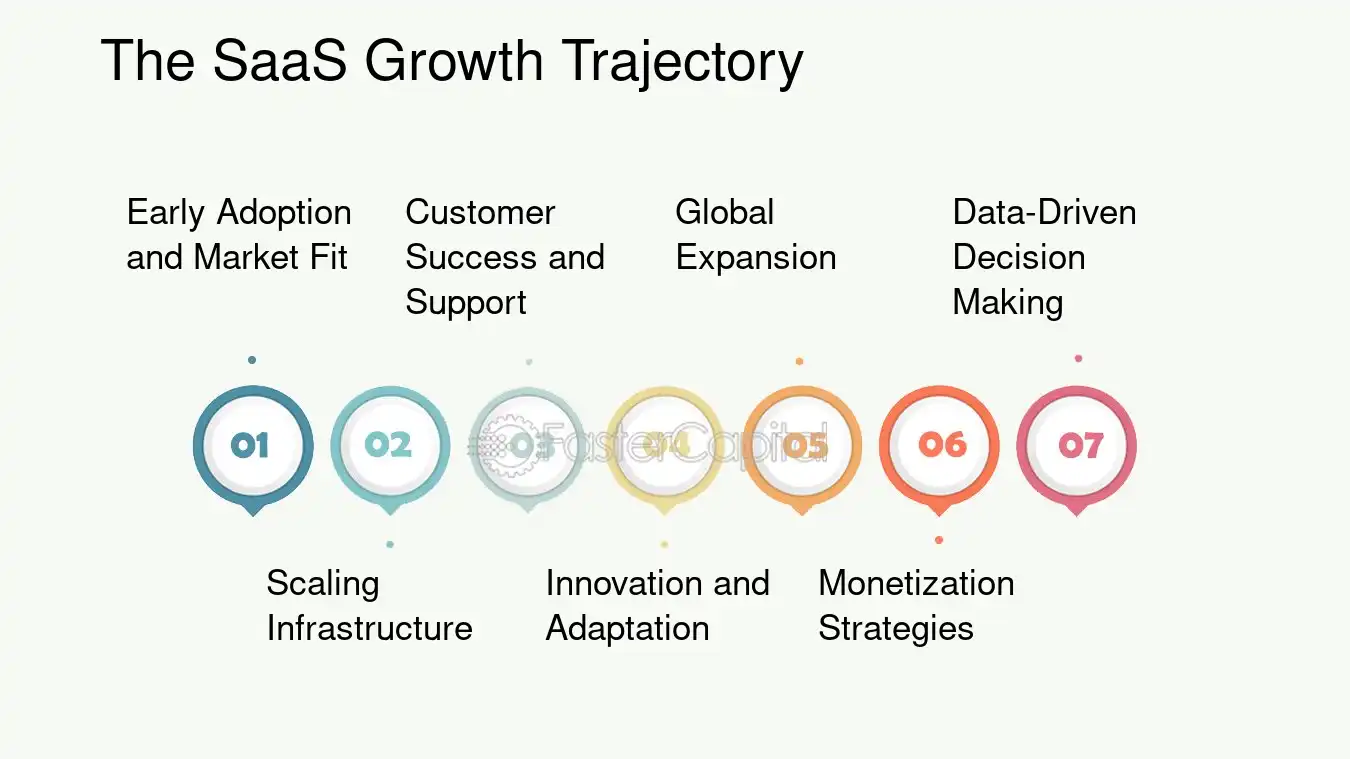
In the ever-evolving landscape of technology and business, Software as a Service (SaaS) has emerged as a robust model for delivering software solutions. However, scalability challenges can hinder the growth potential of SaaS businesses. This article aims to shed light on how to address these challenges effectively, ensuring your SaaS business plan is not just a document but a roadmap to success.
Understanding Scalability in SaaS
Before diving into solutions, it’s essential to comprehend what scalability means in the context of SaaS. Scalability refers to the capability of a system, network, or process to handle a growing amount of work or its potential to accommodate growth. In a SaaS business, scalability involves the ability to accommodate more users, data, and transactions with minimal disruption or additional costs. A scalable SaaS business can expand operations smoothly while maintaining service quality.
Identifying Scalability Challenges
Recognizing the potential scalability challenges within your SaaS business plan is the first step toward developing solutions. Here are some common issues:
-
Infrastructure Limitations: Many SaaS companies start with a small infrastructure that might not support rapid user growth.
-
Technical Debt: As businesses evolve, previous design decisions might create a buildup of technical debt, making future enhancements challenging.
-
Data Management: Handling increased data volumes can lead to performance bottlenecks, affecting user experience.
-
Customer Support: Rapid growth can overwhelm customer support teams, leading to dissatisfaction.
-
Cost Management: Scaling often comes with increased costs, which can be hard to manage without a sound financial strategy.
Developing a Scalable SaaS Business Plan
Now that we’ve outlined the challenges, let’s focus on solutions. Here’s how to address scalability challenges in your SaaS business plan effectively:
1. Invest in a Robust Cloud Infrastructure
Utilizing a scalable cloud service is crucial for your SaaS business. Consider reputable providers like AWS, Google Cloud, or Microsoft Azure. These platforms offer flexible resources that can grow with your user base. Utilize auto-scaling features to adjust server capacity according to real-time demand, ensuring your service remains operational, even during peak times.
2. Implement Microservices Architecture
Transitioning to a microservices architecture can significantly enhance your system’s scalability. This approach allows you to develop, deploy, and scale individual components of your application independently. By decoupling different services, you can optimize resources based on specific feature requirements, ultimately improving performance and reliability.
3. Address Technical Debt Early
Technical debt can severely restrict scalability. Conduct regular audits of your codebase to identify areas needing improvement. Refactor code and implement best practices for software development to keep your architecture clean and efficient. Establishing a culture that prioritizes development hygiene will pay dividends as your user base grows.
4. Optimize Data Storage and Management
As your SaaS application grows, so will the amount of data you need to manage. Consider implementing efficient data storage options such as databases that support horizontal scaling, like NoSQL databases. Use data partitioning and sharding strategies to distribute workload evenly and enhance performance. Moreover, implement data caching techniques to speed up access to frequently used information.

- Overcome negative thought patterns, reduce stress, and live a worry-free life
- Overthinking is the biggest cause of unhappiness
- Don't get stuck in a never-ending thought loop
- Stay present and keep your mind off things that don't matter, and never will
- Break free of your self-imposed mental prison
5. Design for User Experience
A seamless user experience is paramount for retaining subscribers. Implement performance monitoring tools to gauge how your application performs under various load conditions. Regularly collect user feedback and perform usability testing to identify potential pain points in your application. Prioritizing user experience will reduce churn and support scalability.
6. Automate Customer Support
With an increasing number of users, manual customer support can become overwhelming. Consider investing in chatbots and AI-driven customer service tools to handle routine inquiries. Create a comprehensive knowledge base or help center to empower users to find solutions independently. Automation not only improves efficiency but also enhances user satisfaction.
7. Monitor Financial Metrics Closely
Scaling a SaaS business often involves significant expenses. Track key financial metrics like Customer Acquisition Cost (CAC) and Lifetime Value (LTV) to ensure sustainability. Creating forecasts based on different scaling scenarios will help you make informed financial decisions. Allocating resources wisely will support long-term growth without jeopardizing your financial integrity.
8. Focus on Customer Retention And Engagement
Acquiring new customers is essential, but retaining existing users is equally important. Develop a customer retention strategy that includes regular communication, personalized content, and loyalty programs. Use Customer Relationship Management (CRM) tools to track user interactions and tailor your marketing efforts.
9. Plan for International Expansion
If you are considering expanding beyond your local market, ensure that your SaaS business model is ready for international users. This includes localization of your software, understanding cultural differences, and complying with local regulations. Building a global infrastructure will pave the way for a smooth entry into new markets.
10. Leverage Data Analytics
Data analytics can provide invaluable insights into user behavior and system performance, allowing you to make data-driven decisions. Use analytics tools to monitor user engagement, feature usage, and application performance. This understanding will help you optimize your offerings and address any potential scalability concerns before they become tangible problems.
11. Build a Strong Team Culture
Lastly, never underestimate the importance of a cohesive team. As your SaaS business grows, ensure you foster a collaborative and innovative company culture. Empower your team to embrace scalability challenges while encouraging knowledge sharing and continuous learning. A motivated and well-aligned team is better equipped to tackle obstacles and recommend innovative solutions.
Conclusion
Addressing scalability challenges in your SaaS business plan is not just about creating a roadmap for growth; it’s about fostering a sustainable and resilient infrastructure that supports your company’s vision. With thoughtful strategic planning, the right technology investments, and a focus on user experience, you can effectively manage these challenges while unlocking your business’s immense potential.
In the SaaS sector, scalability isn’t just an option—it’s a necessity. Embrace the principles outlined in this guide to ensure that as you grow, your business remains agile, efficient, and capable of meeting user demands. The path may be fraught with challenges, but with the right strategies, your SaaS business can thrive in today’s competitive landscape.


