
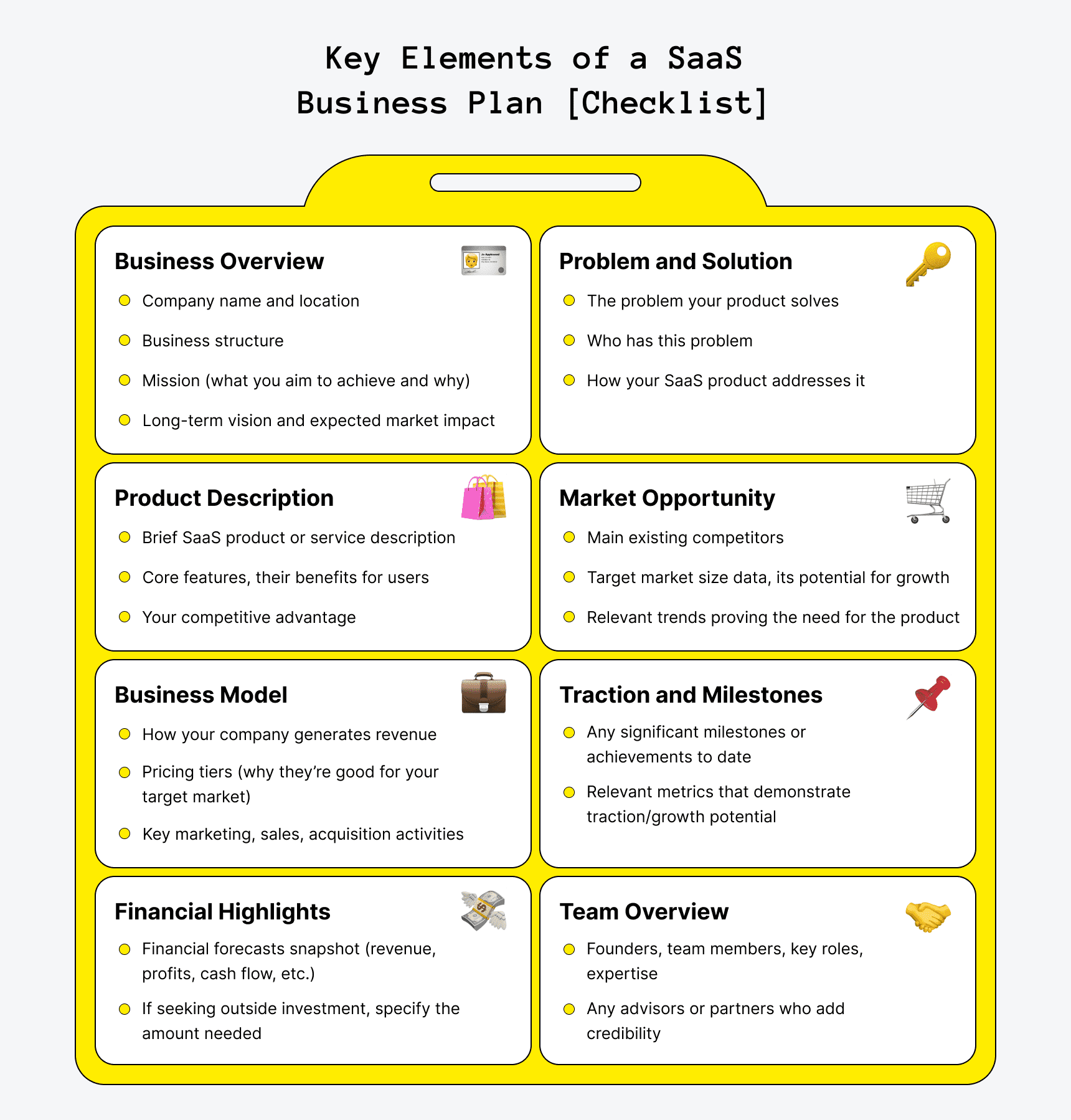
In an era where technology is transforming the way we do business, Software as a Service (SaaS) stands out as a booming sector filled with immense potential. Whether you’re launching your startup or looking to fund the next big SaaS idea, crafting a comprehensive business plan is critical—especially if you plan to pursue crowdfunding. A meticulous business plan not only serves as your roadmap but also is essential for convincing potential backers that your SaaS project is worth the investment.
But how do you create a SaaS business plan that resonates with your audience, stands out from the crowd, and ultimately boosts your chances for crowdfunding success? In this article, we’ll break down the essential components of a SaaS business plan, tips for engaging potential investors, and strategies to ensure your crowdfunding campaign is effective.
Understanding the SaaS Landscape
Before diving into the specifics of your business plan, it’s important to understand the SaaS landscape and the inherent characteristics that define successful SaaS business models.
What is SaaS?
SaaS is a cloud-based service where users access software applications over the internet. These applications are hosted on servers and typically provided through a subscription model, allowing businesses to benefit from the latest software without costly upfront investments in infrastructure.
Key Characteristics of a Successful SaaS Business
-
Scalable: SaaS businesses can easily scale their offerings to accommodate growing customer bases without needing significant resources.
-
Recurring Revenue: The subscription model allows for a steady stream of income, which can aid in forecasting and planning.
-
Low Customer Acquisition Cost (CAC): Effective marketing and user-friendly platforms can help reduce CAC, making customer acquisition more efficient.
Why a Strong Business Plan is Essential for Crowdfunding
A well-structured business plan serves multiple purposes:
-
Guidance: It outlines your vision, mission, and strategies while helping you navigate the complexities of launching a new venture.
-
Proof of Viability: For potential investors, a comprehensive business plan demonstrates your knowledge of the market and your capability as a founder, significantly influencing their investment decision.
-
Crowdfunding Appeal: Your business plan is often one of the first documents potential backers will see. A clear and engaging proposal can set the tone for their perception of your overall project.
Components of a Successful SaaS Business Plan
Let’s explore the essential components of a SaaS business plan tailored for crowdfunding.
1. Executive Summary
Start with a compelling executive summary that provides an overview of your business. This should encapsulate your mission, product offering, target market, and business model. Ideally, this section should entice potential investors to read on.
Tips:
- Keep it concise (about one page).
- Highlight what sets your SaaS product apart from competitors.
- Use engaging language to hook the reader.
2. Company Description
Provide detailed information about your company. This section should cover:
- Company Overview: The history of your venture and its founding team.
- Vision and Mission: Short and long-term goals that express what you seek to achieve.
- Legal Structure: Whether you’re a sole proprietorship, partnership, LLC, or corporation.
3. Market Analysis
Showcase your understanding of the market landscape with thorough research and data.
- Industry Overview: Discuss the growth potential in the SaaS industry and how your product fits into it.
- Target Market: Identify your ideal customer personas, their demographics, and buying behavior.
- Competitive Analysis: Examine key competitors and their offerings, alongside your SWOT analysis—strengths, weaknesses, opportunities, and threats.
4. Product or Service Description
This section should provide an in-depth look at your SaaS application.
- Features and Benefits: Outline the key features of your product and explain the benefits they provide to potential customers.
- Development Roadmap: Provide insights into your product development stages and future updates.

- Overcome negative thought patterns, reduce stress, and live a worry-free life
- Overthinking is the biggest cause of unhappiness
- Don't get stuck in a never-ending thought loop
- Stay present and keep your mind off things that don't matter, and never will
- Break free of your self-imposed mental prison
5. Marketing and Sales Strategy
How you plan to attract and retain customers is crucial for the success of your crowdfunding campaign.
- Marketing Strategy: Detail your plan for acquiring customers. Will it be through content marketing, social media, paid ads, or email marketing?
- Sales Strategy: Describe how you will convert leads into paying customers. This can include pricing models, sales funnels, and customer onboarding strategies.
6. Management Team
Investors want to know who is behind the business. This section should highlight your team’s qualifications and experience.
- Founders and Key Personnel: Describe the backgrounds of the key team members.
- Roles and Responsibilities: Clearly outline each member’s roles within the organization.
7. Financial Projections
Investors are particularly interested in your financial aspect—a chance for them to assess the potential return on investment.
- Revenue Model: Explain how you will generate income. This can be through tiered subscriptions, annual plans, or freemium models.
- Projected Income Statement: Offer income projections for the next 3 to 5 years, including revenue, expenses, and profits.
- Break-even Analysis: Show the point at which your company will become profitable.
8. Funding Requirements
This section should clearly articulate much money you need and how you intend to use it.
- Funding Amount: Specify the total amount you’re raising through crowdfunding.
- Use of Funds: Break down where the funds will be allocated: product development, marketing, hiring, and operation costs, etc.
Crafting Your Crowdfunding Campaign
Having a strong business plan is vital, but executing a successful crowdfunding campaign also requires planning and strategy. Here are some critical elements to consider:
1. Choose the Right Platform
Select a crowdfunding platform that aligns with your business goals and target audience. Options like Kickstarter and Indiegogo are popular for tech startups, but you can also explore niche platforms tailored specifically to SaaS projects.
2. Create a Compelling Pitch Video
A well-made pitch video can significantly increase your chances of funding. Ensure your video:
- Clearly explains the problem your SaaS product solves.
- Demonstrates your product in action.
- Includes a personal touch—introduce the team and share your passion.
3. Set Realistic Goals
Set achievable funding goals based on thorough analysis of your market and potential backers. Stretch goals can also motivate backers to support you beyond your initial target.
4. Build Community Engagement
Prior to launching your campaign, engage with potential backers through social media, email newsletters, and industry forums. Building a loyal following before your launch will help propel your campaign’s success.
5. Create Reward Tiers
Offer attractive rewards for backers to motivate them to fund your project. Common rewards include:
- Early access to your product.
- Exclusive features or discounts for backers.
- Merchandise or branded items.
6. Keep Backers Informed
During the campaign, maintain communication with your backers. Regular updates about your progress keep backers engaged and excited about your project.
Conclusion
In conclusion, writing a SaaS business plan for crowdfunding success involves careful planning, detailed research, and clear communication. By incorporating all these essential components—alongside an effective crowdfunding strategy—you can position your SaaS venture for the best chance of success.
Use your business plan as a living document, updating it as your project evolves and as you gather feedback from potential investors and your target market. Remember that crowdfunding is not just about raising money—it’s about building a community of supporters who believe in your vision. With the right approach, your SaaS idea can not only gain the funding it needs but also generate interest that propels your venture into the future. Happy planning!


